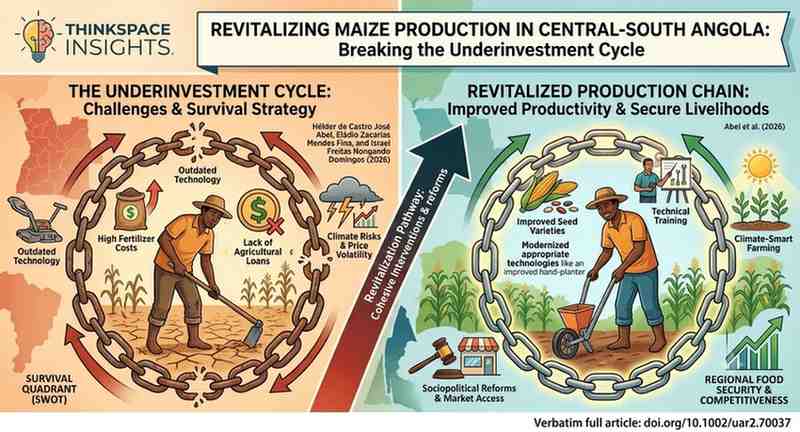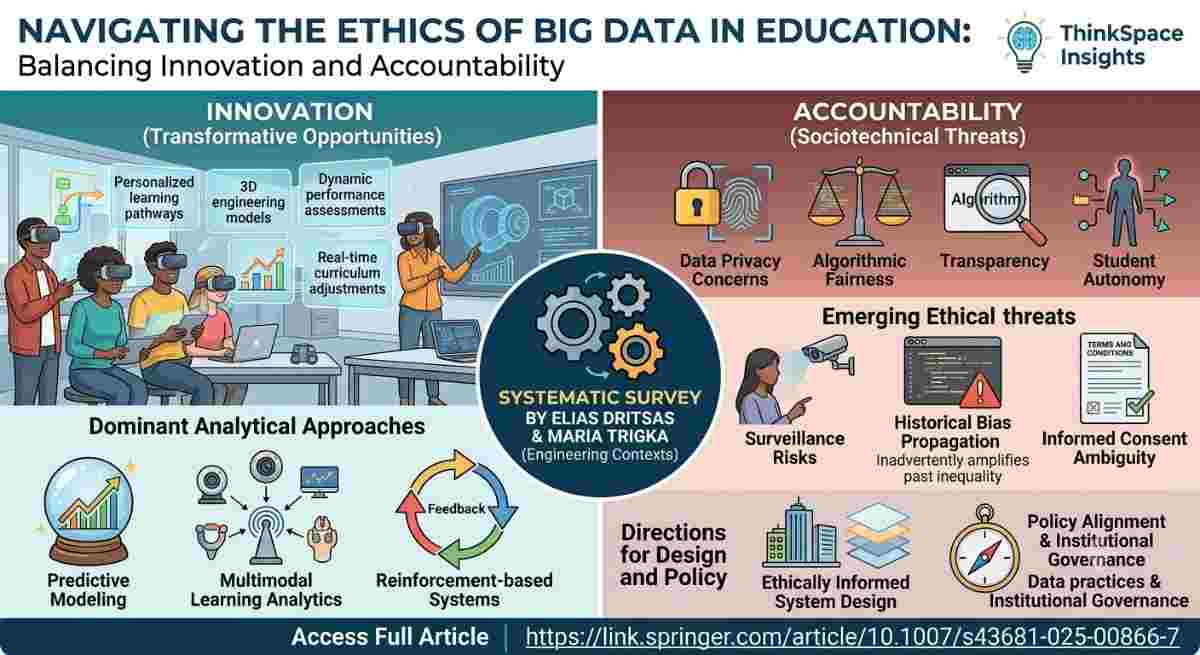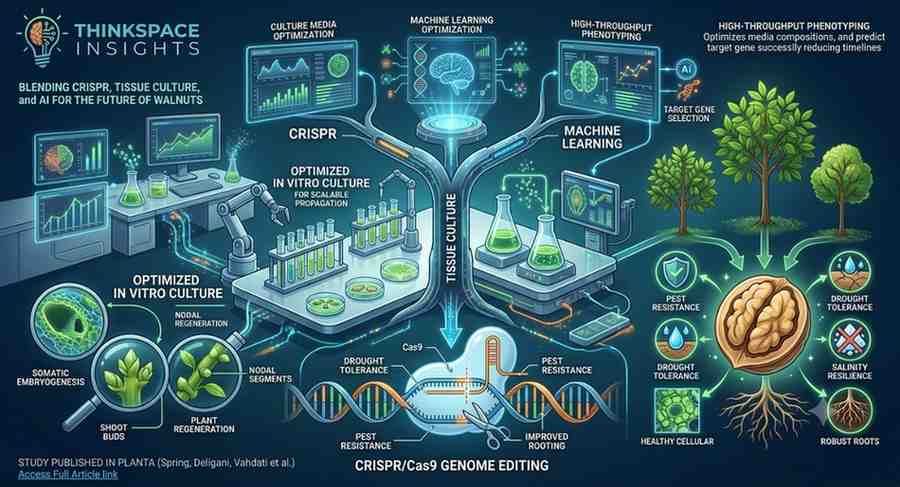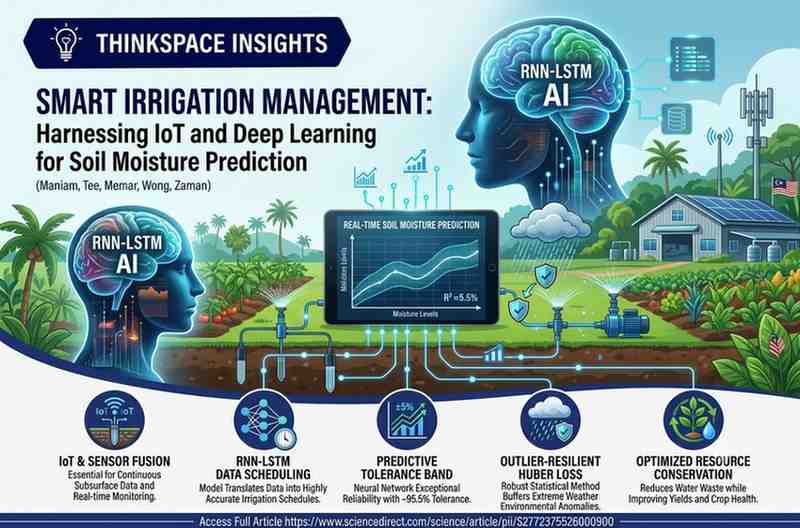


Global agricultural ecosystems are currently facing unprecedented challenges driven by climate change. These compounding issues include severe threats to food security, the rapid depletion of water resources, widening social inequality, and the profound disruption of rural livelihoods. Complicating matters further, agriculture is itself a major driver of the crisis, accounting for more than 25% of global greenhouse gas emissions according to the Intergovernmental Panel on Climate Change (IPCC).
Climate-Smart Agriculture (CSA) is rapidly emerging as a powerful, multi-faceted solution to this crisis. The strategy revolves around a crucial three-fold approach: scaling up sustainable agricultural production, actively mitigating greenhouse gas emissions, and significantly enhancing the climate resilience of vulnerable rural communities. By integrating critical sectors like food and agriculture, water and sanitation, and rural technology, CSA offers a comprehensive pathway forward.
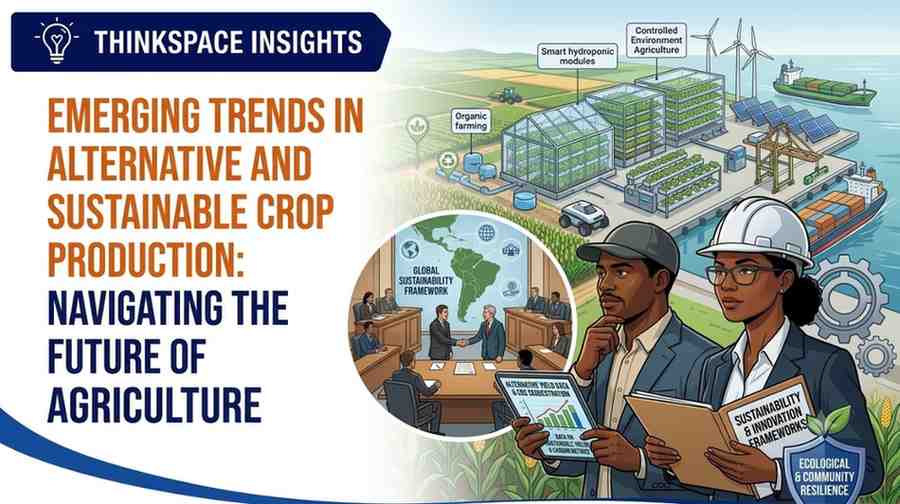
At a practical level, CSA strategies involve developing and deploying climate-resilient crop varieties alongside sustainable agricultural practices. Efficient water management is heavily prioritized through techniques such as rainwater harvesting and precision drip irrigation. A prominent example of this transition is India’s 2023 initiative to elevate awareness of climate-resilient millet crops, a move designed to satisfy domestic and global demand while simultaneously boosting both nutrition and farmers’ incomes.
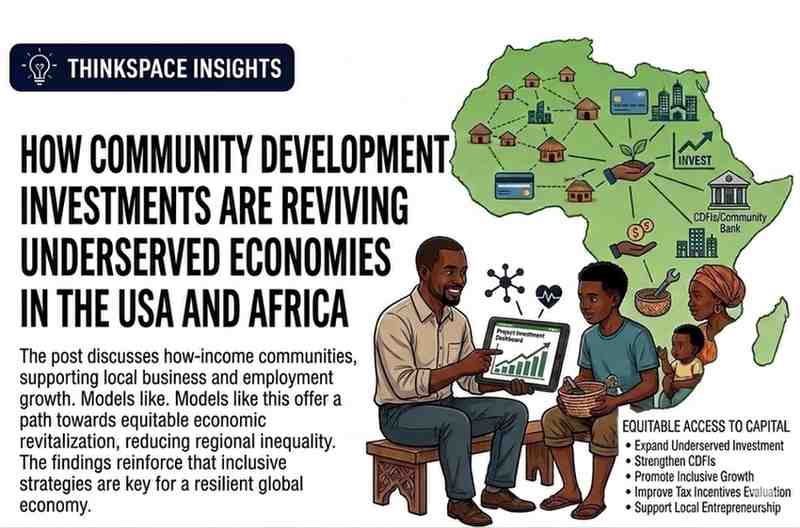
Crucially, the impact of CSA extends well beyond environmental and economic metrics; it actively targets social transformation. The framework promotes gender equity in rural areas through gender-sensitive strategies that guarantees women have equal access to agricultural resources and decision-making platforms.
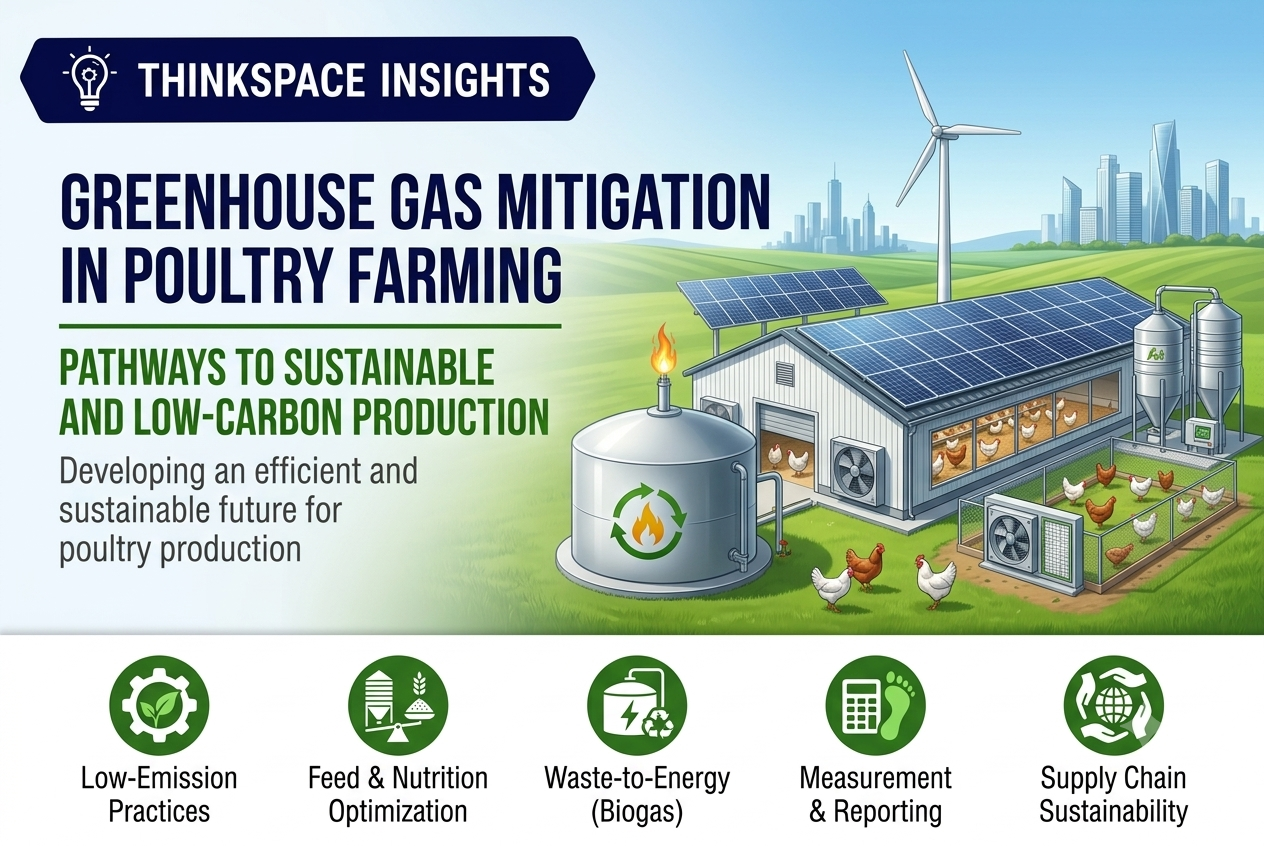
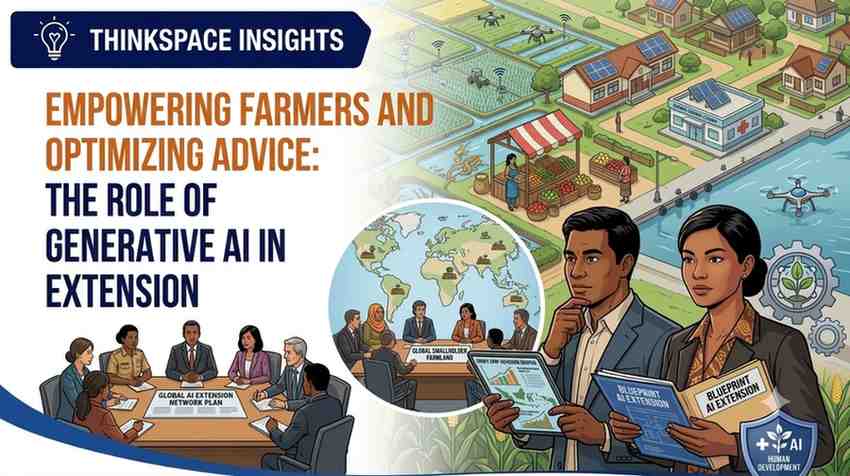
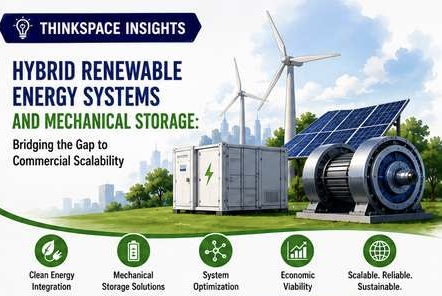
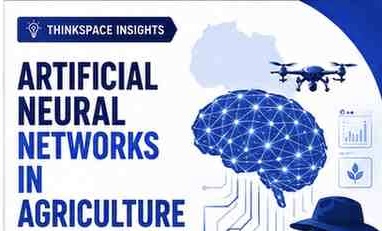
To support these environmental and social goals, modern CSA relies heavily on innovative technological integration. The deployment of renewable energy, digital farming tools, remote sensing, and artificial intelligence is fundamentally changing how agriculture operates, empowering farmers with real-time, essential information to adapt to shifting climate realities.
Ultimately, by synthesizing economic, social, and environmental components, Climate-Smart Agriculture presents a unified, holistic method for tackling the cascading difficulties of a warming world. It stands as a vital roadmap for promoting long-term sustainable agriculture and securing the future of rural communities.
ThinkSpace Insights
• Climate-Smart Agriculture provides a mandatory three-pillar framework for the future of farming: boosting sustainable yields, cutting greenhouse gas emissions, and building community resilience.
Access Full Article via https://link.springer.com/chapter/10.1007/978-981-97-6671-0_3?fromPaywallRec=false