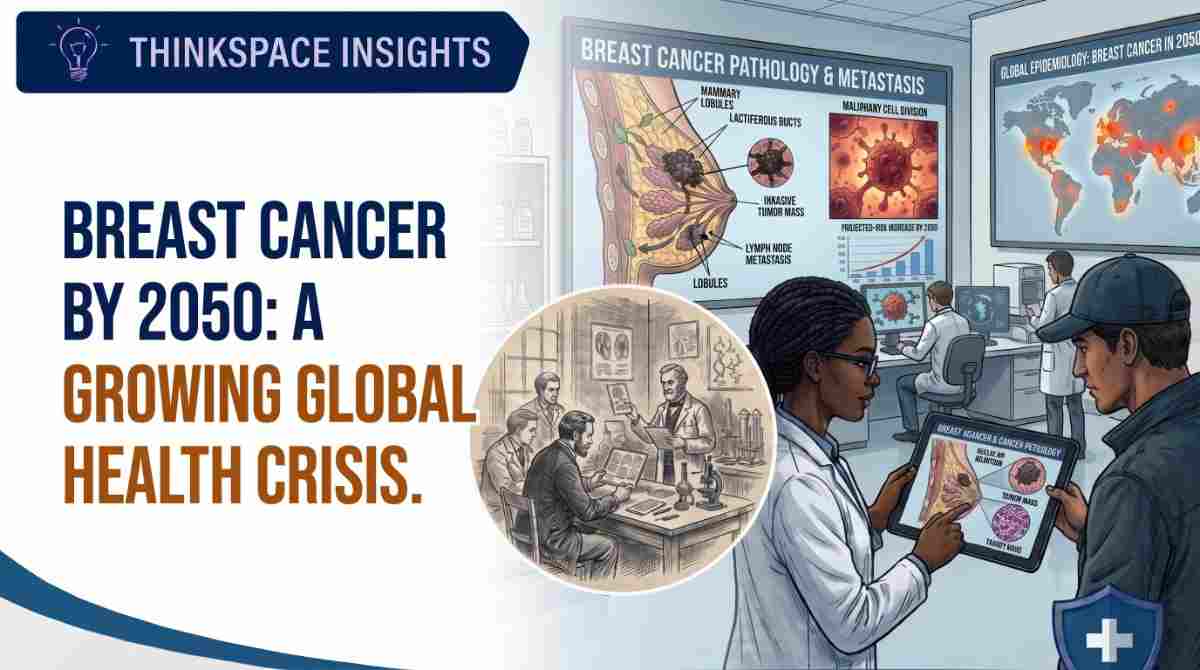
Cancer remains one of the most fatal public health crises globally, with 20 million new cases and 10 million associated deaths reported in 2022 alone. Addressing this immense burden relies heavily on early detection and accurate diagnosis, which have been proven to drastically enhance patient outcomes. Research indicates that early detection extends median overall survival to 38 months—compared to just 14 months for delayed diagnoses—while simultaneously improving quality of life scores and lowering severe treatment-related side effects. By enabling timely interventions and the possibility of less invasive treatments, early diagnosis is the absolute cornerstone of effective disease management.
The biological mechanisms driving cancer are highly complex, multigenic, and multifactorial. The disease initiates through the accumulation of molecular alterations in the genome, where genetic mutations in proto-oncogenes and tumor suppressor genes disrupt the balance between cell survival and death. This leads to unregulated cell proliferation. These genetic factors are frequently compounded by non-genetic triggers, such as epigenetic modifications, radiation exposure, chemical carcinogens, viruses, and lifestyle choices. As these transformed cells multiply, they can develop into benign masses or become highly dangerous malignant tumors capable of metastasizing through the bloodstream or lymphatic system to secondary organs like the liver, lungs, and brain.
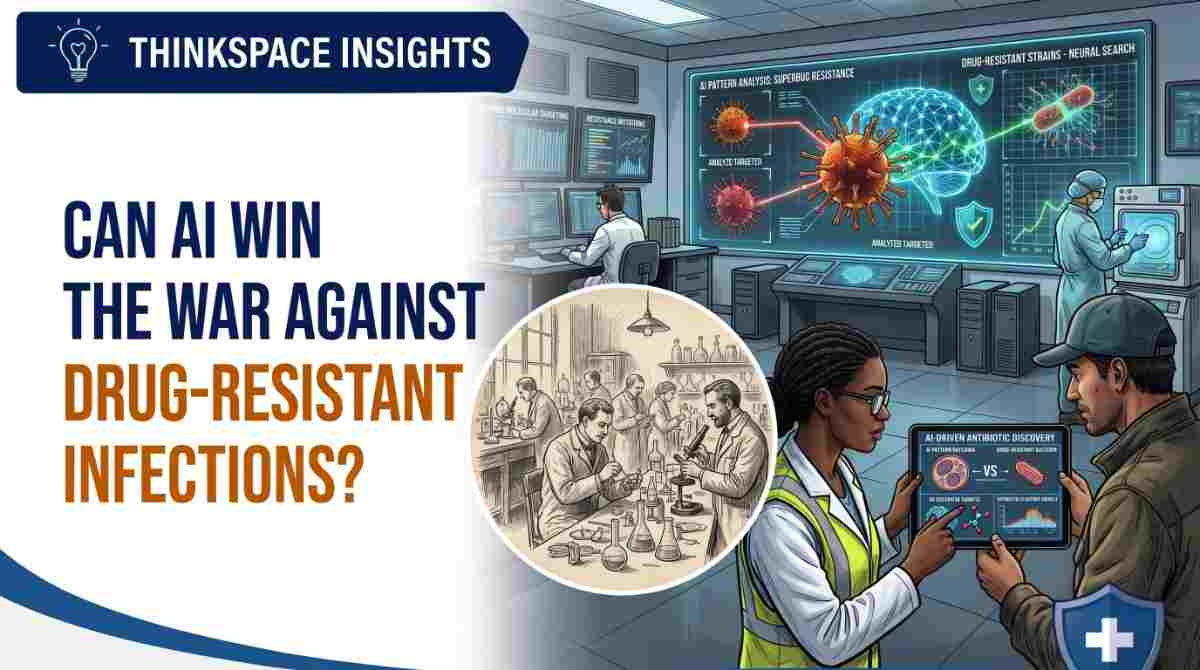
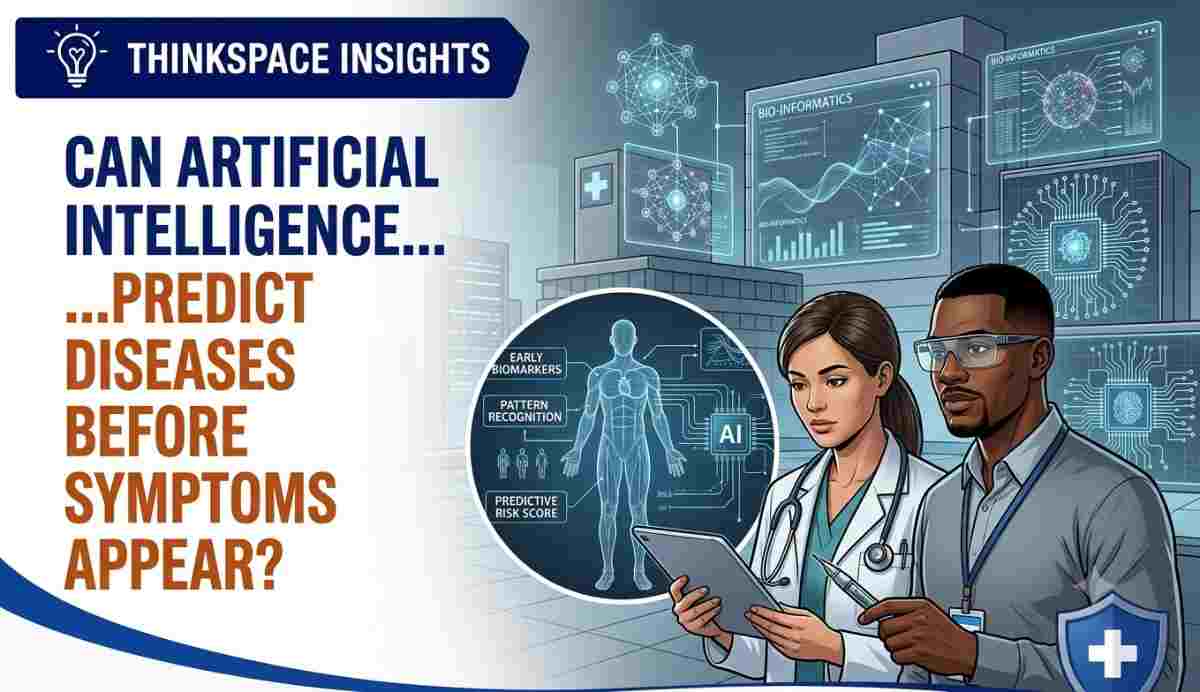
To combat this complex biological progression, a comprehensive review by Sameen Zafar and colleagues synthesizes recent advancements in emerging diagnostic biomarkers. The research highlights the massive clinical potential of circulating tumor DNA (ctDNA), exosomes, microRNAs (miRNAs), and immunotherapy biomarkers for identifying cancer in its earliest, most treatable stages. These non-invasive diagnostic tools are currently being transformed by cutting-edge technological innovations, including liquid biopsies, nanobiosensors, next-generation sequencing (NGS), and artificial intelligence, offering a profound shift in how clinicians track and diagnose oncological threats.
Despite these rapid technological leaps, significant barriers continue to prevent the universal, reliable application of these emerging tools. On a technical level, scientists face ongoing challenges regarding the low concentration and rapid fragmentation of ctDNA, the extreme complexity of isolating exosomes, and high inter-patient variability in miRNA expression. Furthermore, a glaring absence of clinical standardization heavily restricts their routine use. These issues are profoundly exacerbated in low-resource settings, where patients are 50% less likely to be diagnosed due to poor access to advanced procedures, ultimately resulting in a 75% higher rate of cancer-related deaths.
Unlocking the full potential of these emerging biomarkers will require a dedicated, multidisciplinary effort across the global medical community. The review emphasizes that future oncological research must aggressively prioritize overcoming the current technical hurdles and establishing globally standardized clinical protocols. Just as importantly, stakeholders must address systemic translational barriers to ensure that these vital, non-invasive diagnostic tools achieve true equity, becoming accessible to patients across all socioeconomic landscapes.
ThinkSpace Insights
- Massive global impact, as cancer stands as the second leading cause of mortality, responsible for 10 million deaths globally in 2022 alone.
- Early detection saves lives, extending median overall survival to 38 months and significantly lowering the rate of severe treatment-related side effects.
- A multifactorial disease, driven by a combination of genetic mutations and non-genetic factors like radiation, chemical carcinogens, and lifestyle choices.
- Non-invasive tools lead the future, with emerging biomarkers such as ctDNA, exosomes, and miRNAs offering highly promising methods for early-stage detection.
- Technical hurdles remain, requiring the medical field to overcome low biomarker concentrations, isolation complexities, and a lack of clinical standardization before widespread implementation.
- Severe geographic inequities, highlighting that patients in low-income countries face a 75% higher cancer-related death rate due to limited diagnostic accessibility and socioeconomic factors.
Access Full Article
https://link.springer.com/article/10.1186/s40001-025-03003-6