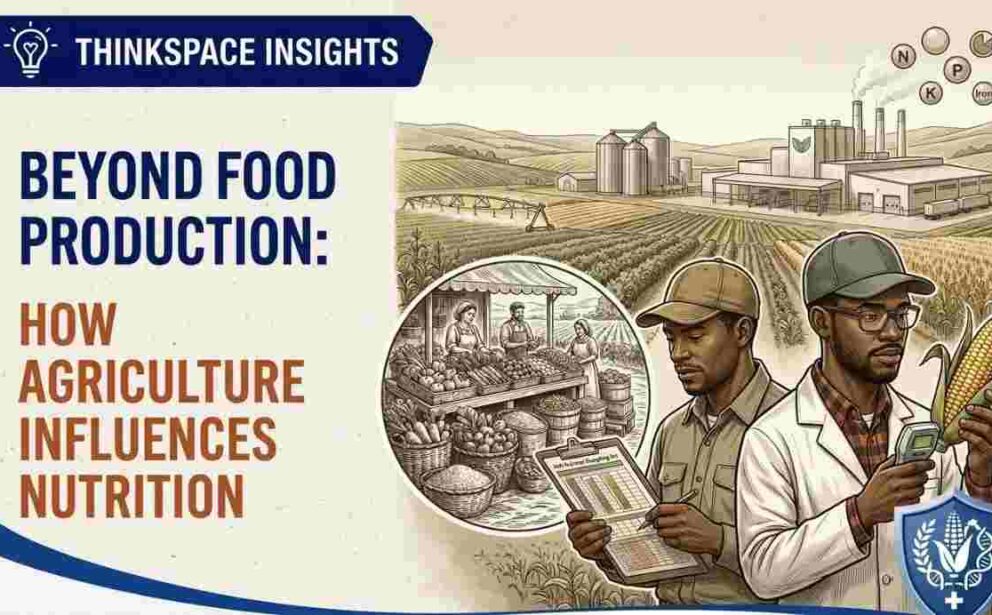
While advances in agricultural technology have significantly increased global food production, a critical gap remains in the actual quality of the modern diet. Merely producing a higher volume of calories does not solve the ongoing challenge of delivering nutrient-dense, affordable food to all communities. To address this systemic shortfall, researchers Gangadhar Dhulipala and Eugene J. M. Lewis recently published a review examining the vital interface between agricultural innovation and clinical nutrition. Their goal is to identify concrete pathways that provide better quality food at lower costs, making it fully accessible to vulnerable populations.
The analysis shines a spotlight on the severe regional disparities that currently dictate global health, specifically regarding micronutrient availability. Despite living in an era of agricultural abundance, vulnerable communities consistently face deeply entrenched systemic barriers that limit their access to nutrient-rich foods.
This disconnect means that while global markets may appear well-supplied, the foundational dietary needs of countless populations remain dangerously unmet. To bridge this divide, the researchers present a highly interdisciplinary framework designed to restructure how we think about food systems. This framework directly links technological advances in farming with the principles of sustainable nutrition. By aligning these traditionally separate fields, the proposed model aims to facilitate the affordable provision of nutrient-dense food on a much broader scale.
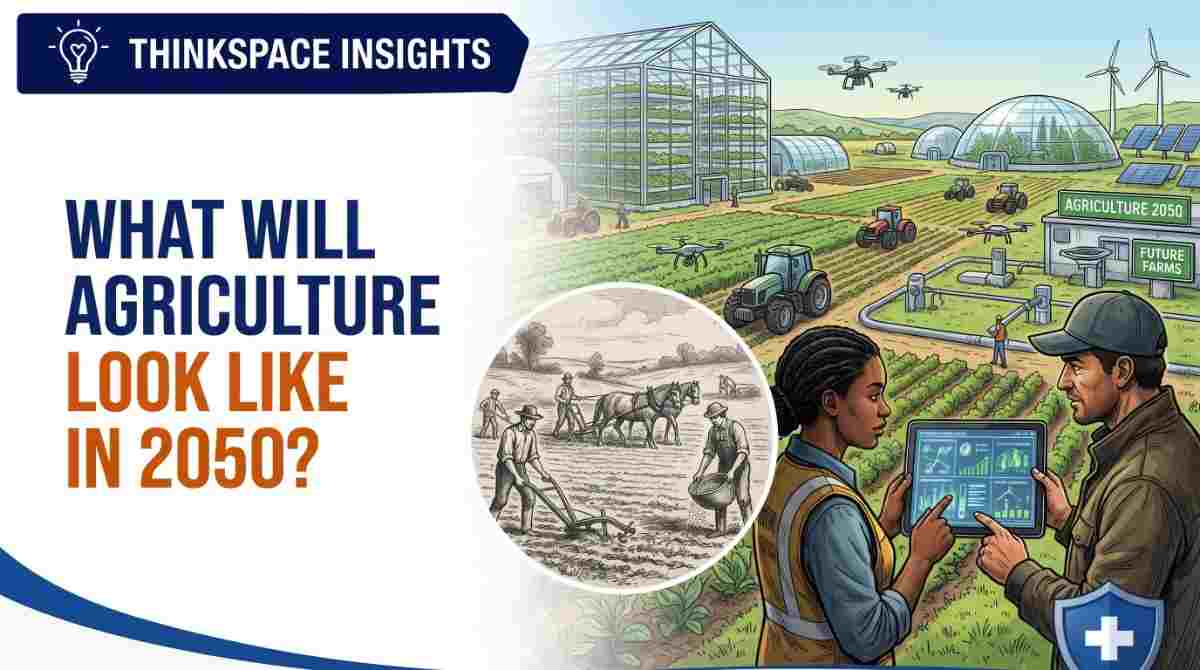
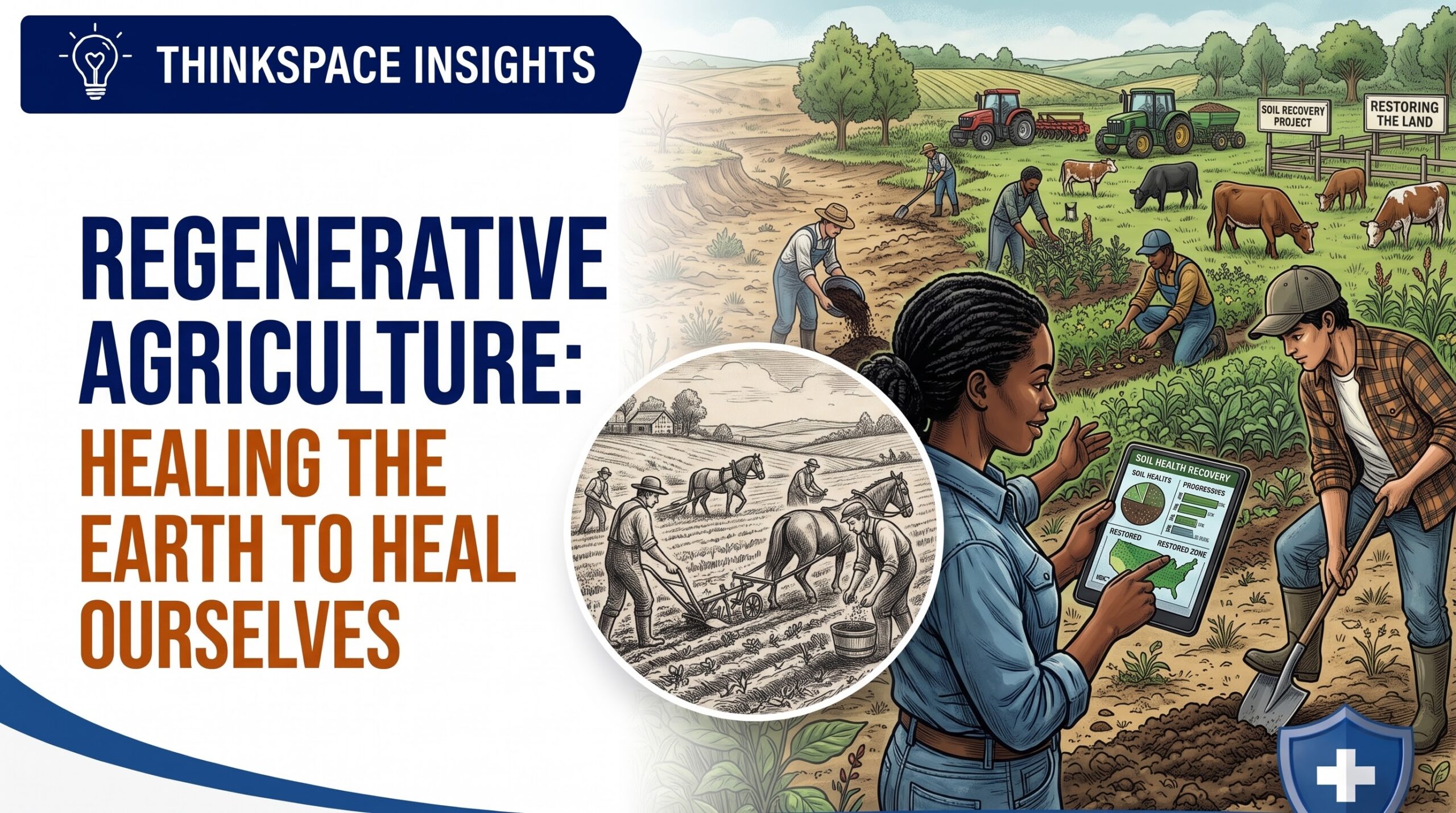
Looking toward the future, the study heavily emphasizes specific, targeted strategies to embed health directly into the supply chain. The researchers point to biofortification and precision farming as essential tools, noting that these agricultural methods must be specifically tailored to meet clinical nutrition needs. Rather than relying solely on post-harvest fortification or expensive dietary supplements, these advanced farming techniques ensure that crops are cultivated to deliver maximum nutritional benefit from the moment they are harvested.
Ultimately, solving modern dietary inequities requires breaking down the traditional silos that separate agriculture from healthcare. The review concludes that by actively combining agricultural science with clinical nutrition, stakeholders across both industries can effectively address deep-rooted health inequities. When these disciplines work in tandem, they possess the power to strengthen the dietary foundations for global health, ensuring that high-quality nutrition becomes a standard reality rather than an inaccessible luxury.
ThinkSpace Insights
- Volume does not equal nutrition, as advances in agricultural technology have boosted global food production but failed to deliver nutrient-dense, affordable food universally.
- Systemic barriers drive disparity, with the review highlighting severe regional imbalances in micronutrient availability that block vulnerable populations from accessing healthy diets.
- An interdisciplinary framework is required, one that directly links modern technological advances in farming with sustainable clinical nutrition.
- Farming must focus on clinical needs, utilizing future strategies like precision farming and biofortification tailored specifically to human health requirements.
- Cross-sector collaboration is the cure, proving that combining agricultural science with clinical nutrition is the most effective way to address dietary inequities and strengthen overall health.
Access Full Article