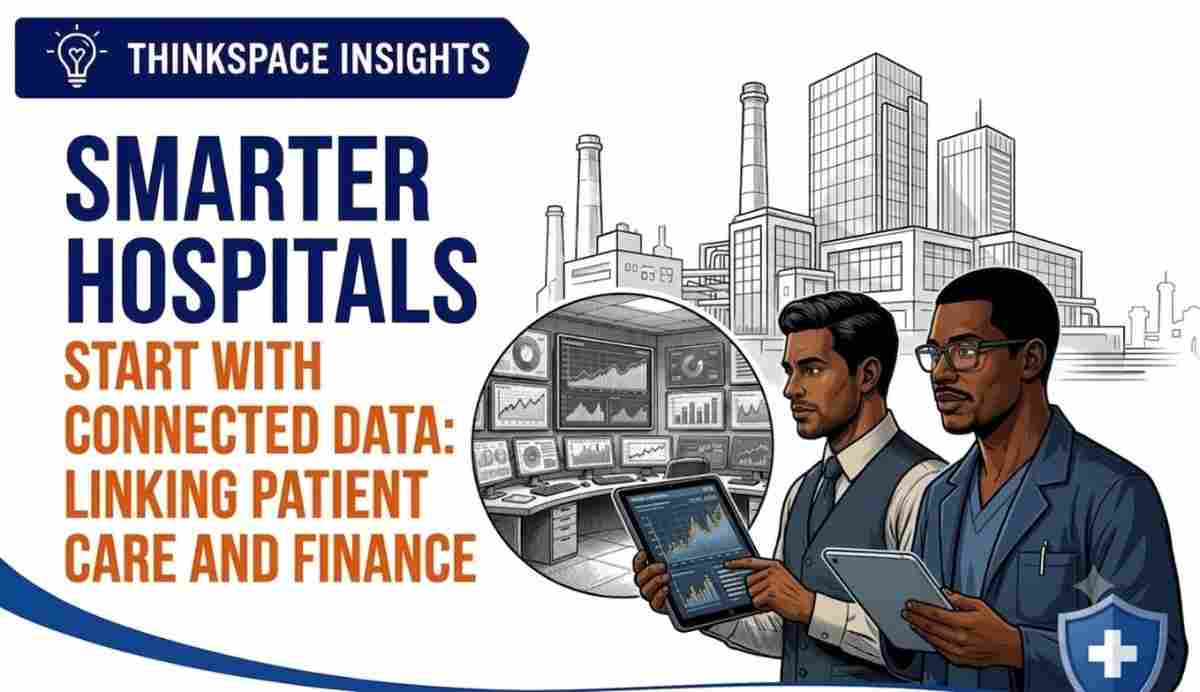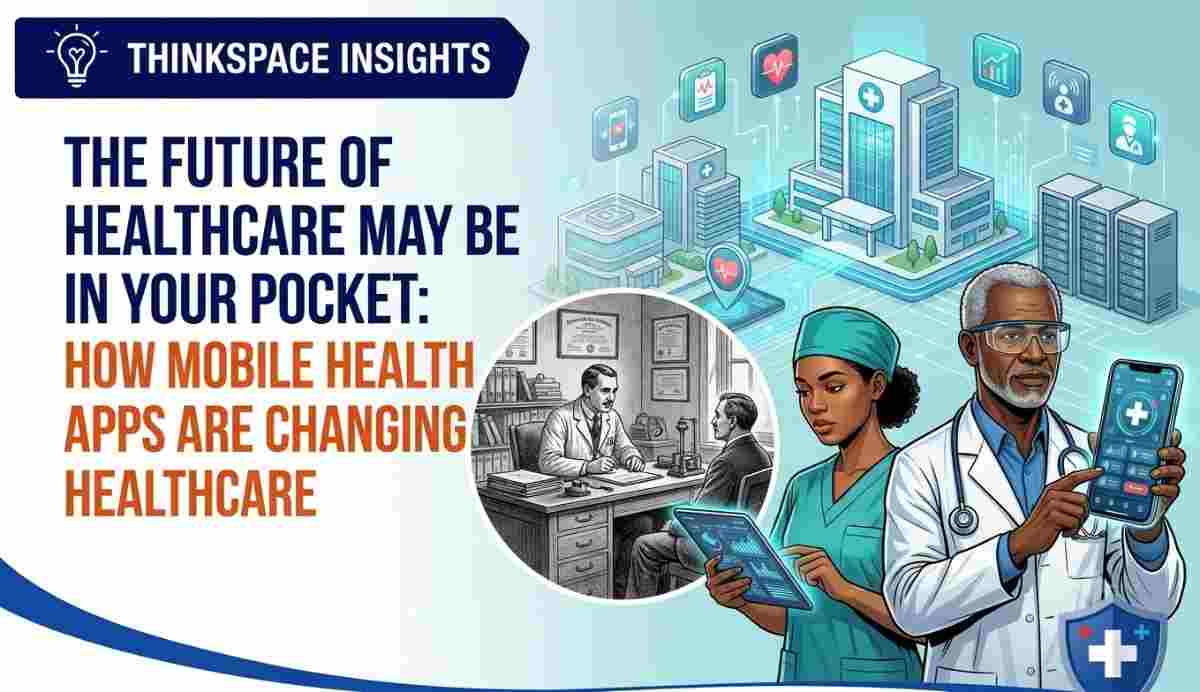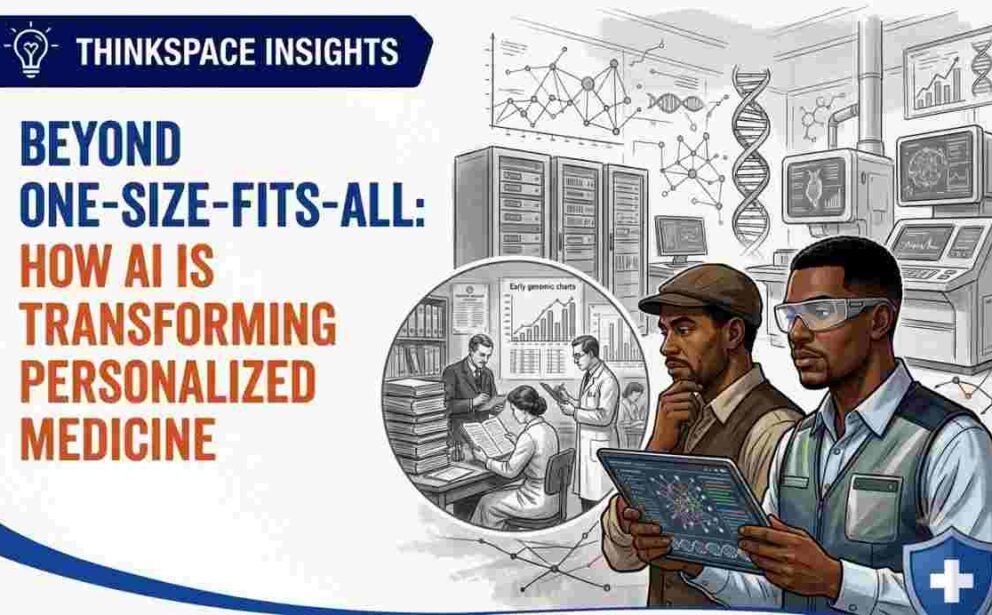
For generations, medicine has operated largely on a standardized approach, relying on treatments formulated for the average patient rather than the individual. However, the rapidly expanding network of connected medical devices is fundamentally shifting this paradigm. The integration of the Artificial Intelligence of Every Medical Thing (AIoEMT) represents a massive leap toward a truly individualized, data-driven healthcare system. By connecting every digital touchpoint in a patient’s medical journey, AIoEMT allows doctors to optimize diagnosis, customize treatments, and make precise, real-time therapeutic adjustments.
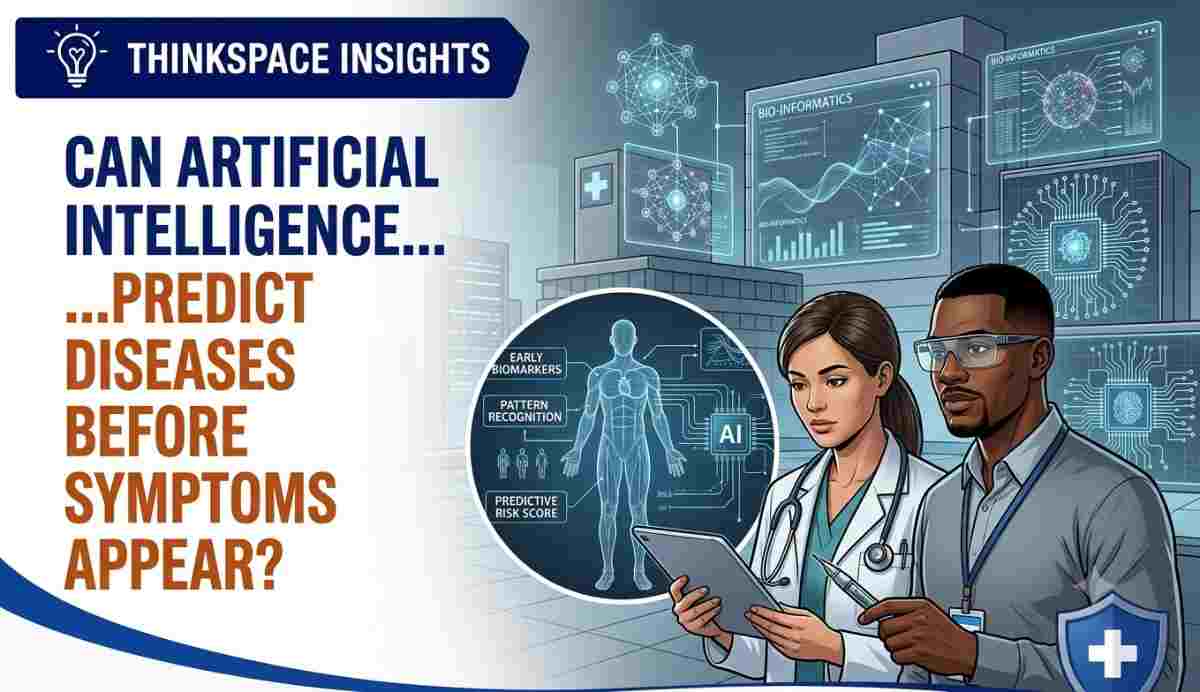
The power of AIoEMT lies in its ability to process information on a scale that would be impossible for human practitioners to calculate manually. Modern healthcare generates vast, heterogeneous datasets every single second, pulling from continuous wearable monitors, genomic sequencing, and complex electronic health records. By leveraging advanced artificial intelligence techniques—specifically machine learning, deep learning, and natural language processing—the AIoEMT framework seamlessly sifts through this immense digital noise. It uncovers subtle, critical patterns in the data that directly guide and enhance clinical decision-making on a patient-by-patient basis.
In clinical practice, this technology is already being deployed to tackle some of the most complex medical fields. Research highlights its transformative impact on personalized cancer therapies, where treatment dosages can be dynamically adjusted based on a patient’s real-time biological response. It is also driving adaptive cardiovascular care and dynamic diabetes management, actively tweaking care protocols as a patient’s daily vitals fluctuate. Furthermore, AI-guided pharmacogenomics ensures that medications are prescribed based on a patient’s unique genetic makeup, drastically reducing adverse reactions and improving overall drug efficacy.
Beyond standard patient monitoring, AIoEMT is introducing highly advanced, futuristic tools like digital twin simulations into everyday medicine. A digital twin acts as a highly accurate virtual model of a patient’s biology, allowing doctors to test different treatment protocols safely in a simulation before ever applying them in the real world. Combined with predictive models and continuous real-time monitoring, these advanced data analytics empower healthcare providers to accurately anticipate disease trajectories. This fundamentally shifts the medical model from reactive symptom management to proactive, evidence-based care.
Despite its incredible promise, the transition to a fully integrated AIoEMT ecosystem is not without significant systemic hurdles. Researchers point to major challenges regarding patient data privacy, deeply ingrained algorithmic bias, and the difficulty of system interoperability across different, isolated hospital networks. Fortunately, technological solutions like federated learning—which protects patient data by training AI locally—and explainable AI are being rapidly developed to address these exact concerns. As these technologies continue to mature, AIoEMT will stand as the critical enabler of modern precision medicine, permanently enhancing treatment accuracy, patient outcomes, and overall healthcare efficiency.
ThinkSpace Insights
- Standardized medicine is becoming obsolete, replaced by the Artificial Intelligence of Every Medical Thing (AIoEMT) to create individualized, data-driven healthcare systems.
- Advanced AI manages the data overload, utilizing machine learning, deep learning, and natural language processing to uncover actionable patterns in vast medical datasets.
- Clinical applications are highly dynamic, with AIoEMT driving real-time adjustments in cancer therapies, cardiovascular care, and diabetes management.
- Pharmacogenomics personalizes prescriptions, using AI to align drug treatments with a patient’s unique genetic makeup to prevent adverse reactions.
- Digital twins enable proactive care, allowing doctors to use predictive models and virtual simulations to anticipate disease trajectories before they worsen.
- Systemic challenges require technical solutions, highlighting the need for federated learning and explainable AI to overcome issues with data privacy, algorithmic bias, and hospital interoperability.
Access Full Article
Https://link.springer.com/article/10.1007/s42452-025-06625-x