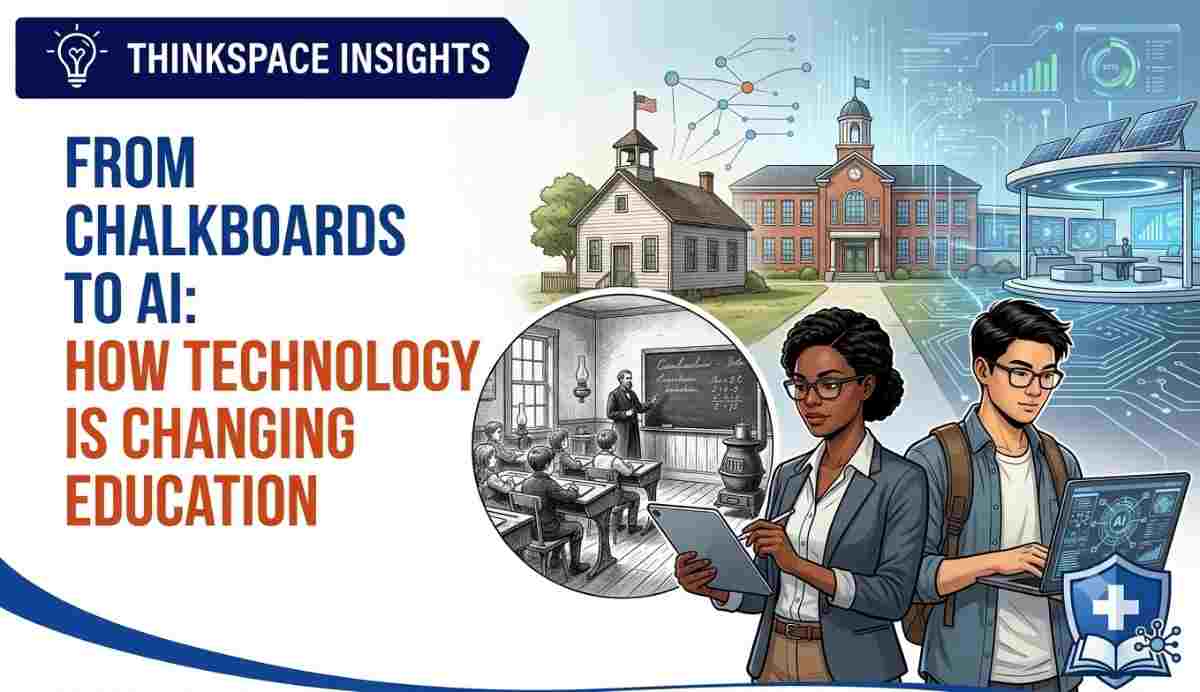
Education is currently undergoing a massive structural shift, driven by rapid technological advancements and rapidly evolving student needs. To keep pace with these changes, the transformation of pedagogical practices has become a central concern for educational institutions worldwide. At the heart of this transformation is the educator. Teacher professional development (TPD) is no longer merely an administrative checkbox; it is now widely recognized as the critical mechanism that enables educators to continuously adapt their instructional strategies and meaningfully enhance student learning outcomes in a complex digital landscape.
To understand exactly how these training mechanisms drive real classroom change, a research team led by Fitria Nurulaeni conducted a comprehensive, non-empirical systematic literature review. By rigorously analyzing peer-reviewed studies published between 2020 and 2024, the researchers sought to isolate the specific elements of TPD that effectively transform modern pedagogical practices. Instead of looking at isolated, one-off training days, the study evaluated the broader, long-term impact of continuous education on a teacher’s ability to innovate and deliver genuinely student-centered instruction.
The findings clearly demonstrate that the most effective professional development is fundamentally multidimensional. The analysis revealed that isolated, lecture-style training is highly insufficient; instead, educators thrive when their development encompasses a combination of collaborative learning, active reflective practice, strong leadership support, and direct technological integration. When these specific elements are combined in a sustained, context-sensitive manner, they directly correlate with measurable improvements in overall teaching quality and positively impact long-term student achievement.
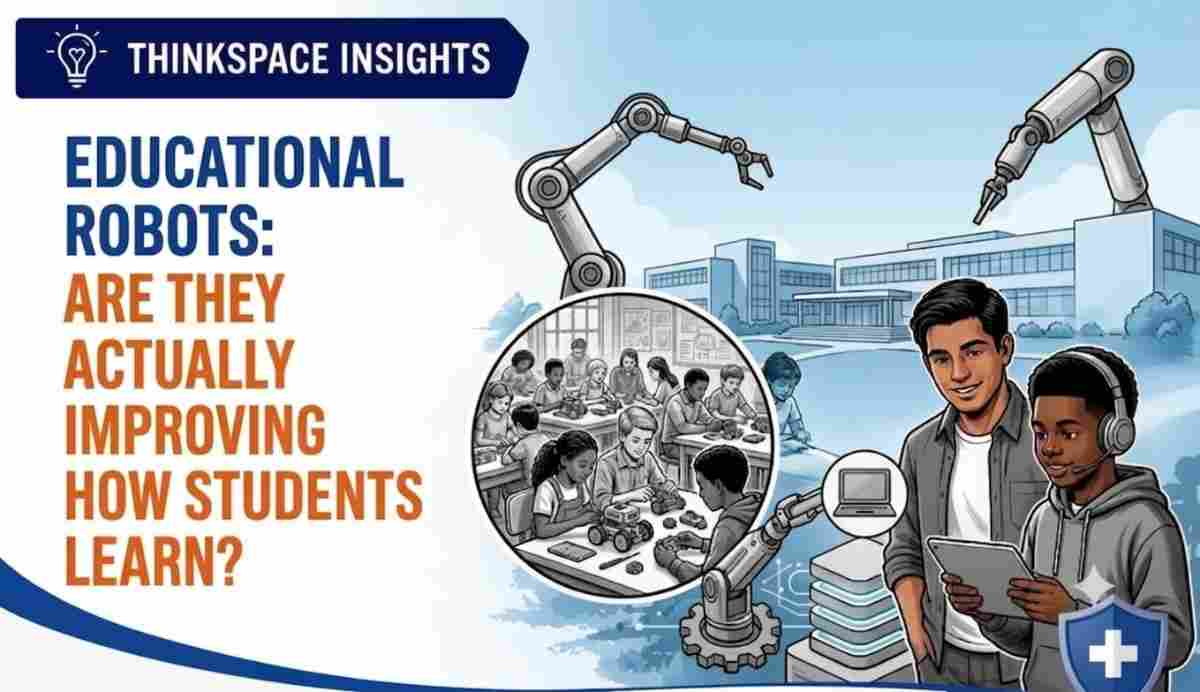
Beyond standard instructional techniques, the study heavily emphasized the growing necessity of digital competence in the modern classroom. Emerging technologies, most notably artificial intelligence, are playing a massive role in completely redefining traditional pedagogical frameworks and the core role of the teacher. As these digital tools become deeply embedded in learning environments, TPD programs must actively equip educators with the technical fluency required to leverage AI and other innovations as powerful instructional assets rather than treating them as disruptive threats.
Ultimately, the research underscores that empowering teachers requires a highly holistic, systemic approach. The success of any TPD initiative heavily depends on a strict alignment between an individual educator’s competencies, robust institutional support, and a highly reliable technological infrastructure. By treating professional development as an ongoing, transformative process rather than a static event, educational institutions can actively foster the instructional innovation necessary to ensure true educational effectiveness in the digital era.
ThinkSpace Insights
- TPD is the engine of educational change, acting as the critical mechanism that allows educators to adapt their instructional strategies to meet modern, evolving learning demands.
- Effective training is highly multidimensional, requiring a deliberate blend of collaborative learning, reflective practice, tech integration, and strong leadership support to succeed.
- Sustained development drives student success, with the research proving that context-sensitive, continuous training directly improves teaching quality and boosts student achievement.
- Digital competence is no longer optional, as emerging technologies and digital frameworks rapidly redefine the traditional roles and expectations of modern educators.
- Artificial intelligence is actively reshaping pedagogy, emphasizing the need for professional development programs to teach technical fluency and AI integration in the classroom.
- Institutional alignment is mandatory for success, as transformative professional development requires a perfect balance between individual skills, leadership backing, and robust technological infrastructure.
Access Full Article