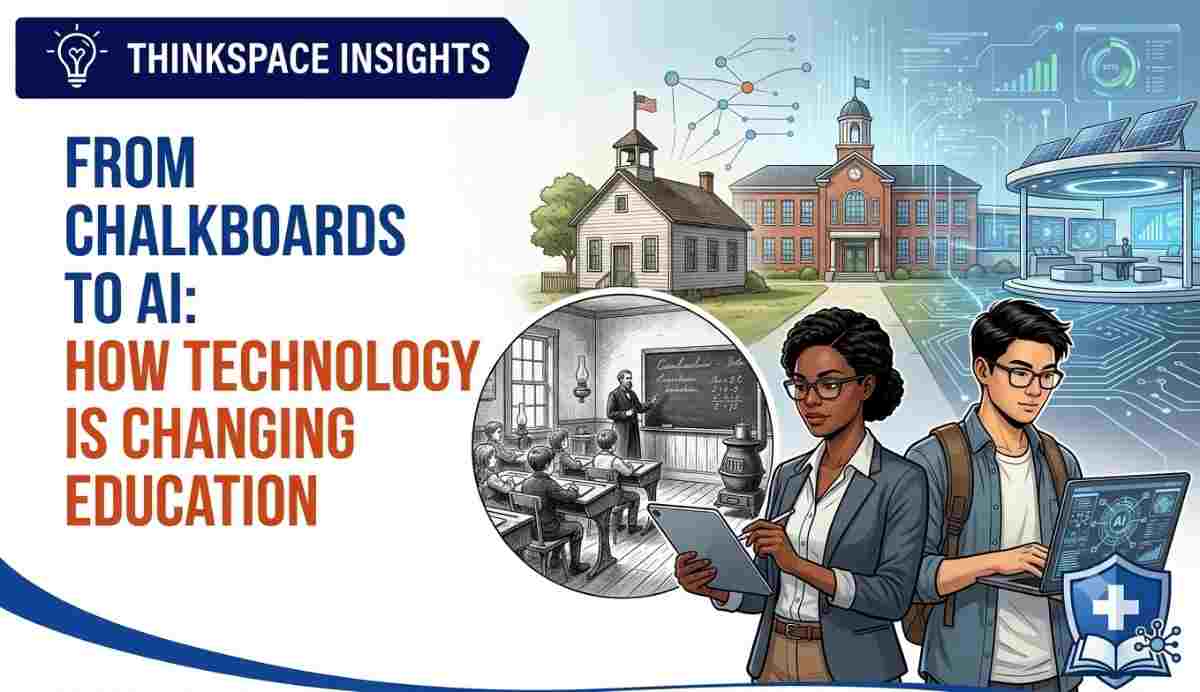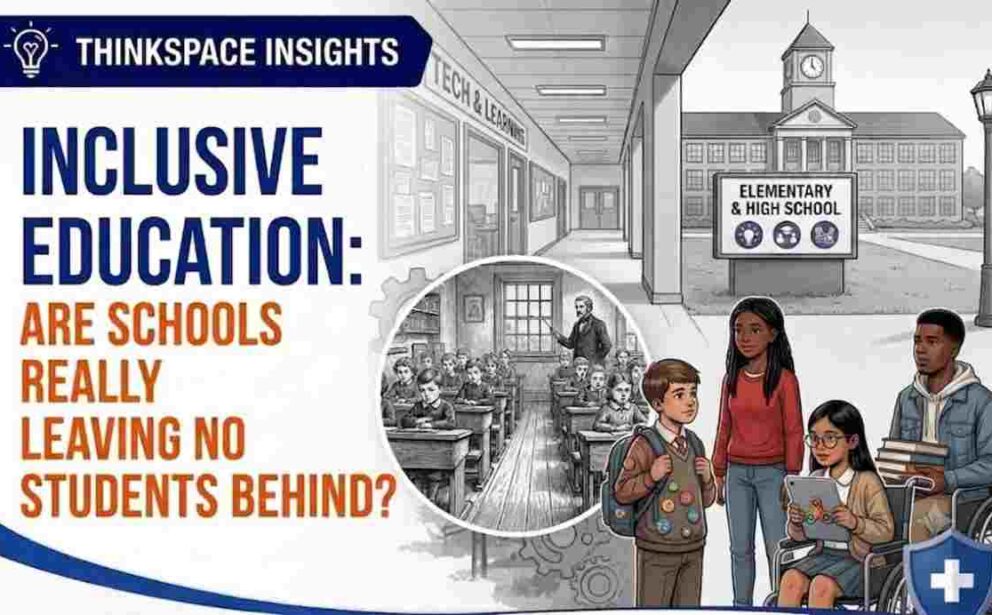
For decades, the traditional classroom has operated on a rigid, one-size-fits-all model. This outdated approach has consistently forced students with disabilities to navigate a frustrating maze of physical, digital, and pedagogical barriers. While we frequently talk about the importance of inclusive education, the reality on the ground often falls short of the ideal. Now, however, the rapid rise of Smart Learning Environments (SLEs) is offering a genuine glimmer of hope, promising to use advanced technology to finally bridge the gap and create classrooms that actively adapt to the learner, rather than forcing the learner to adapt to the classroom.
To figure out if these high-tech classrooms are actually delivering on their promises, researchers conducted a massive, rigorous systematic literature review. Following the strict PRISMA methodology, the team cast a wide net across six major academic databases, initially pulling in nearly 2,300 sources published between 2019 and 2024. After a grueling screening process, they isolated 43 of the most robust, peer-reviewed studies. Their goal was to cut through the tech hype and map out exactly how SLEs are being applied today, what key advancements are genuinely improving accessibility, and where the system is still failing vulnerable students.
The synthesized data confirmed that Smart Learning Environments possess incredible, transformative potential. When deployed correctly, these systems move beyond basic accommodations; they actively redefine the educational experience. By utilizing adaptive technologies, SLEs can tailor content, pacing, and interaction methods to directly address the incredibly diverse needs of individual students. The review found that these advancements do not just improve basic accessibility—they significantly boost actual learning outcomes, fostering a sense of equity, deep inclusivity, and genuine empowerment for students who have historically been sidelined.
But despite this incredible promise, the researchers issued a firm reality check: simply throwing cutting-edge technology into a school will not magically erase decades of exclusion. The 43 studies highlighted stubborn, persistent systemic barriers that continue to restrict the true potential of SLEs. If a digital platform is poorly coded or an adaptive tool requires a steep learning curve without proper support, the technology actually becomes an additional obstacle. The researchers stressed that these ongoing challenges threaten to leave students behind if school districts adopt the tech without fundamentally changing their underlying educational frameworks.
So, how do we turn this technological promise into everyday reality? The study lays out a clear, actionable path forward. First and foremost, universal design cannot be an afterthought; it must be the foundational blueprint for any new educational tech. Furthermore, governments and institutions must establish stronger regulatory frameworks, while simultaneously investing heavily in targeted professional development so teachers actually know how to wield these new tools. Finally, the researchers issue a call to action for future scientists: we need large-scale, longitudinal studies to track the long-term impact of these environments, ensuring our push toward inclusive education is actually built to last.
ThinkSpace Insights
- The traditional one-size-fits-all classroom model is failing, creating systemic barriers that Smart Learning Environments (SLEs) are now actively trying to dismantle.
- A rigorous review of 43 recent studies proves that SLEs have massive potential to boost accessibility, equity, and actual learning outcomes for students with disabilities.
- Simply introducing new technology isn’t a cure-all, as researchers found that poorly integrated tech can actually create new obstacles for vulnerable learners.
- Universal design must become a non-negotiable standard, ensuring all educational technology is inherently accessible from the moment it is built and deployed.
- Upgrading classroom technology requires upgrading educator skills, meaning schools must invest heavily in targeted professional development so teachers can effectively use these tools.
- Future progress relies on large-scale, longitudinal research to track the long-term effectiveness of these digital interventions and ensure they create lasting change.
Access Full Article
Https://link.springer.com/article/10.1186/s40561-025-00416-y