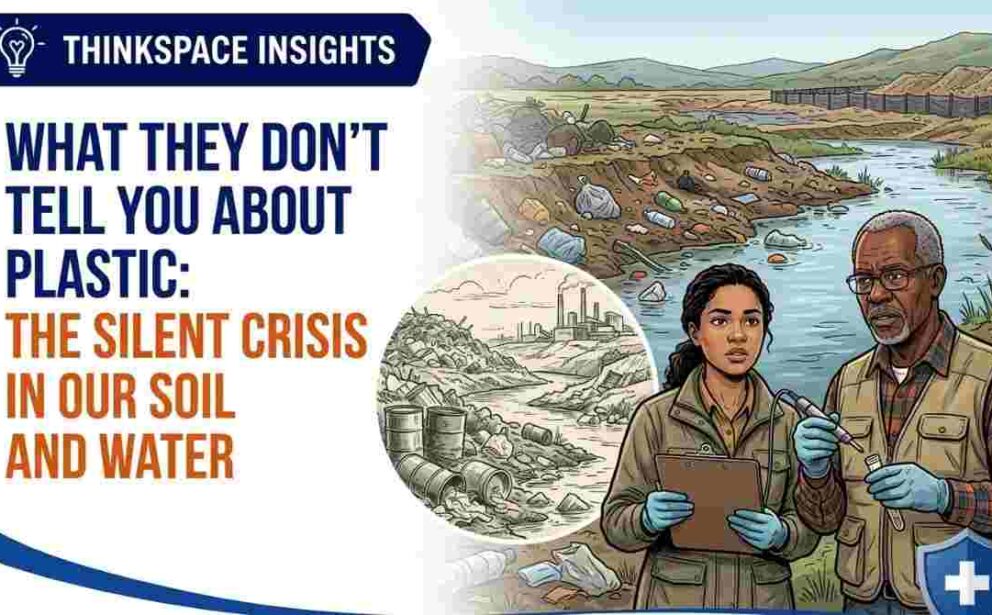
The modern world is currently facing one of its most significant environmental and health challenges: the massive global accumulation of plastic waste. Because these synthetic materials are highly nonbiodegradable, they have aggressively permeated the Earth’s terrestrial, aquatic, and aerial environments. This inescapable pollution poses a severe, escalating threat to both ecological stability and human well-being. To address this crisis, researchers recently conducted a comprehensive study assessing the profound environmental impacts of plastic and outlining practical, innovative pathways toward sustainable management.
The ecological consequences of this physical infiltration are both vast and deeply destructive. The study highlights how plastic pollution actively drives the deterioration of entire ecosystems across the globe. At the ground level, the continuous accumulation of plastics leads to severe alterations in the fundamental physical and chemical attributes of the soil. Furthermore, the pervasive pollution of critical water sources severely disrupts aquatic life, directly resulting in a catastrophic loss of biological diversification and introducing dangerous synthetic toxins into the broader environment.
Combating a synthetic problem of this magnitude requires highly advanced technological interventions. The research precisely analyzes several innovative treatment processes specifically designed to effectively degrade plastics and mitigate their associated environmental impacts. Among these modern solutions are advanced chemical and physical techniques such as adsorption, photocatalytic degradation, and targeted coagulation. Additionally, the study heavily explores the highly promising field of microbial decomposition, which utilizes specialized biological agents to break down stubborn plastic polymers naturally.
While these cutting-edge technologies are continuously being developed, modern society still relies heavily on conventional waste management approaches like basic recycling, disposal through burning, and mass landfilling. However, the study critically evaluates these traditional methods and directly compares them to the much more sustainable circular economy model. Rather than relying on a linear system of consumption and disposal, embracing the circular economy drastically enhances proper waste management by ensuring materials are continuously reused, fundamentally reducing the amount of raw plastic entering vulnerable ecosystems.
Ultimately, solving the comprehensive issues caused by plastic pollution requires a highly unified, systemic approach. The research establishes a clear operational opportunity to directly integrate these novel technological approaches with the waste management structures that are already in place. By underscoring a systematic focus on a green approach and the aggressive integration of bio-friendly methods, global stakeholders can successfully reduce plastic waste. This comprehensive integration serves as an essential roadmap to sustainable living, ensuring the enhancement of our natural resources and the long-term protection of global health safety.
ThinkSpace Insights
- Plastic is inescapable, as its highly nonbiodegradable nature allows it to aggressively permeate the Earth’s terrestrial, aquatic, and aerial environments.
- Soil and water are compromised, with plastic pollution actively altering the physical and chemical attributes of soil while heavily polluting critical water sources.
- Biodiversity is under threat, highlighting that the continuous deterioration of these ecosystems leads to a severe loss of biological diversification.
- Novel treatments offer viable solutions, identifying advanced technological measures like adsorption, photocatalytic degradation, coagulation, and microbial decomposition to degrade plastics safely.
- Traditional disposal falls short, contrasting outdated conventional methods like burning and landfilling with the urgent necessity of embracing a sustainable circular economy model.
- Integration is the path forward, emphasizing the need to combine novel bio-friendly technologies with existing waste management infrastructure to build a roadmap for sustainable living.
Access Full Article