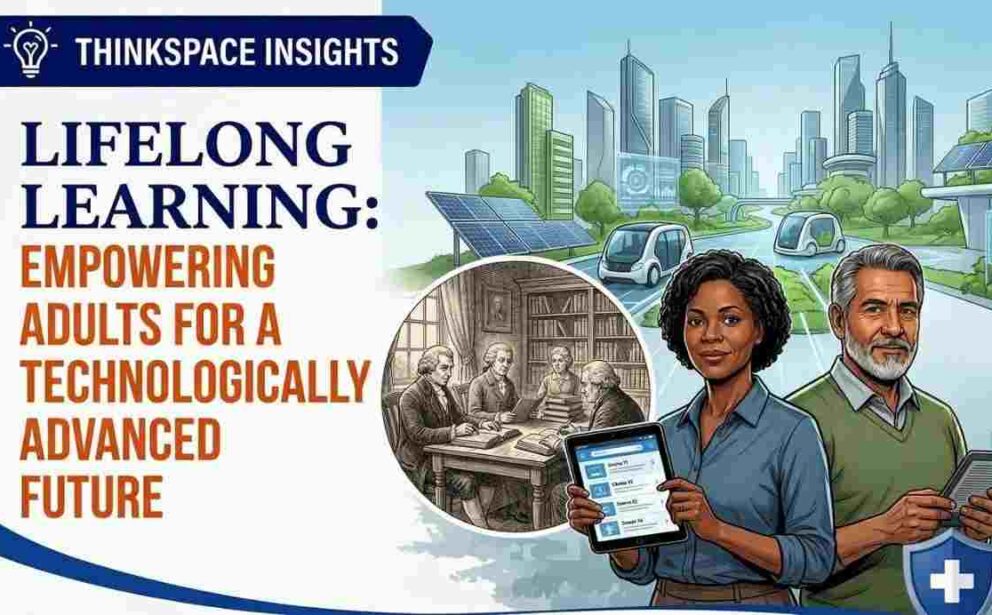
The modern labor market and civil society increasingly demand continuous education across all age groups to ensure populations remain prepared for the future. Lifelong learning is no longer simply a leisure activity; it is a critical necessity for maintaining professional relevance and actively participating in a rapidly changing community. To address this growing societal demand, researchers from the University of Zilina examined how adult educational programs can be optimized to develop these crucial competencies. Their research specifically focuses on the Institute of Lifelong Learning (UJV) and its strategic initiatives designed to activate and educate older demographic groups.
The study centers on a systematic analysis of educational courses tailored primarily for the 45+ target group. To ensure these programs are practically relevant, the researchers grounded their evaluation in existing legislative frameworks, including the National Program for Active Ageing for 2021-2030 in the Slovak Republic. By comparing academic and practical accreditation standards, and analyzing the scope of current courses, the research team actively sought to identify critical missing topics in adult education. This rigorous framework ensures that educational offerings align directly with the current and future needs of the broader society.
Throughout the monitored period, the core activities at UJV heavily prioritized foundational modern skills, focusing predominantly on language, digital, financial, and media literacy. These specific competencies are universally recognized as essential tools for adults attempting to successfully apply for new roles or securely maintain their current positions in a highly competitive labor market. However, the research results point to a necessary evolution in educational planning, noting that focusing exclusively on digital skills is no longer sufficient to meet growing modern requirements.
The study highlights an urgent, growing requirement for “green skills” to support what the researchers describe as a “double transformation”. This dual-focus concept advocates for a future that is simultaneously more technologically advanced and deeply sustainable. Green skills represent a necessary societal shift toward environmentally sustainable procedures, processes, and products, which ultimately increase the competitiveness of the economy while promoting a healthy lifestyle. By seamlessly integrating these environmental competencies alongside digital literacy, educational programs can significantly boost the overall civilization literacy of individuals.
Beyond pure economic and environmental utility, the research also established highly specific educational goals for the 60+ demographic. For this older target group, the learning focus purposefully shifts away from strict labor market competition and toward improving overall quality of life. The initiatives designed for this cohort emphasize topics and activities that actively strengthen the social and cultural potential of the individual. By identifying and applying their direct connection to the community, these specialized lifelong learning programs ensure that older adults remain engaged, valued, and socially active citizens.
ThinkSpace Insights
- Lifelong learning is a modern necessity, as current labor markets and civil society require students of all ages to continuously develop competencies for the future.
- Programs target specific older demographics, focusing heavily on the 45+ age group and utilizing frameworks like the National Program for Active Ageing.
- Foundational literacies secure employment, with courses prioritizing language, digital, financial, and media skills to help adults maintain their labor market positions.
- Digital skills are no longer enough, prompting a necessary educational shift to address new economic realities and growing workforce requirements.
- A “double transformation” requires green skills, highlighting the need for environmentally sustainable procedures alongside technological advancement to boost economic competitiveness.
- The 60+ group needs community connection, with tailored educational goals specifically designed to improve quality of life and strengthen social and cultural potential.
Access Full Article