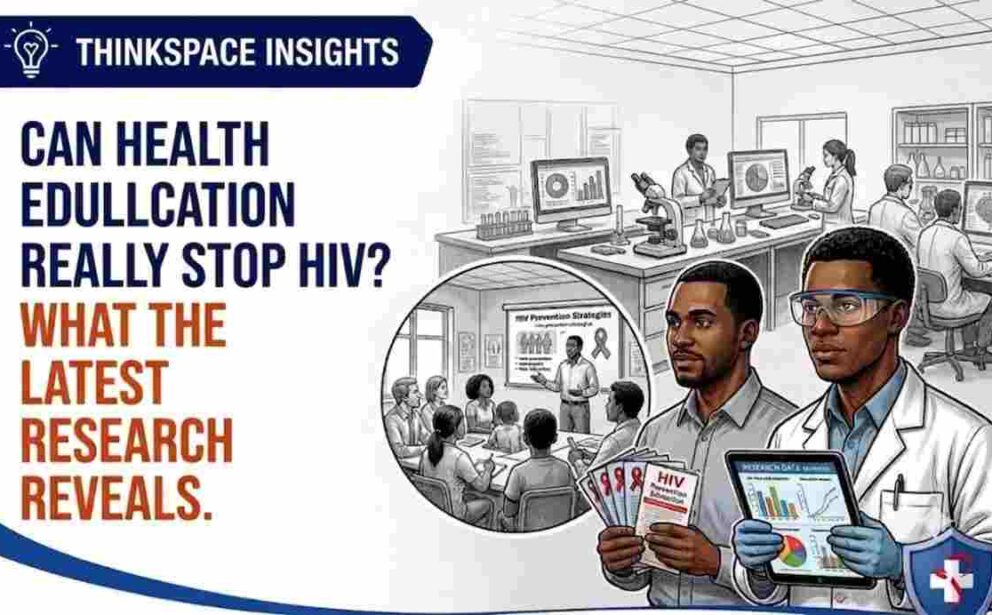
For millions of young people across Sub-Saharan Africa, navigating adolescence is incredibly complex—and the persistent shadow of the HIV epidemic makes it downright dangerous. Despite global advancements in treatment, this specific demographic remains highly vulnerable, largely because the healthcare systems designed to protect them often feel entirely out of touch with their reality. Young people are falling through the cracks, not necessarily because the medicine doesn’t exist, but because comprehensive, youth-friendly services tailored to their actual needs are severely lacking across the region.
When we look closely at why prevention efforts are failing, the roadblocks are deeply human. Adolescents stepping into clinics often face overwhelming stigma, crushing poverty, and a glaring lack of basic healthcare infrastructure. Even worse, they frequently encounter negative, judgmental attitudes from the very service providers supposed to help them. When reaching out for sexual and reproductive wellness information feels like walking into an interrogation, it is no wonder young people—especially those in harder-to-reach rural areas—simply stop seeking care.
To dismantle these barriers, researchers Ibrahim Khalil Ja’afar and Usoro Udousoro Akpan outline a powerful shift in strategy: combating the virus through radically inclusive health education. Their work emphasizes that formal education is one of the strongest shields we have; individuals with higher educational attainment generally possess a much better understanding of how HIV is transmitted and how to protect themselves. But reading from a textbook isn’t enough. We need education that actually speaks their language, respects their culture, and addresses the complex social dynamics they face every day.
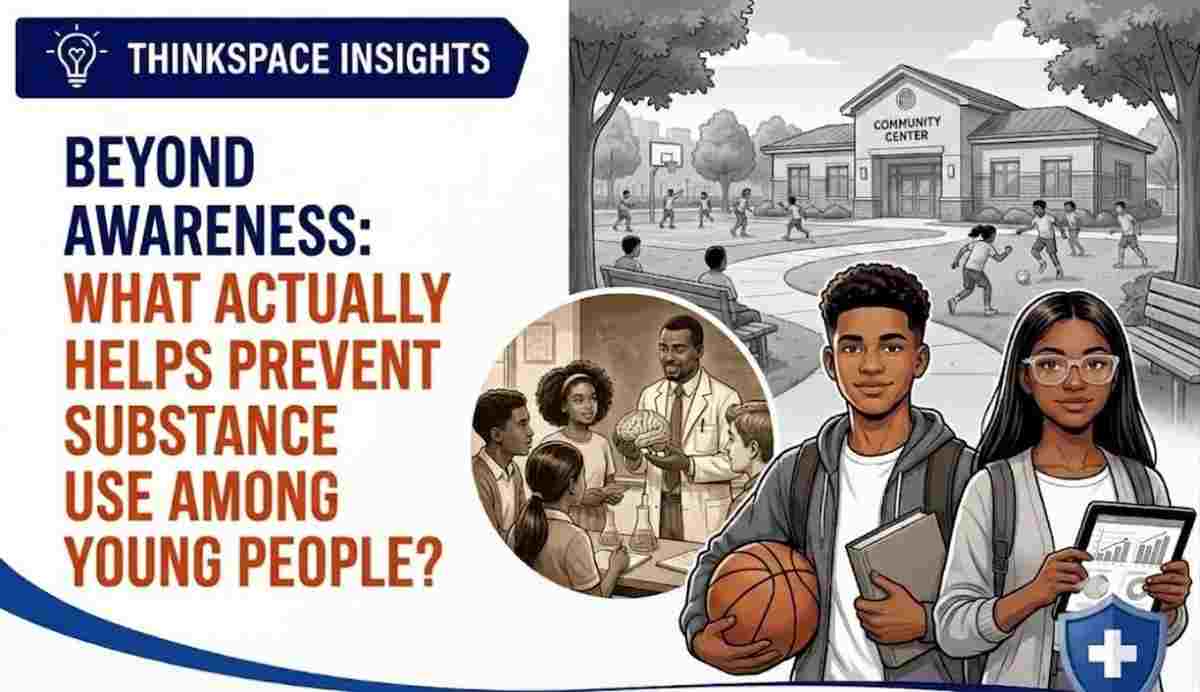
The most successful interventions don’t just talk at young people; they bring them to the table. The researchers propose actively involving youth in designing the very programs meant to save them. By establishing community advisory boards, mobilizing local health workers, and integrating gender-sensitive methods directly into schools, we can transform HIV prevention from a clinical lecture into an empowering community movement. It is about building trust and creating safe spaces where young people feel seen and respected, rather than judged.
Ultimately, turning the tide on this epidemic requires playing the long game. We cannot rely on short-term campaigns that dry up after a few months. To truly curb the long-term risk of HIV among youth in Sub-Saharan Africa, there must be a sustained commitment involving ongoing funding, rigorous monitoring, and multisectoral collaboration. By prioritizing inclusive education and supportive policies, we can finally equip the next generation with the knowledge, power, and support they need to protect their futures.
ThinkSpace Insights
- Youth-friendly services are critically scarce, leaving a highly vulnerable demographic in Sub-Saharan Africa without the tailored support they need to navigate HIV prevention.
- Stigma and provider attitudes block access to care, as judgmental healthcare environments discourage young people from seeking vital sexual and reproductive health information.
- Formal education is a powerful protective factor, with research consistently showing that higher educational attainment correlates with lower risky sexual behaviors and better prevention knowledge.
- Youth must be co-creators in prevention programs, highlighting the need to actively involve adolescents in program design through community advisory boards to ensure cultural relevance.
- Rural and impoverished areas face compounded risks, meaning interventions must specifically target the socioeconomic barriers that prevent these youths from accessing clinics.
- Long-term multisectoral commitment is essential, requiring sustained funding, capacity building, and policy support rather than temporary, fragmented health campaigns.
Access Full Article