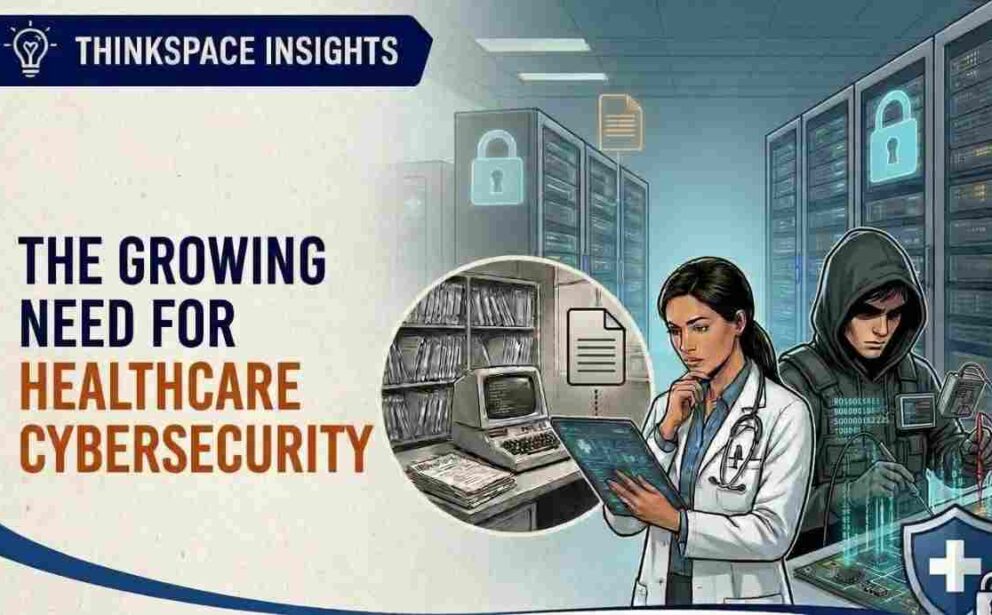
Healthcare data breaches have steadily increased in both frequency and severity over the past 15 years, exposing massive amounts of sensitive patient information. Despite this alarming trend, there is limited empirical evidence identifying the specific factors associated with these large-scale breach events. To bridge this critical knowledge gap, researchers Diane Dolezel, Clemens Scott Kruse, and Rohit Prodan analyzed historical breach data to determine exactly what predicts the most extensive cyber incidents. They focused on the intersection of cybersecurity, patient safety, and data privacy to understand the persistent vulnerabilities within modern medical organizations.
The research team conducted a rigorous analysis of 7,327 breach reports officially submitted to the US Department of Health and Human Services Office of Civil Rights between 2010 and 2025. Utilizing advanced statistical methods, including logistic and negative binomial regression, the investigators assessed the predictors of high-severity incidents, defined as those affecting 100,000 or more individuals. They also evaluated temporal trends in how these hacking and IT events were classified over time, adjusting for various covariates to ensure accurate modeling of the breach magnitudes.
The findings revealed a heavily right-skewed landscape where a small fraction of incidents caused the most damage. Specifically, roughly 10% of the reported incidents accounted for the vast majority of all individuals affected by data breaches. While the median breach impacted 3,892 individuals, the scale of malicious attacks has grown dramatically. Hacking and IT events were strongly associated with severe breaches, skyrocketing from representing just 4% of incidents in 2010 to a staggering 80% by 2025.
Beyond just the method of attack, the researchers identified specific structural vulnerabilities that amplify a breach’s impact. Cyberattacks where hackers successfully accessed network servers resulted in significantly larger breaches compared to older, more physical threats like device theft events. Furthermore, the study highlighted the severe risk posed by third-party partnerships; breaches that involved business associates or external vendors were independently associated with a significantly larger breach magnitude.
Ultimately, this comprehensive review underscores that hacking mechanisms, network server involvement, and third-party business associate participation are the absolute strongest predictors of breach severity. These results expose critical, systemic weaknesses within modern healthcare systems that can no longer be ignored. To protect patient safety and ensure data privacy, medical organizations must urgently pivot away from generalized defenses and implement stronger, highly targeted cybersecurity practices.
Additionally, the findings emphasize the immediate need for much tighter oversight and stringent security requirements for all third-party vendors operating within the healthcare ecosystem.
ThinkSpace Insights
- Data breaches are escalating, with incidents increasing in both frequency and severity over the last 15 years within healthcare organizations.
- A minority of attacks cause the most harm, as just 10% of the recorded incidents accounted for the majority of affected individuals.
- Hacking is the dominant threat, surging from 4% of total breaches in 2010 to 80% by 2025.
- Network servers are prime targets, resulting in significantly larger data exposures compared to traditional device theft.
- Third-party vendors amplify risk, with the involvement of external business associates being independently linked to larger breach magnitudes.
- Targeted strategies are required, emphasizing the urgent need for tighter oversight of external partners and stronger internal security practices to protect patient privacy.
Access Full Article