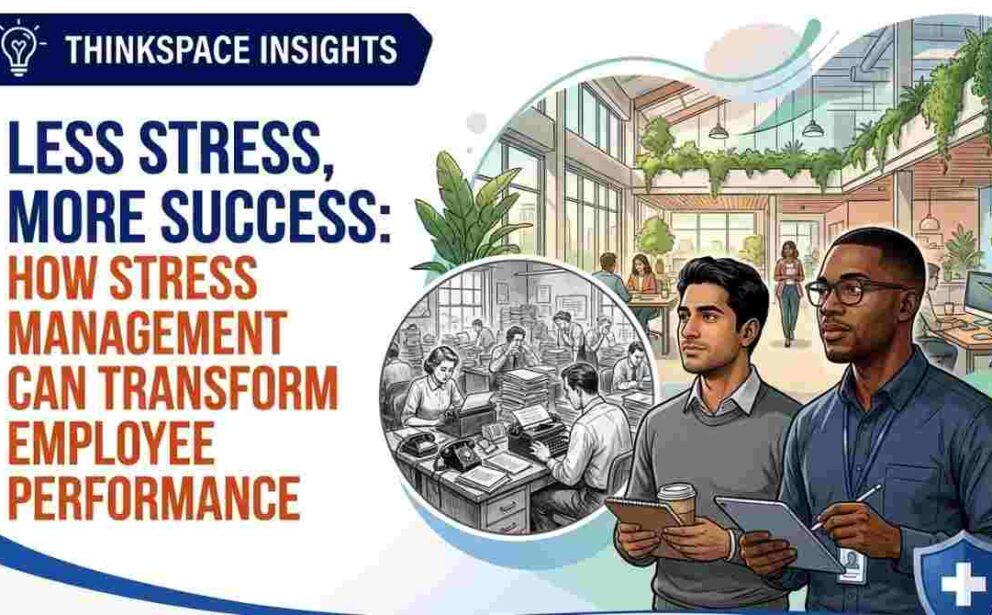
Workplace stress is a universal modern affliction, but the solutions we prescribe are often heavily influenced by Western corporate culture. While programs focused on stress relief have been extensively studied and celebrated in Western environments, their efficacy does not always seamlessly translate across borders. In the context of Saudi Arabian higher education, employee reactions to stress-management interventions are deeply shaped by unique cultural, organizational, and institutional factors. As institutions strive to meet the ambitious human capital goals of Saudi Vision 2030, understanding exactly which wellness strategies actually work for their specific workforce has become a critical operational priority.
To decode this dynamic, researchers Ikram Abbes and Farouk Amari conducted a comprehensive mixed-methods study at Tayma University College. The research aimed to explore the relationships between various stress-relief indicators—specifically mindfulness, time management, scheduling autonomy, and coworker support—and their direct impact on job performance and work-life balance. By analyzing survey responses from 104 academic and administrative employees, alongside semi-structured interviews with 20 participants, the study painted a detailed picture of how modern university staff handle professional pressure.
The most striking finding from the structural equation modeling (SEM) analysis was the overwhelming triumph of practical organization. Time management emerged as the most consistently and significantly effective intervention for the university staff. When employees utilized strong time-management-oriented activities in their daily routines, they experienced increased schedule control, fostered better coworker support, and delivered higher job performance. Ultimately, mastering the clock resulted in a substantially more balanced and fulfilling work-life experience.
Conversely, the study revealed a fascinating cultural disconnect regarding one of the most popular modern wellness trends: mindfulness. The data showed that mindfulness practices had absolutely no significant or meaningful influence on the employees’ perceived stress levels. The qualitative interviews confirmed this trend, revealing that while time management seamlessly integrated into the employees’ daily workflows, mindfulness-related exercises clashed with local cultural norms and practical work requirements. Additionally, the impact of coworker support on stress was found to be highly variable, indicating that social dynamics in the workplace fluctuate significantly from person to person.
Grounded in the Job Demands–Resources framework and the Transactional Model of Stress and Coping, this research clearly demonstrates that situational and cultural influences dictate the success of wellness programs. Organizations cannot simply import foreign stress-relief strategies and expect universal success. To genuinely facilitate the well-being, performance, and stability of employees against the backdrop of Saudi Vision 2030, universities and corporations alike must invest in culturally relevant, highly practical stress-management practices.
ThinkSpace Insights
- Context dictates wellness success, demonstrating that widely accepted Western stress-relief programs do not automatically translate to Saudi higher education environments.
- Time management is the ultimate stress reliever, consistently proving to be the most effective strategy for boosting schedule control, job performance, and work-life balance.
- Mindfulness missed the mark, showing no significant impact on perceived stress levels because the exercises failed to align with local cultural norms and work routines.
- Practicality wins over meditation, with qualitative data confirming that employees easily integrated time-management tactics into their day while discarding mindfulness exercises.
- Social support is highly variable, as the data indicated that the buffering effect of coworker support on workplace stress fluctuates significantly among individuals.
- Culturally tailored strategies are vital, emphasizing that achieving the organizational and social sustainability goals of Saudi Vision 2030 requires localized, practical employee support systems.
Access Full Article