Think of a massive office building where the central climate control suddenly malfunctions. Instead of maintaining a comfortable, even temperature, the broken system pumps freezing air into the lobby while blasting the upper floors with suffocating heat. This systemic breakdown is essentially what happens to the Earth during an El Niño event. El Niño is a climatic phenomenon characterized by the periodic warming of sea surface temperatures in the central and eastern equatorial Pacific Ocean. This unusual warming disrupts normal atmospheric and oceanic interactions, acting like a broken global thermostat that sets off a chain reaction of extreme weather events. Understanding the mechanics of this disruption is crucial because these dramatic shifts directly translate into severe public health vulnerabilities across the globe.
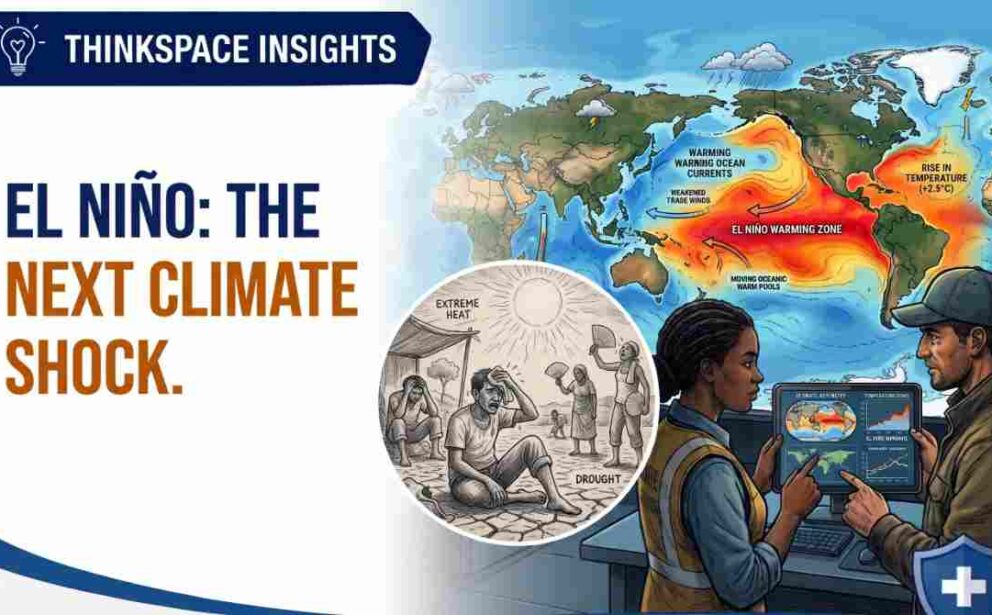
At its core, El Niño represents an intricate interplay of atmospheric and oceanic interactions thrown completely out of harmony. As abnormally warm oceanic waters converge near the western coast of South America, they trigger an atmospheric reaction that resonates globally. The surging warm waters prompt drastic shifts in wind patterns and fundamentally alter atmospheric pressure gradients. This single change in the Pacific orchestrates a potent symphony of climatic extremes, resulting in a series of cascading, highly disruptive changes in precipitation and temperature worldwide.
One of the most immediate and tangible consequences of this atmospheric upheaval is the onset of blistering, scorching heatwaves. Paradoxically, while some areas swelter, the disrupted weather systems leave other regions parched by altered precipitation patterns and prolonged droughts. In places like Southeast Asia, Australia, and parts of southern Africa, drastically reduced precipitation severely impacts agriculture, triggering massive crop failures, economic hardships, and intense food insecurity. This resulting water scarcity and disruption to the food supply can directly lead to widespread malnutrition among affected populations.
On the opposite end of the spectrum, El Niño concurrently drenches other parts of the globe, such as Latin America and central Asia, with excessive rainfall. These regions face an elevated risk of severe flooding and landslides. These sudden floods have devastating, cascading effects on public health, as the extreme weather and compromised environments heavily exacerbate the spread of waterborne and vector-borne diseases. Furthermore, the high temperatures in certain dry regions heighten the risk of wildfires, posing severe environmental threats that dangerously compromise overall air quality.
The human toll of these combined extremes is staggering, with the World Health Organization explicitly emphasizing the severe future public health implications arising from these environmental changes. Vulnerable populations—specifically children, the elderly, and individuals with pre-existing medical conditions—are significantly more at risk of severe harm during these climatic events. Beyond direct physical illness, the extreme weather fuels profound social and economic stressors, affecting both rural and urban communities as they struggle to survive amid water scarcity, compromised infrastructure, and rising disease rates.
Because El Niño’s impact on public health is incredibly complex and multifaceted, mitigating these risks requires a unified, proactive approach rather than simply reacting to disasters after they strike. To protect communities from this capricious climatic influence, researchers stress the urgent need to deeply understand the interplay between El Niño events and local health vulnerabilities. To enhance real-world preparedness, governments must prioritize strengthened early warning systems and massively improved healthcare infrastructure. Additionally, developing highly effective communication strategies and fostering collaborative efforts between various stakeholders are crucial steps to safeguard global public health against the inevitable return of El Niño.
ThinkSpace Insights
- A global climate disruptor, as El Niño is characterized by periodic warming in the Pacific Ocean that throws atmospheric and oceanic interactions completely out of harmony.
- Heatwaves and droughts, noting that regions like Southeast Asia and Australia experience severe drought conditions, leading directly to crop failures and food insecurity.
- Flooding and disease, highlighting that areas like Latin America face increased rainfall and flooding, which rapidly accelerates the spread of dangerous waterborne and vector-borne diseases.
- Vulnerable populations suffer most, with children, the elderly, and those with pre-existing medical conditions facing the highest risk of heat-related illnesses and infections.
- WHO issues warnings, as the World Health Organization emphasizes the severe future threats posed by malnutrition and disease spread linked directly to these climatic shifts.
- Preparedness is mandatory, proving that communities must proactively implement early warning systems, improve healthcare infrastructure, and utilize effective communication strategies to mitigate risks.
Access Full Article
https://link.springer.com/article/10.1186/s42269-023-01160-4