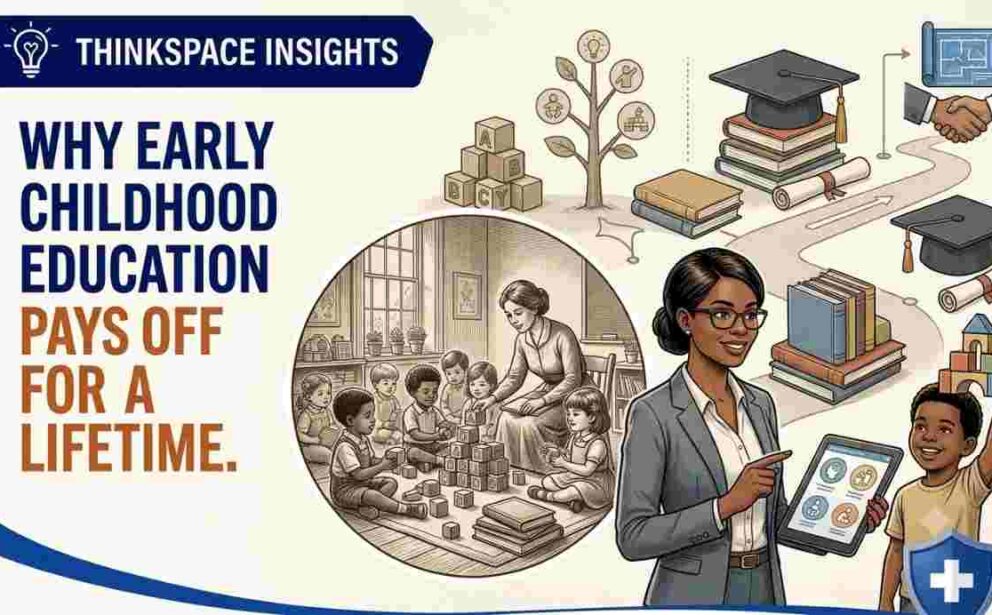
When parents drop their toddlers off at a preschool or daycare, they are usually hoping for a safe environment and maybe a few colorful finger-painting projects to hang on the fridge. But those early years are far more than just supervised playtime; they are the most critical window for brain development a human will ever experience. The quality of care a child receives before they even step foot into a kindergarten classroom sets the stage for their entire academic and emotional future. Yet, figuring out exactly what makes an early childhood program genuinely “high quality” has always been a complex puzzle for educators, policymakers, and families alike.
To solve this, a research team led by Antje von Suchodoletz embarked on a massive undertaking to map out the global landscape of early childhood education and care (ECEC). Instead of relying on a single isolated study, the team conducted a rigorous, decade-long meta-analysis of global literature. Sifting through nearly 9,000 initial search results, they meticulously isolated 185 key studies that directly measured how the quality of center-based programs actually impacted a child’s development over the course of a single school year, resulting in a robust dataset of over 1,000 effect sizes.
The aggregated data paints a clear, undeniable picture: investing in high-quality early education pays off across the board. Children enrolled in superior programs showed noticeable, measurable boosts in their academic readiness, particularly in foundational math and literacy skills. But the benefits extended far beyond basic academics. These children also demonstrated stronger social competence, better motor skills, and a significant drop in behavioral and social-emotional problems. A great preschool environment effectively acts as a developmental buffer, equipping young kids with the emotional regulation they need to confidently navigate the world.
Interestingly, the researchers discovered a major distinction in what actually drives these positive results. While parents often obsess over “structural” characteristics—like classroom size, facility amenities, and strict teacher-to-student ratios—the study found that these factors alone did not significantly boost child outcomes. The real magic happens in the “process quality.” It is the daily human interactions, the warmth and responsiveness of the teachers, and the highly engaging nature of the play that truly matter. The emotional and intellectual connection within the classroom is the true engine of a child’s growth, not just the physical setup of the building.
While this meta-analysis provides a powerful blueprint for early education, the researchers did point out a significant geographical blind spot: the vast majority of the large-scale data originated in the United States. While specific patterns might look slightly different across varied global cultures, the overarching, evidence-based message remains universal. The data proved that the benefits of high-quality early education hold true regardless of a family’s socioeconomic or ethnic background. Ultimately, if policymakers want to build a healthier, smarter, and more resilient society, the smartest investment they can make is in the very first years of a child’s life
ThinkSpace Insights
- Early childhood programs are foundational, not just babysitting, actively shaping a child’s long-term academic readiness and emotional regulation before kindergarten.
- High-quality care directly boosts academic and social skills, leading to measurable improvements in early literacy, math, and overall social competence.
- Quality environments reduce behavioral issues, helping young children develop better coping mechanisms and significantly lowering social-emotional problems.
- “Process quality” is the true driver of development, proving that warm, engaging human interactions matter far more than just having a nice facility.
- Structural factors like class size aren’t enough on their own, as the data shows these metrics only improve outcomes when paired with high-quality teaching interactions.
- The benefits cross socioeconomic boundaries, highlighting that excellent early education is a universal equalizer that helps children thrive regardless of their family’s background.
Access Full Article
Https://assets.cureus.com/uploads/review_article/pdf/431186/20251221-355157-8l4ofh.pdf