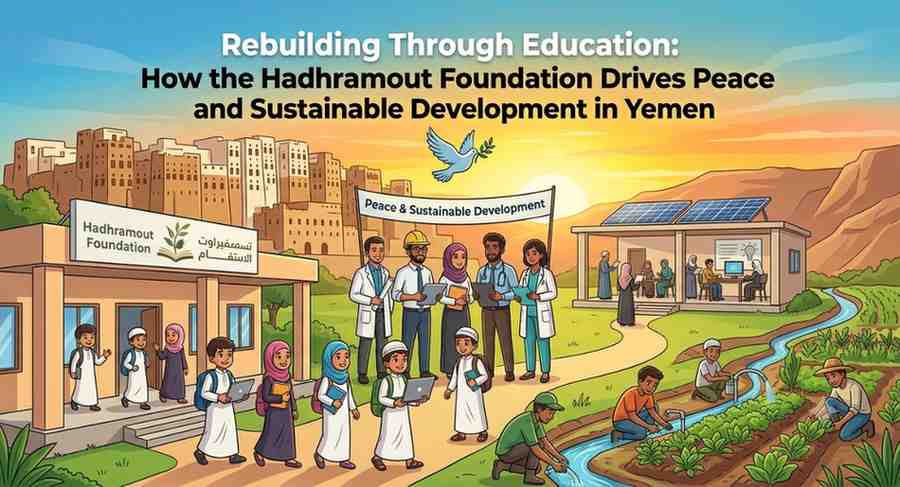
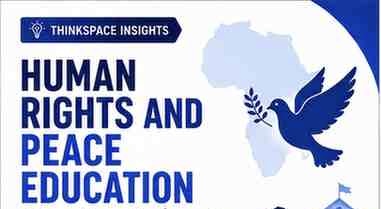
Education is widely recognized as a decisive force in promoting peace, human rights, and democracy. A comprehensive exploration by authors Despina Karakatsani and Vassiliki Pliogou examines the immense benefits of Human Rights Education (HRE) and Peace Education (PE). Their work highlights the global initiatives and strategies designed to realize these concepts, underscoring the universality of human rights in building a peaceful, democratic, and resilient global community oriented toward sustainable development.
Despite significant political, social, and economic progress—and the rapid dissemination of technology driven by globalization—democracy and human rights continue to face severe global challenges. These threats include the rise of nationalism, the resurgence of ethnic divisions, unresolved armed conflicts, religious intolerance, and extremism. Furthermore, systemic racism, violence, and exploitation continue to disproportionately impact minorities, refugees, migrants, displaced persons, and other vulnerable groups.
In addition to these historical challenges, new forms of human rights violations have emerged or intensified in everyday life. Issues such as sexism, gender-based violence, child abuse, and environmental degradation are increasingly prominent. Socio-economic disparities and the inequitable distribution of resources have also worsened, largely due to ongoing economic and health crises like the Covid-19 pandemic, which either created new inequalities or sharply exacerbated pre-existing ones.
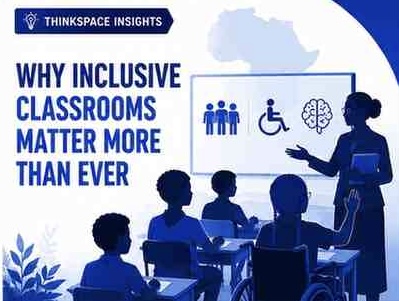
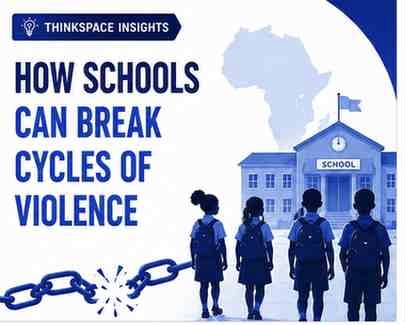
Against this backdrop, education plays an indispensable role in upholding democratic values and fostering participatory citizenship. It strengthens solidarity and mutual respect while cultivating essential skills for conflict resolution. By raising individual and collective awareness, enhancing empathy and compassion, and developing environmental consciousness, education serves as a powerful catalyst for promoting various forms of social justice.
Human Rights and Peace Education aims to drive social transformation through a holistic perspective, establishing a common ground and advancing a unified global framework. To be effective, this transformation must be comprehensive and continuous. It requires the active engagement of all stakeholders across every educational level, bridging both formal and informal settings. Crucially, these educational interventions must foster autonomy while remaining highly adaptable to individual learning capacities and diverse social, cultural, economic, and political contexts.
ThinkSpace Insights
- Education is not just about knowledge transfer; it is a fundamental tool for upholding democratic values, fostering participatory citizenship, and building global solidarity.
- Despite technological and economic progress, the rise of nationalism, extremism, and systemic racism continues to threaten global peace and vulnerable groups.
- Modern human rights frameworks must actively adapt to address intensified everyday challenges, including gender-based violence, environmental degradation, and widening socio-economic disparities.
- Effective Peace and Human Rights Education requires a holistic, continuous approach that engages all stakeholders across both formal and informal educational settings.
Access Full Article via https://link.springer.com/chapter/10.1007/978-981-95-1634-6_5