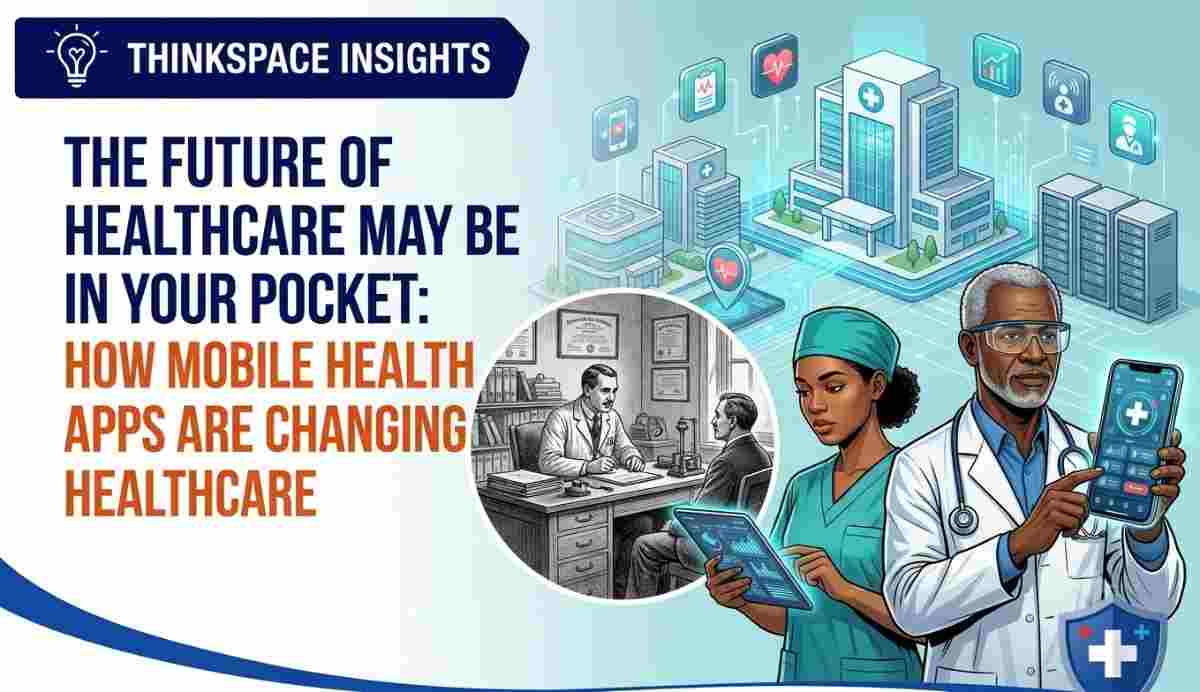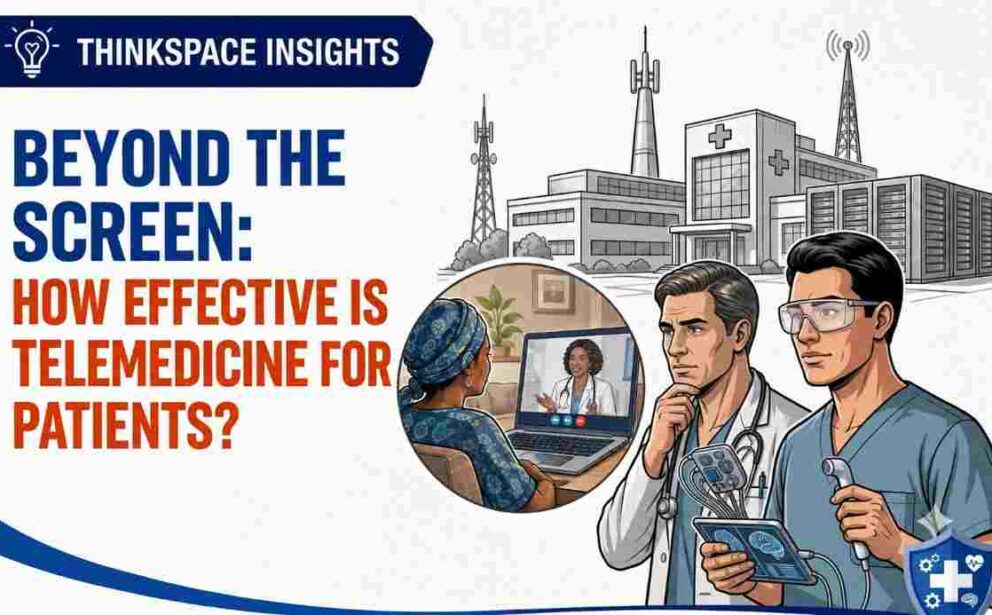
Telemedicine experienced a massive surge in adoption over recent years, yet healthcare systems are finding that retaining patients on these digital platforms remains surprisingly challenging. To understand why, we need to look closer at the actual user experiences and clinical outcomes associated with virtual care. Motivated by this lack of clarity, a research team led by Pranavsingh Dhunnoo conducted a comprehensive scoping review to evaluate synchronous telemedicine consultations. Specifically, they focused on adult patients managing nonmalignant, noncommunicable chronic illnesses and their direct digital interactions with healthcare professionals (HCPs).
To cut through the noise, the researchers applied a rigorous, PRISMA-guided methodology to scan major scientific databases including PubMed, CINAHL Complete, and Web of Science. The initial sweep identified a massive 4,167 unique articles, but following a strict multilayer filtration process, only 19 highly relevant empirical studies were selected for data extraction. These final studies investigated remote care applications across six specific chronic conditions: chronic obstructive pulmonary disease (COPD), diabetes, chronic kidney disease, ulcerative colitis, hypertension, and congestive heart failure.
From a purely clinical perspective, the findings were highly encouraging for modern virtual care models. Across the various modalities studied, researchers observed generally positive health outcomes for patients utilizing telemedicine to manage their complex chronic conditions. The data indicates that these digital touchpoints actively empower patients to take greater, more proactive control over their day-to-day disease management. However, the researchers noted a critical caveat: while immediate or indirect health improvements were evident, the evidence supporting long-term, sustained clinical improvements remains somewhat unclear.
Beyond clinical metrics, the study revealed nuanced attitudes from the people actually using the technology on both sides of the screen. Patients were largely in favor of the modality, heavily praising its unparalleled convenience. However, this enthusiasm was tempered by legitimate, lingering concerns regarding unexpected costs, practical logistical hurdles, and the overall thoroughness of virtual clinical examinations. Similarly, the majority of healthcare professionals were receptive to the technology, though a notable minority reported experiencing reduced job satisfaction when heavily reliant on remote consultations.
To bridge these gaps, the review highlighted the crucial role of supplemental technological assistance. Additional digital modules and support tools were found to successfully address common technical issues, streamline the remote clinical workflow, and provide much-needed training for both parties. Ultimately, this scoping review confirms that while telemedicine yields positive outcomes and high general satisfaction, its benefits are not universally applicable to every clinical scenario. Virtual consultations shine brightest when deployed as a highly convenient supplementary option, rather than a mandatory replacement for traditional in-person medical visits.
ThinkSpace Insights
- Telemedicine retention is challenging, prompting a need to critically evaluate actual user experiences and clinical outcomes rather than just adoption rates.
- Virtual care drives positive health outcomes, showing immediate and indirect clinical benefits for adults managing noncommunicable chronic illnesses like diabetes and COPD.
- Remote platforms empower patients, giving them the digital tools and access needed to better manage their own day-to-day conditions.
- Long-term clinical impact is still unproven, as researchers found that evidence supporting sustained, long-term health improvements remains unclear.
- Convenience comes with patient concerns, as users generally love the flexibility but worry about hidden costs and the thoroughness of a virtual physical exam.
- Telemedicine is an option, not a replacement, with evidence showing the modality works best alongside traditional in-person visits rather than completely substituting them.
Access Full Article