If you want to understand the true impact of a national health crisis, looking at just one hospital is like trying to judge a football match by only watching a single player. To get the full picture, scientists use a “systematic review and meta-analysis.” This research method gathers data from dozens of separate studies and statistically combines them to reveal the overarching national trend. When dealing with a disease like “pulmonary tuberculosis”—a severe, highly contagious bacterial infection that attacks the lungs—this big-picture approach is absolutely vital. The research below also references advanced diagnostic tools like “GeneXpert MTB/RIF assays,” which are high-tech genetic tests that rapidly detect the bacteria’s DNA, and discusses the clinical challenge of “loss to follow-up,” a term for patients who begin treatment but disappear from the healthcare system before they are cured.
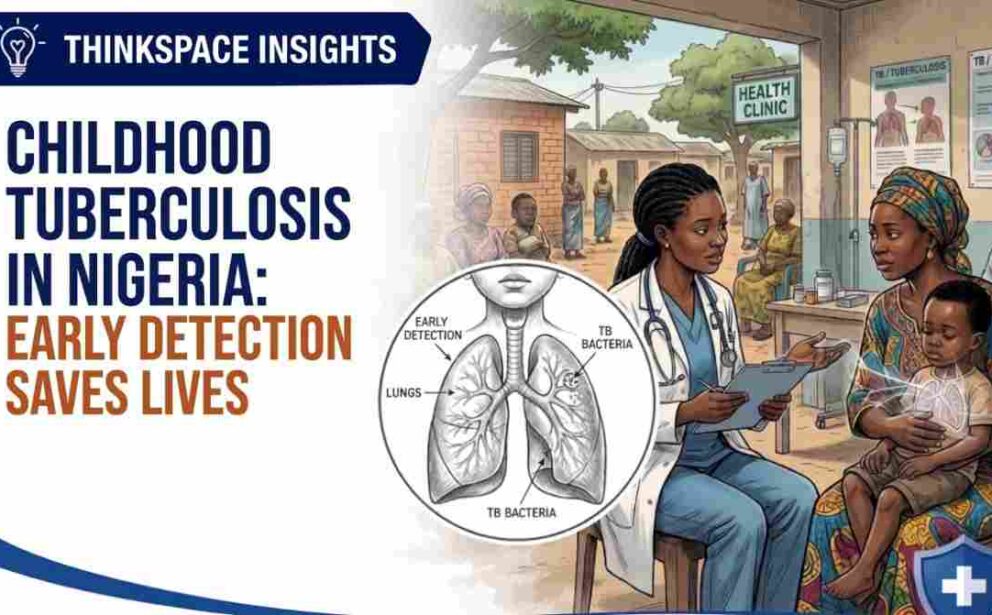
Tuberculosis (TB), caused by the bacterium Mycobacterium tuberculosis, remains one of the leading causes of infection-related deaths worldwide. Children are particularly vulnerable due to their underdeveloped immune systems, often presenting with symptoms that mimic common, less severe childhood illnesses. While early diagnosis and treatment usually lead to positive outcomes, childhood TB is chronically underreported in Nigeria, making it incredibly difficult to accurately assess the national burden. To address this, a team of researchers led by Bonaventure Michael Ukoaka conducted a comprehensive systematic review and meta-analysis to determine the true disease prevalence among Nigerian children, identify clinical characteristics, and evaluate the effectiveness of current treatment regimens.
The research team conducted a rigorous search across multiple electronic databases, ultimately selecting 22 studies for their meta-analysis. These studies, primarily retrospective and cross-sectional in design, encompassed a massive data pool of 1,162,936 participants aged 0 to 18 years. The statistical analysis revealed a pooled childhood TB prevalence of 20.82% in Nigeria. Within this affected population, pulmonary tuberculosis proved to be the most common form of the disease, accounting for 62.70% of cases.
Diagnosing TB in children presents a unique set of clinical hurdles. While older children might be diagnosed using sputum smear microscopy, GeneXpert assays, or tuberculin skin tests, younger children are often physically unable to produce the required sputum samples. In fact, laboratory tests confirm only 6% of cases in this demographic. Consequently, doctors must rely heavily on clinical diagnoses based on presenting symptoms, contact history with infected individuals, and chest radiographs. Once diagnosed, treatment typically involves a standard regimen of rifampicin, isoniazid, pyrazinamide, and ethambutol in accordance with national and international health guidelines.
Despite these diagnostic challenges, the meta-analysis found that when children do receive care, the average treatment success rate sits at a relatively positive 75.47%. However, severe systemic obstacles persist, notably an 11.40% rate of loss to follow-up and an increasing mortality rate of 6.76%. The researchers conclude that the burden of childhood TB in Nigeria is highly significant and requires immediate, coordinated action. To improve the quality of pediatric care, the study strongly advocates for stronger collaborations across the health system, standardized diagnostic criteria for consistent prevalence tracking, and future longitudinal studies to better understand why treatment outcomes remain subpar for so many vulnerable children.
ThinkSpace Insights
- A massive data pool, as the systematic review analyzed 22 studies encompassing over 1.1 million participants aged 0 to 18 years.
- High prevalence in youth, revealing a pooled prevalence of 20.82% for childhood tuberculosis across Nigeria.
- Lungs are the primary target, with pulmonary tuberculosis identified as the most common form, accounting for 62.70% of pediatric cases.
- Diagnosis relies on observation, noting that because young children cannot easily produce sputum, lab tests only confirm 6% of cases, forcing doctors to rely on clinical symptoms and contact history.
- Treatment is moderately successful, showing an average treatment success rate of 75.47% using standard medication regimens.
- Systemic failures cost lives, highlighting that a loss to follow-up rate of 11.40% and a mortality rate of 6.76% remain persistent, dangerous challenges.
Access Full Article
https://link.springer.com/article/10.1186/s12879-024-10321-3