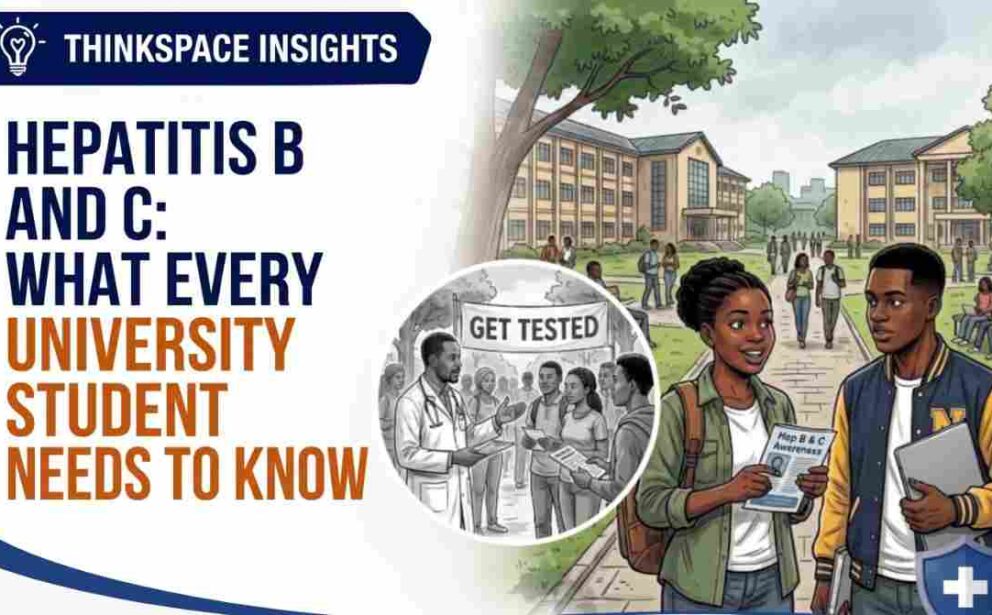
Hepatitis B and C represent a severe global public health crisis, acting as major catalysts for chronic liver disease, fatal cirrhosis, and liver cancer. These hepatotoxic viruses spread rapidly through bodily fluids via sexual, parenteral, and perinatal transmission routes. Because Hepatitis C alone is estimated to affect 71 million people worldwide, inadequate public education regarding these infections can have devastating societal effects, leading uninformed individuals to unwittingly transmit the viruses to their loved ones. To address this dangerous knowledge gap, researchers Haider Mohammed Majeed, Ahmed F. Hassan, and Alaa Jawad Kadhim conducted a study, to evaluate the baseline awareness and attitudes of nonmedical university students.
The researchers executed a descriptive design study targeting undergraduate students at Baghdad University. To gain a broad perspective outside of the specialized medical field, the team focused strictly on third- and final-year students across five distinct nonmedical colleges: Arts, Languages, Administration and Economics, Law, and Fine Arts. Between December 2020 and April 2021, a total of 250 students—comprising 156 males and 94 females—were carefully selected using a simple random sampling method.
To properly assess this student body, the research team utilized a comprehensive, 52-item questionnaire administered in the Arabic language. This survey was logically divided to capture sociodemographic variables, gauge the students’ foundational understanding of transmission hazards and preventative measures, and measure their overarching attitudes toward the risk of acquiring the infections. The collected data, representing a predominantly single (87.6%) and rural (88.4%) demographic with an average age of 22.11 years, was then rigorously processed using SPSS statistical software.
The empirical findings revealed a concerning deficit in foundational health education among the university population. More than half of the surveyed students (51.2%) demonstrated inadequate knowledge regarding Hepatitis B and C, leaving only a 48.8% minority who possessed a sufficient understanding of the viruses. Interestingly, despite this significant lack of factual knowledge, the data indicated that the students generally maintained highly positive attitudes toward the diseases and their management, reflected in an overall total mean score of 2.37. Ultimately, the study concludes that while attitudes remain surprisingly constructive, there is a pressing need for universities to improve the fundamental epidemiological knowledge of nonmedical students to prevent future viral transmission.
ThinkSpace Insights
- A global health threat, as Hepatitis B and C are major, often fatal drivers of chronic liver disease, cirrhosis, and liver cancer worldwide.
- Nonmedical populations are vulnerable, prompting the study to specifically target 250 undergraduate students from five nonmedical colleges at Baghdad University.
- Knowledge is alarmingly low, revealing that a concerning 51.2% of the surveyed university students possessed inadequate factual knowledge about the viruses.
- Attitudes remain positive, highlighting a clinical paradox where students exhibited positive attitudes toward HBV and HCV despite their gaping knowledge deficits.
- Demographic breakdowns matter, noting the sample primarily consisted of males (156), single individuals (87.6%), and those residing in rural areas (88.4%).
- Ignorance drives transmission, emphasizing that inadequate health education can easily cause ill-equipped patients to unwittingly infect their families and loved ones.
Access Full Article