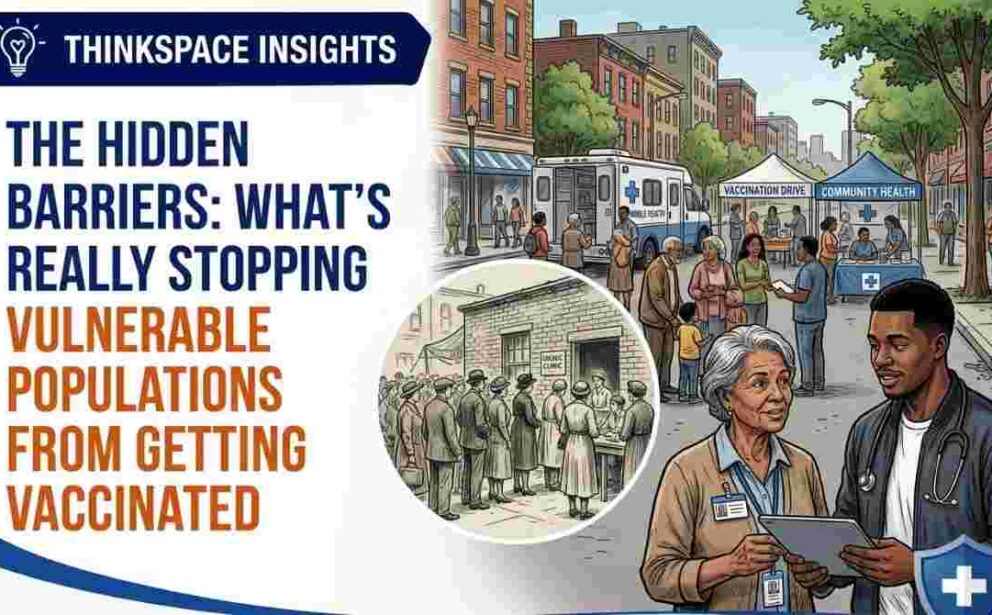
While influenza, respiratory syncytial virus (RSV), and severe acute respiratory syndrome coronavirus 2 (SARS-CoV-2) present distinct clinical profiles, there is a substantial overlap in the populations most vulnerable to severe disease. Advanced age, multiple comorbidities, and immunocompromised states universally put individuals at the highest risk when facing these respiratory viral threats. To address this ongoing public health challenge, researchers Stefania Maggi, Odile Launay, and Rachel Dawson recently published a concluding article discussing the critical pathways to improving vaccine recommendations and coverage. The study explores why vulnerable groups are being left behind and how health systems can effectively close the coverage gap.
Vaccination is universally recognized as an established and highly effective preventative strategy against respiratory viral infections (RVIs). Throughout the life course, immunization actively reduces morbidity and mortality, minimizes the potential for severe long-term complications, and mitigates the dangerous exacerbation of existing health conditions. However, despite these heavily demonstrated clinical benefits and explicit recommendations by major health authorities, the reality on the ground is highly concerning. Coverage rates against these vaccine-preventable diseases among at-risk adult populations remain stubbornly suboptimal and vary considerably depending on the specific country and demographic strata.
To fix this dangerous disparity, the researchers identified a complex web of both psychological and practical barriers that currently prevent optimal coverage. On an individual level, vaccine hesitancy is often driven by a low awareness of the actual risks posed by these diseases, coupled with a low perceived benefit of the vaccines themselves. This hesitancy is further compounded by lingering public doubts regarding overall vaccine safety. Beyond these behavioral factors, systemic logistical issues present formidable challenges, with restricted vaccine supply, poor physical access, and prohibitive costs actively blocking vulnerable adults from receiving their necessary doses.
Overcoming these deeply entrenched barriers requires highly strategic, systemic public health interventions. The authors highlight the urgent need to strengthen and harmonize immunization guidelines globally while drastically improving respiratory disease surveillance systems to appropriately identify needs and direct resources. A highly promising clinical strategy is the co-administration or use of combination vaccines that protect against multiple viruses simultaneously. By simplifying complex vaccination schedules and improving overall access, alongside the future utilization of enhanced platforms to develop novel vaccines, public health officials can greatly streamline the immunization process for patients.
Finally, technological and logistical upgrades must be actively paired with comprehensive education. The study strongly recommends deploying vaccination-focused training for healthcare providers and expanding consumer education campaigns to directly address the root causes of vaccine hesitancy. Reaching critical vaccination targets and expanding protective coverage in at-risk adult populations is increasingly achievable thanks to these new and updated strategies. However, ensuring equitable protection against respiratory viruses will ultimately require a massive, collective effort across healthcare providers, policymakers, scientists, health officials, and the general population.
ThinkSpace Insights
- Vulnerability overlaps heavily, as populations with advanced age, comorbidities, or immunocompromise face the highest severe disease risks from influenza, RSV, and SARS-CoV-2.
- Benefits are proven but coverage is lacking, with vaccination successfully reducing morbidity and long-term complications, yet rates in at-risk groups remain dangerously suboptimal globally.
- Hesitancy is multi-faceted, driven by a low awareness of disease risks, low perceived vaccine benefits, and significant public doubts regarding safety.
- Logistics frequently block access, as real-world coverage is further hindered by systemic issues related to severe vaccine supply constraints, lack of access, and high costs.
- Combination vaccines simplify care, providing a highly viable strategy to co-administer protection against multiple respiratory viruses to streamline schedules and improve patient access.
- Education must accompany innovation, highlighting that achieving coverage targets requires coupling new vaccine platforms with targeted healthcare provider training and robust consumer education.
Access Full Article
Https://link.springer.com/article/10.1007/s40121-024-01082-2