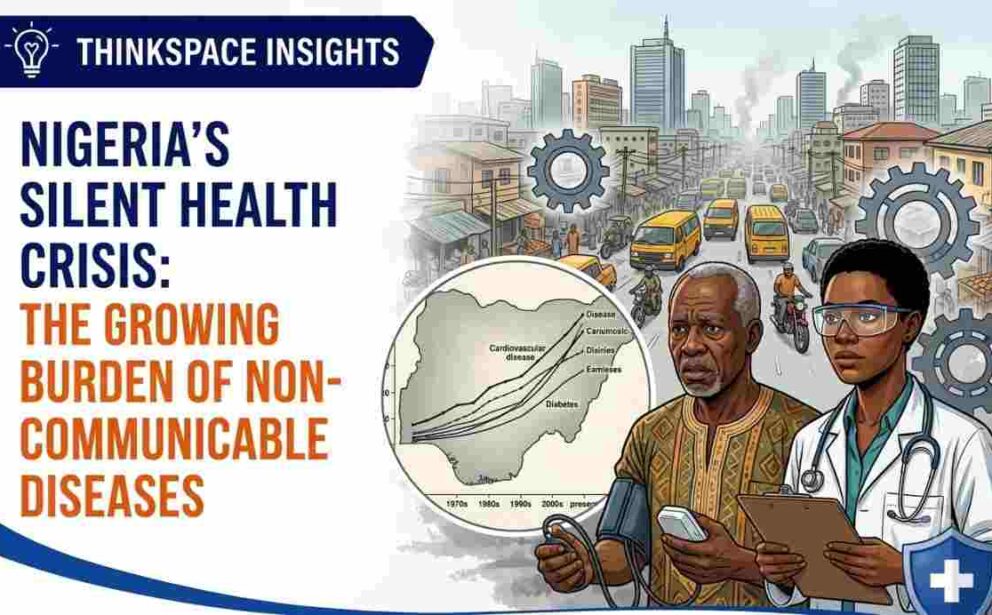
When we think of public health challenges in Nigeria, infectious diseases usually dominate the conversation. But beneath the surface, a quiet and rapid epidemiological shift is fundamentally changing the nation’s health landscape. The country is now grappling with a punishing “dual burden”—still fighting persistent communicable diseases while simultaneously facing an exploding crisis of non-communicable diseases (NCDs) like heart disease, diabetes, and cancer. This shift is placing immense, unprecedented pressure on an already strained healthcare system and threatening long-term socioeconomic development.
To truly understand the scale of this silent epidemic, a large coalition of researchers led by Morenike Olufunmilayo Akpo undertook a massive structural review. Sifting through 142 distinct sources—including decades of peer-reviewed articles, World Health Organization reports, and national health data published up to the end of 2025—the team worked to map the exact trajectory of NCDs across the country. They didn’t just look at who was getting sick; they analyzed mortality rates, regional trends, and the major risk factors driving this transformation.
The data revealed a deeply fragmented reality, showing that where you live in Nigeria drastically impacts your health risks. For example, hypertension rates swing wildly depending on the region, dropping as low as 18.6% in the North West but skyrocketing to 35.3% in highly populated urban centers like Lagos. The most rigorous community studies confirmed this stark divide, consistently demonstrating that urban living significantly amplifies the risk of developing these chronic conditions compared to rural life.
Beyond the physical toll, the rapid rise of NCDs is creating a crushing economic reality for everyday citizens. Between 2010 and 2019, the disability-adjusted life years (DALYs) related to these diseases surged by over 21%, largely driven by cardiovascular issues striking adults in their prime working years. Because these chronic conditions require lifelong management, the financial weight is devastating. Poor integration of NCD care at the primary healthcare level forces families to shoulder massive out-of-pocket expenses, frequently exceeding $200 USD annually just to manage their health.
Despite these alarming numbers, the researchers highlighted severe blind spots in how the country is tracking this crisis. Crucial data from rural Northern communities is glaringly sparse, and long-term incidence tracking is practically non-existent. Ultimately, surviving this escalating health burden will require more than just reacting to sick patients. It demands a radical overhaul of primary healthcare, robust national surveillance, and aggressive, population-level prevention strategies that address the very roots of how people live and work.
ThinkSpace Insights
- Nigeria is facing a rapid epidemiological shift, battling a rising wave of non-communicable diseases while still fighting traditional communicable illnesses.
- Hypertension rates vary drastically by location, with urban areas like Lagos seeing prevalence rates nearly double those found in certain rural regions.
- Urban living significantly increases NCD risk, as high-quality community studies consistently show higher prevalence ratios in cities compared to rural settings.
- The financial burden on families is crushing, with households facing over $200 USD in annual out-of-pocket expenses due to poorly integrated primary care.
- Major gaps in research still exist, particularly a severe lack of data from rural Northern areas and a shortage of long-term longitudinal studies to track disease incidence.
- Strengthening primary healthcare is absolutely critical, requiring a massive shift toward population-level prevention and integrated care to manage this escalating crisis.
Access Full Article
https://link.springer.com/article/10.1186/s12982-026-02046-2