
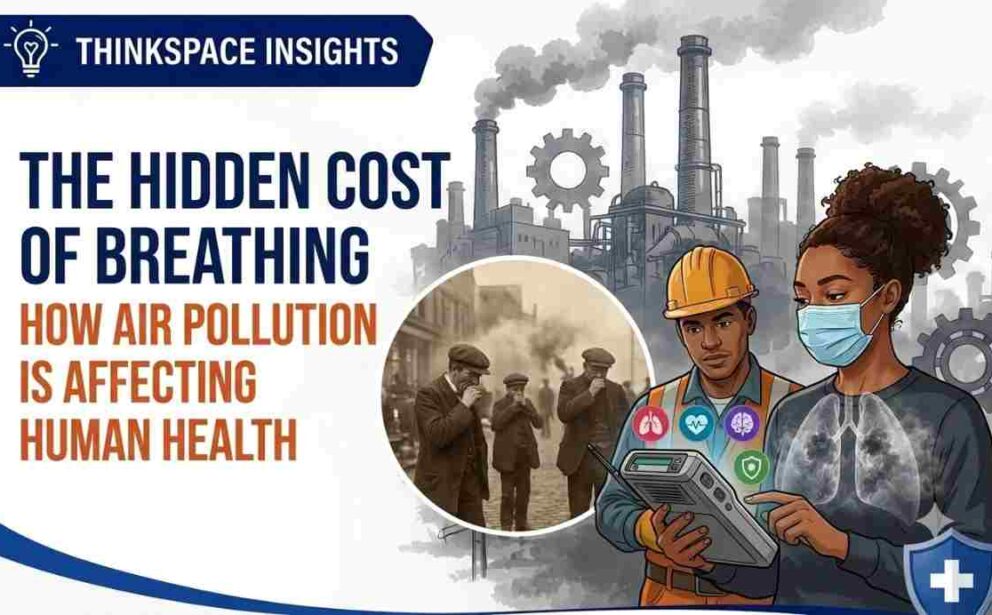
We rarely think about the air filling our lungs—until it becomes a problem. But air pollution has quietly become one of the most inescapable challenges to our global health. From the exhaust of daily commutes to industrial smog and even the household fuels used for cooking, the air we rely on is increasingly saturated with a toxic mix of emissions. This invisible threat forces us to confront a harsh reality: the basic, involuntary act of breathing now carries a significant and hidden cost to our long-term well-being.
To understand just how deep this damage goes, researcher M. Al. Monsoori conducted a comprehensive review of the current evidence surrounding major air pollutants. The study breaks these airborne threats down into two main categories. First, there are the invisible gaseous compounds, like sulfur dioxide (SO₂), ozone (O₃), nitrogen dioxide (NO₂), and carbon monoxide (CO). Then, there is the microscopic particulate matter—often referred to as PM₁₀ and PM₂.₅—which is so incredibly small that it can easily bypass our body’s natural defenses.
What happens when these pollutants enter our system is alarming. Whether a person is exposed for just a short period or over a lifetime, inhaling these toxins is directly linked to devastating health outcomes, including cardiovascular failures, severe respiratory issues, and even pregnancy complications. On a cellular level, these pollutants trigger systemic oxidative stress and chronic inflammation. They fundamentally compromise the immune system, acting as a relentless catalyst that accelerates the development of chronic diseases across multiple organs.
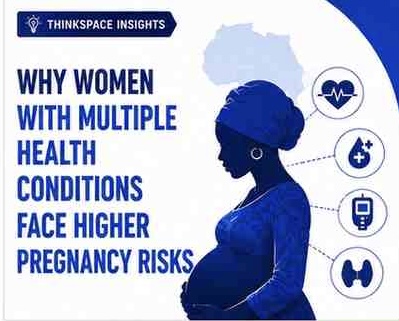
Crucially, the burden of this polluted air is not shared equally. The health risks absolutely skyrocket for vulnerable demographics, including infants, children, the elderly, pregnant women, and anyone already battling a chronic condition. This vulnerability was thrust into the spotlight recently, with emerging evidence connecting poor air quality to an increased predisposition for—and much worse outcomes from—infectious diseases like COVID-19.
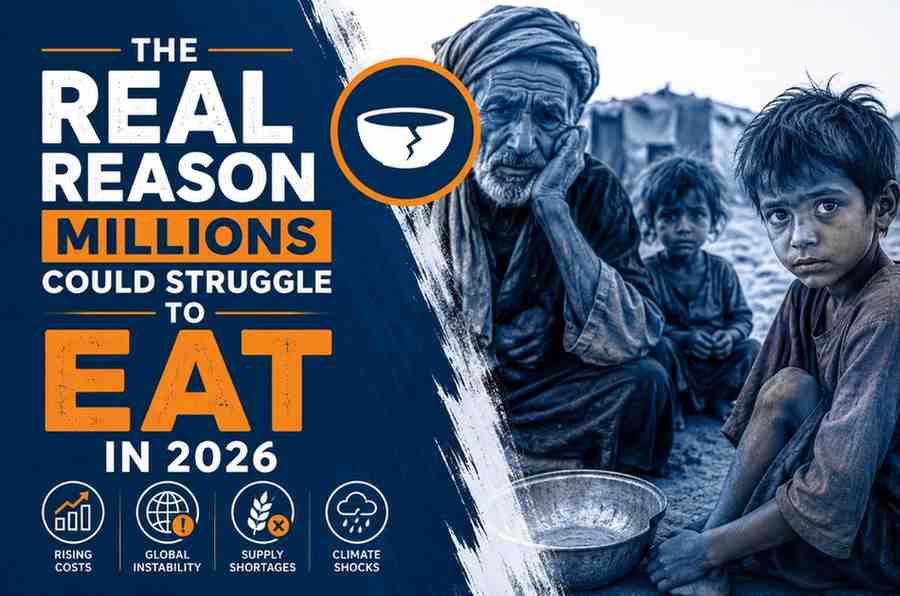
The global divide makes this crisis even starker. In low- and middle-income nations, exposure to fine particulate matter remains a primary predictor of health burdens, visibly dragging down overall life expectancy. Ultimately, these findings highlight an urgent, desperate need for action. We need strict, integrated global policies designed to simultaneously enforce environmental regulations and protect the most at-risk populations, because clean air should never be a luxury—it is a fundamental human necessity.
ThinkSpace Insights
- Particulate matter and gaseous pollutants like PM₂.₅, SO₂, and O₃ are the primary microscopic drivers behind severe respiratory and cardiovascular diseases worldwide.
- Exposure triggers deep systemic harm, pushing the development of chronic conditions by inciting oxidative stress, chronic inflammation, and compromised immune responses within the body.
- Vulnerable demographics face the highest risks, with infants, elderly adults, and pregnant women disproportionately suffering the physical consequences of poor air quality.
- Low- and middle-income nations bear a heavier burden, where PM₂.₅ exposure acts as a significant, measurable predictor of cardiovascular mortality and reduced life expectancy.
- Emerging evidence links pollution to infectious disease severity, revealing that poor air quality can predispose populations to significantly worse outcomes during infections like COVID-19.
- Strict, integrated regulatory policies are urgently needed to enforce aggressive air quality standards and specifically protect at-risk groups on a global scale.
Access Full Article