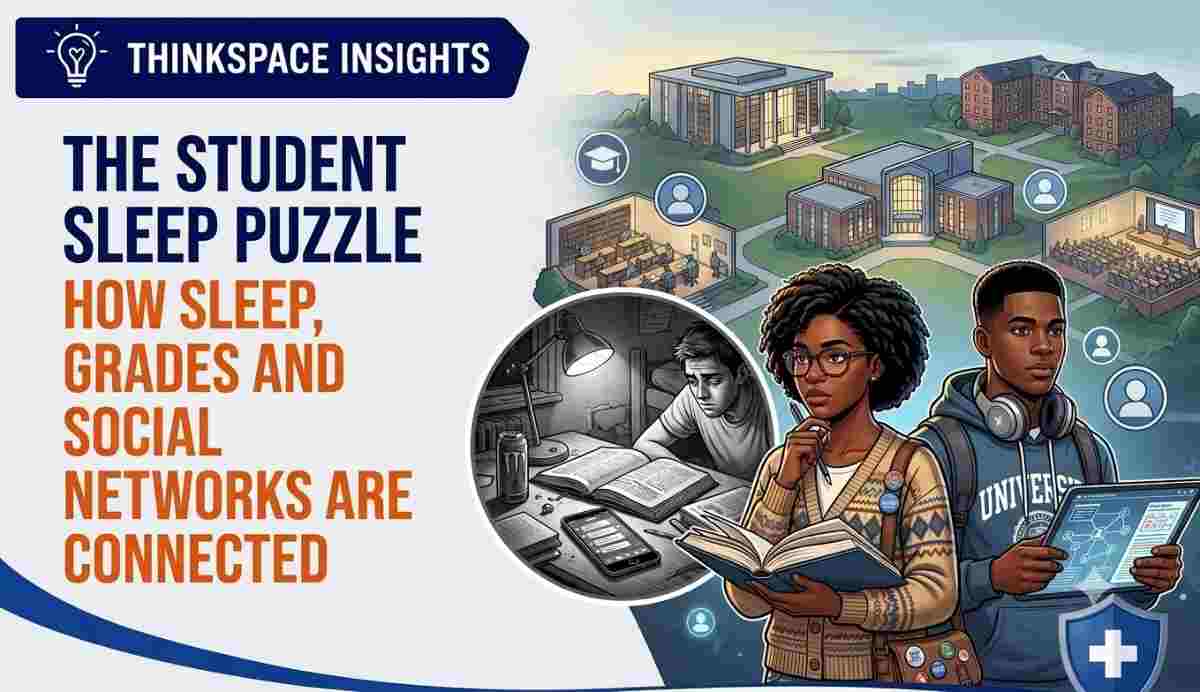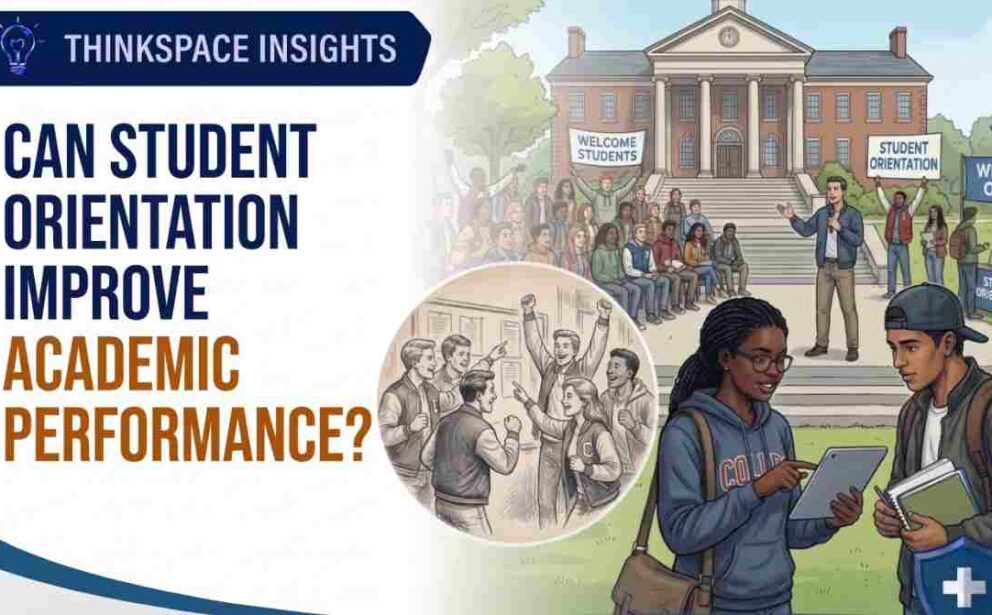
Starting university is a massive transition, and without a proper guide, the culture shock can be completely overwhelming for incoming freshmen. In the higher education landscape, the “New Student Orientation Program” (POMB) serves as this vital translation guide, acting as a critical initiative to help students cope with significant environmental changes. Rather than just being a tedious administrative requirement, these programs are engineered to provide a thorough introduction to the campus environment, offer academic guidance, and create opportunities to build connections. Understanding the true psychological and academic value of these orientation initiatives is crucial for universities aiming to foster long-term student success.
The process of adapting new students to a rigorous academic environment remains a serious and persistent challenge for higher education institutions globally. To actively mitigate this difficult transition, universities heavily rely on specialized orientation initiatives. Recognizing this, researcher Mohzana conducted a comprehensive study to evaluate the true effectiveness of the new student orientation program in facilitating the adaptation process and to measure its direct impact on academic performance.
To ensure a well-rounded and deeply accurate evaluation, the study utilized a highly detailed mixed-methods approach, combining both quantitative and qualitative research strategies. First, the research team conducted surveys to collect data regarding the students’ personal perceptions of the orientation program. To capture the deeper human element behind these statistics, the researchers also conducted in-depth interviews with both the participating students and the staff responsible for organizing the program.
The results of the extensive research definitively proved that the new student orientation program has a profoundly positive impact on the overall adaptation process. The data revealed a stark contrast in academic outcomes between attendees and non-attendees. Specifically, students who take part in the orientation program tend to have a noticeably better level of academic performance compared to those who do not take part in the initiative.
The researchers identified three primary factors that drove this massive disparity in successful adaptation: social integration, academic knowledge, and psychological support. The study found that students who participated in the POMB initiative experienced highly significant improvements in adapting to the demanding academic environment. Furthermore, these participating students successfully created strong social networks early on and consistently demonstrated a much higher level of motivation.
Ultimately, the research concludes that a well-executed new student orientation program plays an absolutely important role in improving both the adaptation process and the tangible academic performance of incoming freshmen. However, to maximize these benefits, the researcher provided specific recommendations for institutional improvement. To ensure the sustainability of these positive effects over the long term, institutions must increase interactive content within the program and drastically increase post-program support.
ThinkSpace Insights
- A vital transition tool, as the New Student Orientation Program (POMB) is a critical initiative specifically designed to help incoming students successfully cope with significant environmental changes.
- Higher grades linked to attendance, with the study revealing that students who actively participate in orientation programs tend to have a better level of academic performance than those who do not.
- Three pillars of success, identifying social integration, academic knowledge, and psychological support as the most important factors driving successful campus adaptation.
- Building social safety nets, as participants in the orientation program successfully created strong social networks and demonstrated significantly higher motivation.
- A mixed-methods approach, proving these findings by combining quantitative surveys regarding student perceptions with qualitative, in-depth interviews of both students and staff.
- The need for continuous support, recommending that institutions increase interactive orientation content and expand post-program support to ensure long-term positive effects.
Access Full Article