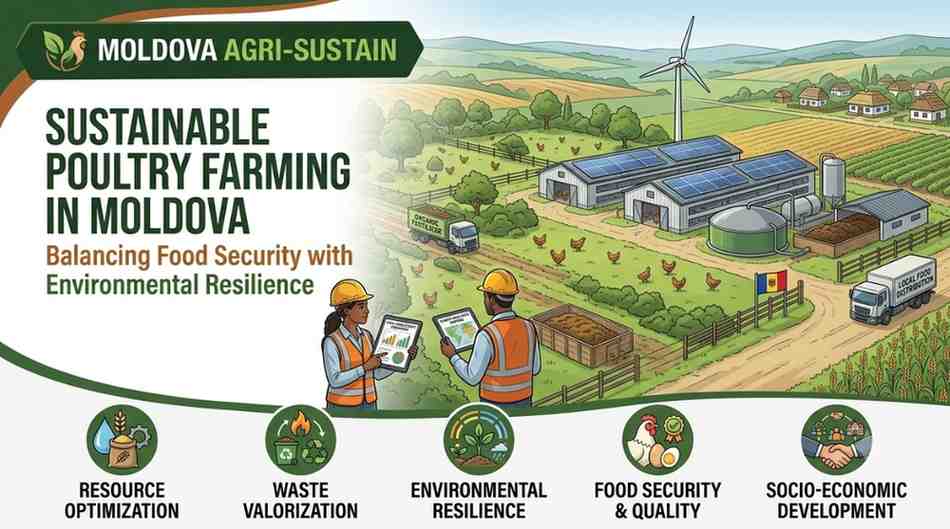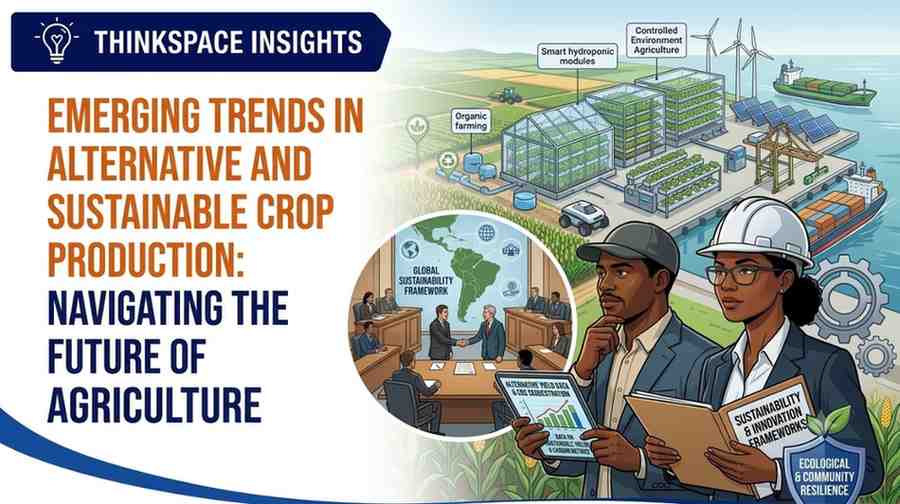


Organic farming has emerged as a vital pathway toward sustainable agriculture, offering comprehensive solutions to pressing environmental, economic, and social challenges. A comprehensive review by Md Mahedi, Shabrin Jahan Shaili, Md Nurnobi, A. Rahman Sakil, and Arafatur Rahman Shihab meticulously synthesizes the global trends, determining factors, and persistent barriers influencing the adoption of these practices. By analyzing data from international organizations, policy frameworks, and peer-reviewed studies, the authors paint a detailed picture of the current organic agricultural landscape.
The study highlights significant, albeit highly uneven, global growth. By 2021, global organic farmland reached 74.9 million hectares—accounting for 1.6% of total farmland—with a market value of $187 billion and a projected annual growth rate of 12.5%. However, a stark geographical divide remains. While European nations lead the charge, driven by ambitious goals like the EU’s target of 25% organic farmland by 2030, developing regions lag significantly. Countries like Bangladesh, for example, report a mere 0.1% adoption rate, crippled by economic constraints, weak institutional support, and glaring infrastructural gaps.
For farmers making the switch, the key drivers of adoption are multi-faceted. Economic incentives, particularly price premiums and long-term profitability, play a massive role. Social networks that facilitate peer learning, coupled with robust policy support like subsidies and certifications, are also critical. Furthermore, the undeniable environmental benefits—such as improved soil health and biodiversity—and the integration of technological innovations like precision tools and blockchain traceability are propelling the movement forward.
Despite these drivers, severe challenges persist that keep organic farming from reaching its full potential. Farmers face notoriously high transition costs and significant financial risks during the initial three-year conversion period, which is especially punishing for smallholders. Complex certification processes, fragmented supply chains, and highly volatile markets further deter widespread adoption.
To bridge these gaps, the study advocates for a shift toward highly equitable policies. Simplifying certification processes, providing targeted subsidies, and investing in grassroots innovations are critical steps. Looking ahead, future efforts must actively integrate digital solutions (such as mobile apps and blockchain), climate resilience strategies, and gender inclusivity to empower resource-limited regions. Ultimately, it will require collaborative, systemic action among governments, NGOs, and the private sector to align organic farming with the UN Sustainable Development Goals, transforming it from a niche practice into a cornerstone of global sustainability.
ThinkSpace Insights
- Organic farming is experiencing massive global economic growth, but adoption rates reveal a stark divide between well-supported European nations and resource-limited developing regions.
- High transition costs and a vulnerable three-year financial risk period remain the most significant bottlenecks preventing smallholder farmers from adopting organic practices.
- Economic incentives, peer-to-peer learning networks, and modern technological tools are the most effective drivers for accelerating the transition to organic agriculture.
- Overcoming current barriers requires governments and institutions to prioritize equitable policies, including simplified certification processes and highly targeted subsidies.
- To fully align with the UN Sustainable Development Goals, the agricultural sector must aggressively integrate digital traceability tools and prioritize gender inclusivity in rural communities.
- Transforming organic farming from a niche market into a foundational pillar of global food security requires deep, collaborative action between the private sector, NGOs, and policymakers.
Access Full Article
https://bsssjournals.onlinelibrary.wiley.com/doi/full/10.1111/sum.70170