
As HIV prevention programs across Africa face growing financial pressures, healthcare workforce shortages, and persistent service gaps, digital health technologies and artificial intelligence (AI) are emerging as powerful tools capable of reshaping public health delivery. A recent study published in The Lancet Global Health explores how digital health interventions (DHIs) and AI could significantly improve the reach, quality, and effectiveness of HIV prevention services across sub-Saharan Africa.
The study, led by Alinafe Mbewe and colleagues, examines how mobile technologies, health information systems, and AI-powered tools are already being used in several African countries to strengthen HIV prevention and healthcare delivery.
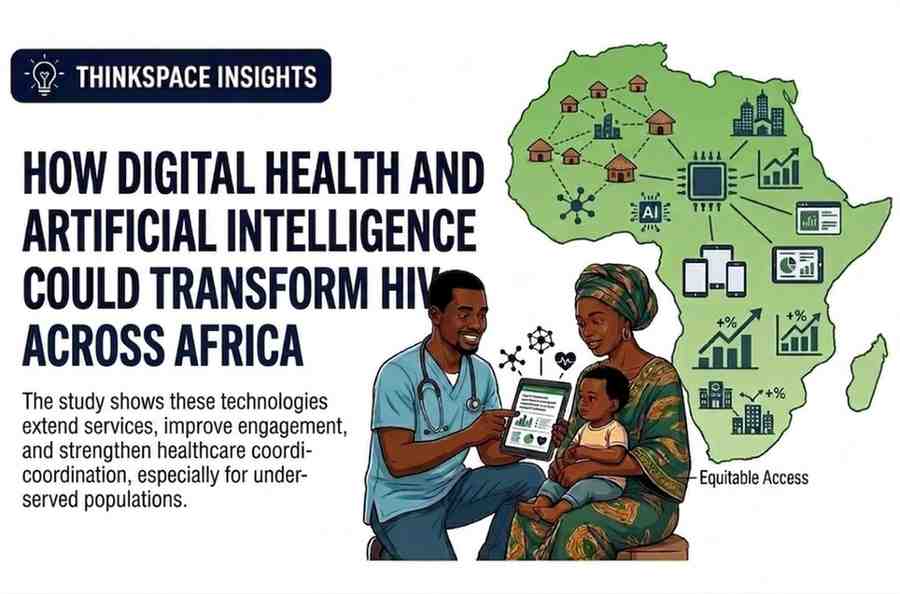
According to the researchers, digital health technologies are helping healthcare systems extend services to underserved populations, improve client engagement, optimize resource allocation, and strengthen healthcare coordination. Mobile applications, digital communication platforms, and electronic health systems are increasingly supporting HIV testing, treatment adherence, prevention education, and patient monitoring.
The study highlights that artificial intelligence is playing an expanding role in epidemic modelling, hotspot prediction, healthcare planning, and differentiated service delivery models. AI-powered analytics can help health systems identify high-risk communities earlier, improve targeting of prevention services, and support faster public health decision-making.
One of the study’s major findings is that digital health interventions have the potential to improve healthcare equity by reaching populations that traditionally experience barriers to healthcare access, including rural communities and underserved groups.
The researchers argue that digital technologies could help countries deliver smarter, faster, and more personalized HIV prevention services while also strengthening broader healthcare systems.
However, the study also identifies several major challenges limiting the effectiveness of digital health systems across Africa.
These include:
Poor interoperability between health systems
Limited digital literacy among healthcare workers and patients
Weak internet connectivity and infrastructure
Inadequate use and interpretation of health data
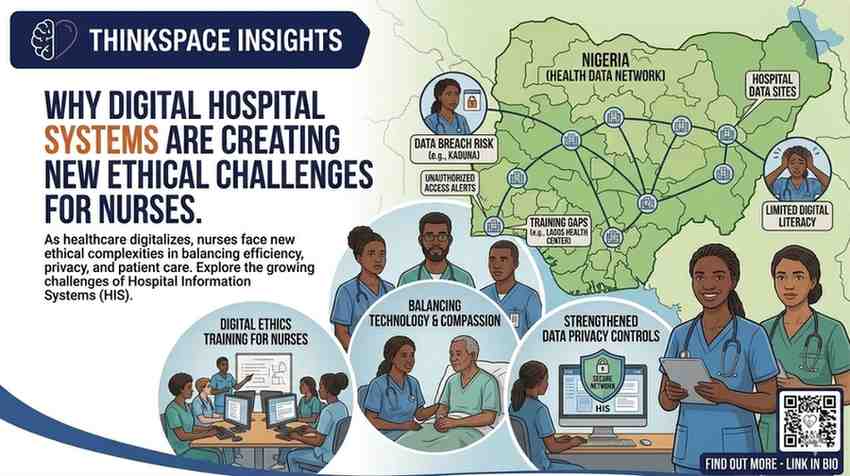
Privacy and data protection concerns
Fragmented digital health governance
The researchers emphasize that technology alone cannot solve public health challenges without strong policy coordination and sustainable investment.
Importantly, the study argues that digital health interventions must be intentionally integrated into national healthcare strategies rather than implemented as isolated projects. Long-term success will require robust governance frameworks, culturally relevant digital solutions, workforce training, and sustainable financing mechanisms.
The findings also reinforce the growing role of AI in global health systems. As infectious disease prevention becomes increasingly data-driven, AI-powered tools may help healthcare systems respond more effectively to public health threats while improving service efficiency and accessibility.
The study ultimately suggests that digital health and AI could become central components of Africa’s future healthcare infrastructure if governments, healthcare institutions, and international partners invest strategically in implementation and governance.
ThinkSpace Insights
- Expand Investment in Digital Health Infrastructure- African countries should strengthen internet connectivity, electronic health systems, and digital healthcare platforms to improve healthcare access and efficiency.
- Integrate AI into Public Health Planning Responsibly– Artificial intelligence tools should support epidemic prediction, resource allocation, and healthcare delivery while maintaining strong ethical and privacy protections.
- Improve Digital Literacy and Workforce Training– Healthcare workers and communities require digital skills training to effectively use and benefit from digital health interventions.
- Strengthen Data Protection and Governance Frameworks– Governments should establish clear policies for data privacy, cybersecurity, and responsible AI use within healthcare systems.
- Design Culturally Relevant and Inclusive Digital Health Solutions– Digital health interventions should reflect local healthcare realities, languages, and community needs to improve adoption and effectiveness.
The study highlights how digital innovation could help transform HIV prevention and healthcare delivery across Africa. However, realizing this potential will depend on intentional integration, equitable implementation, sustainable financing, and strong governance systems capable of supporting long-term public health impact.
Read Abstract via: https://doi.org/10.1016/S2214-109X%2825%2900442-8