Mental health has emerged as a central determinant of a university student’s overall learning trajectory, directly shaping their daily attendance, engagement, persistence, and long-term academic achievement. However, the academic environment itself often acts as a catalyst for psychological distress. Students frequently find themselves navigating intense performance pressures, severe workload intensification, social transitions, and profound uncertainty regarding their future. Understanding how these psychological burdens translate into academic outcomes is critical for developing effective support systems within higher education.
To map this complex dynamic, researchers Subarna Sarker, Mohammad Rafiqul Islam, and Arian Nuhan conducted a comprehensive literature review synthesizing contemporary evidence published between January 2015 and December 2025. By searching major databases including PubMed/MEDLINE, PsycINFO, Scopus, Web of Science, and ERIC, the team specifically targeted peer-reviewed studies examining the associations between student academic performance and core psychological issues like depression, anxiety, stress-related distress, and academic burnout.
The synthesized evidence reveals that across diverse contexts, poorer mental health is generally linked to a lower grade point average, weaker academic engagement, and a significantly greater risk of overall academic difficulties. Among the conditions studied, depression demonstrates the most consistent negative relationship with a student’s academic performance. Anxiety, on the other hand, presents a much more complex pattern; while it sometimes reflects a direct performance-impairment association, it also occasionally demonstrates a complicated interplay with student motivation and evaluative stress.
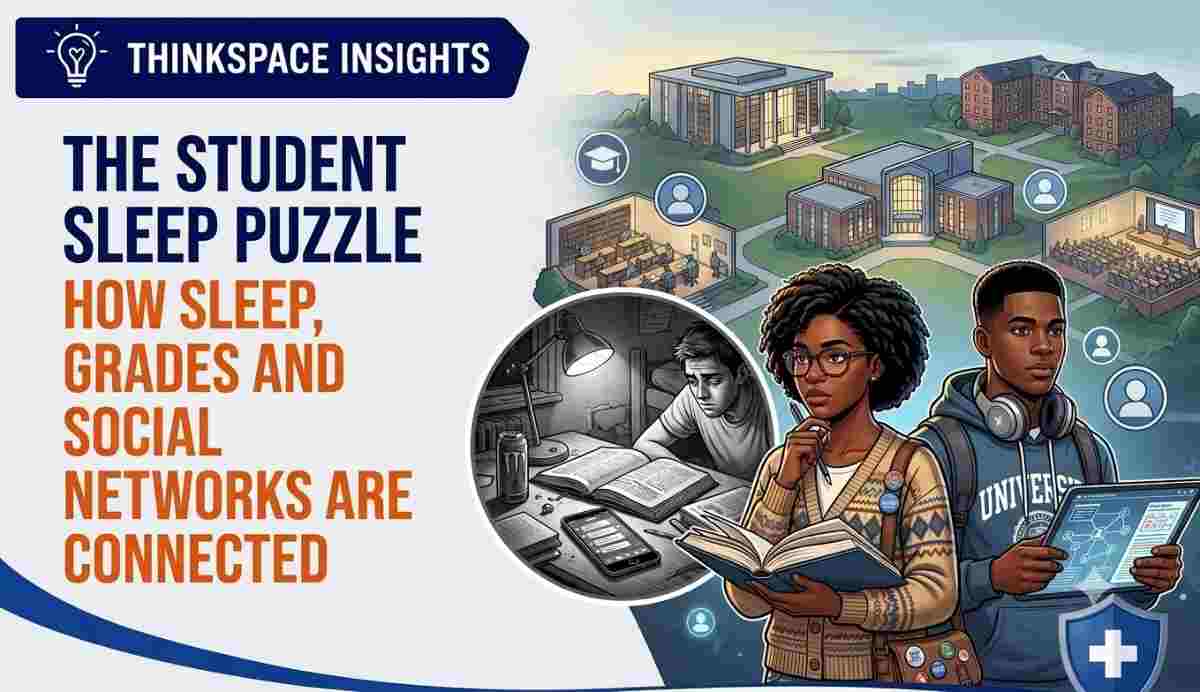
Beyond traditional mood disorders, the review highlights that academic burnout and emotional exhaustion are increasingly recognized as highly consequential to a student’s educational success, with emerging longitudinal work pointing to context-dependent relationships between grades and burnout. Mechanistically, mental health disrupts academic outcomes by negatively influencing vital cognitive functioning, motivation, and self-regulation. It also severely impacts critical health behaviors—such as sleep and help-seeking—as well as the student’s overall sense of social belonging on campus.
Addressing this systemic issue requires moving beyond basic academic advising. The evidence strongly supports the implementation of multi-level intervention approaches, which include expanding campus services, deploying proactive prevention and promotion programs, utilizing mindfulness-based strategies, and integrating scalable digital supports. By outlining these specific implications for institutional policy, the researchers underscore the urgent need for universities to overhaul their student support systems and prioritize future research designs that adequately address equity in both academic and mental health outcomes.
ThinkSpace Insights
- Mental health dictates learning trajectories, acting as a central determinant that directly shapes university attendance, engagement, and academic achievement.
- Academia can amplify distress, with students regularly facing compounding performance pressures, heavy workloads, and future uncertainty.
- Depression consistently lowers grades, showing the most direct and reliable negative relationship with academic performance among the studied conditions.
- Anxiety has a complex impact, sometimes impairing performance directly while other times creating a complicated interplay with motivation and stress.
- Cognition and behavior are the mechanisms, as poor mental health disrupts necessary self-regulation, sleep patterns, help-seeking, and social belonging.
- Multi-level interventions are essential, requiring universities to actively deploy campus services, prevention programs, and scalable digital supports to protect student well-being.
Access Full Article