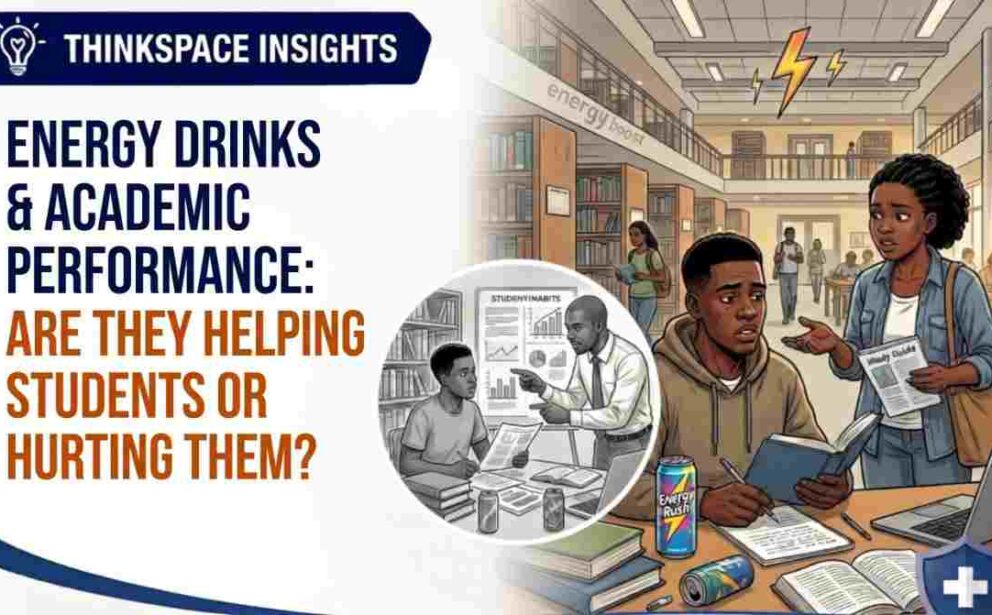
Energy drink (ED) consumption has become a pervasive habit among higher education students globally. Approximately 54.7% of the world’s population has consumed an energy drink at least once, with students frequently turning to these highly caffeinated beverages to cope with mounting academic pressures. Common motivations for consumption include staying awake to study, maintaining alertness during long lessons, improving concentration, meeting strict assignment deadlines, and attempting to boost overall academic or physical performance. However, despite the popularity of these beverages and their purported anti-fatigue properties, the actual scientific evidence supporting these cognitive and academic benefits remains notably lacking and inconsistent.
To address this significant gap in the literature, researchers Danyla Rafaela Oliveira Batista, Kaio Vinicius C. Silva, and their colleagues developed a rigorous systematic review and meta-analysis protocol. The proposed study is designed to systematically evaluate the true effects of energy drink consumption on both the mental health and academic performance of university students. The research team will employ the PECO framework to guide their search strategy, adhering strictly to established PRISMA-P and PRISMA-S guidelines. The comprehensive search will span major databases, including Web of Science, Scopus, PubMed, and Embase, utilizing advanced statistical software to quantify heterogeneity and assess study quality.
The background of the protocol highlights the urgent need for this large-scale analysis due to conflicting findings in current research. While a limited number of studies have suggested that energy drink consumption might slightly improve cognitive performance in the short term, a growing body of evidence links these high-stimulant beverages to severe negative outcomes. Previous research has indicated that frequent ED consumption is heavily associated with greater psychological distress, specifically linking the habit to increased levels of stress, anxiety, and clinical depression among students. Because previous systematic reviews have primarily explored ED effects in general adult populations or focused solely on consumption patterns, the specific, integrated impact on higher education students remains dangerously underexplored.
Ultimately, the execution of this systematic review protocol will provide vital, robust evidence regarding the short-, medium-, and long-term effects of energy drink use on this vulnerable demographic. By comprehensively analyzing the existing data, the research aims to answer critical questions about the actual potential benefits versus the significant physiological and psychological risks. The authors conclude that achieving a deeper, evidence-based understanding of ED consumption is essential for informing the development of targeted educational and public health policies. These future policies will be crucial for promoting overall student well-being and actively mitigating the health risks associated with modern academic environments.
ThinkSpace Insights
- A coping mechanism for students, as university populations frequently consume energy drinks to stay awake, improve concentration, and meet demanding academic deadlines.
- Benefits lack scientific backing, noting that despite widespread use, the purported cognitive and academic benefits of energy drinks are not fully supported by current evidence.
- Mental health risks are prevalent, with previous studies linking frequent energy drink consumption to significantly higher levels of stress, anxiety, and depression.
- A rigorous methodological approach, as the researchers outline a strict, PRISMA-compliant protocol to systematically review and meta-analyze data across multiple major databases.
- Addressing a demographic gap, highlighting that while ED effects have been studied in general adults, the specific integrated impact on university students remains largely unexplored.
- Guiding future health policies, emphasizing that the resulting evidence will be crucial for developing public health and educational policies to protect student well-being.
Access Full Article
https://doi.org/10.1371/journal.pone.0319533
Energy Drinks, Academic Performance, Mental Health, Systematic Review Protocol, Higher Education, Student Well-being, Meta-analysis