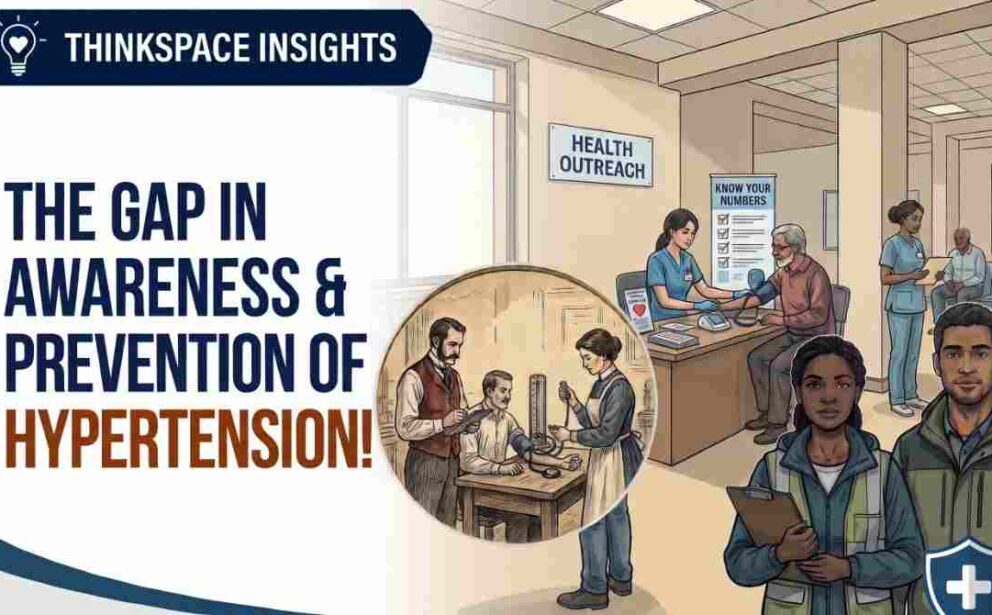
Imagine a silent leak in a home’s plumbing system. Because there is no dramatic flood right away, the homeowner goes about their daily life completely unaware that the pipes are slowly weakening, eventually leading to a catastrophic burst. In the human body, hypertension—commonly known as high blood pressure—acts exactly like this silent, progressive leak. It remains one of the most prevalent non-communicable diseases globally, serving as a major contributor to cardiovascular morbidity and fatal events. Despite its highly preventable and manageable nature, actual awareness, treatment, and control rates remain dangerously low in low- and middle-income countries.
This silent crisis is particularly acute in regions like Nasarawa State, situated in the North-Central region of Nigeria. While the area continues to experience a significantly high burden of hypertension, critical community-level data regarding actual disease prevalence and public awareness remains alarmingly limited. Without understanding exactly what residents know about the disease or how often they check their blood pressure, local health authorities are effectively fighting a ghost, unable to deploy targeted interventions to stop the silent cardiovascular damage.
To illuminate this localized public health blind spot, researchers Johnson Lilian Chidera and Godwin Okorie conducted a targeted public health evaluation. Their descriptive cross-sectional study assessed the prevalence and awareness of hypertension among 352 adult residents of the Karu Local Government Area (LGA) in Nasarawa State, Nigeria. Utilizing a multistage random sampling technique, the team collected precise data using a structured, pretested questionnaire adapted directly from the WHO STEPwise approach, and ensured accuracy by measuring blood pressure according to strict, standard medical procedures.
The statistical findings revealed a complex landscape of partial awareness and dangerous inaction. Among the 352 respondents, 26.7% had been previously diagnosed with hypertension, yet only 19.9% were actively taking medication for the condition. While a commendable 77.8% of the participants had checked their blood pressure at least once before, the data showed that both regular, ongoing monitoring and strict adherence to prescribed medication were severely low. Furthermore, the analysis uncovered that high salt intake, physical inactivity, and daily stress were highly common modifiable risk factors driving the disease in the community.
Interestingly, the study highlighted a critical socioeconomic dynamic in how the disease is perceived. The researchers discovered a direct, positive statistical association (p < 0.05) between a resident’s educational level and their overall awareness of hypertension. While 55.1% of the total population demonstrated good general knowledge of the condition, a substantial 44.9% still possessed poor knowledge. This educational gap means that nearly half the community lacks the basic medical literacy required to understand their cardiovascular risks, directly fueling the gap between initial diagnosis and long-term medical adherence.
Ultimately, the study confirms that hypertension remains a highly significant public health issue in the Karu LGA, characterized by moderate awareness but dangerously low preventative control. To prevent this silent disease from escalating into fatal cardiovascular events, healthcare policymakers must look beyond simply diagnosing the condition. The researchers emphasize that strengthening community-based health education, promoting regular, accessible blood pressure screening, and drastically improving access to long-term hypertension care at local primary health facilities are absolute essentials for effective disease prevention and control.
ThinkSpace Insights
- The silent leak, as hypertension operates as a highly prevalent global disease that silently drives massive cardiovascular morbidity and mortality.
- A regional blind spot, noting that despite a high burden of disease, areas like Nasarawa State in Nigeria severely lack community-level data on public awareness.
- Targeted community sampling, highlighting that researchers utilized the WHO STEPwise approach to survey 352 adult residents in the Karu Local Government Area.
- The adherence gap, revealing that while 26.7% of respondents were diagnosed and 77.8% had checked their blood pressure, only 19.9% were actively taking medication.
- Modifiable lifestyle risks, pointing out that high salt intake, physical inactivity, and stress were identified as the most common behavioral factors driving the local crisis.
- Education saves lives, showing a positive statistical association between higher educational levels and a better understanding of hypertension management.
Access Full Article