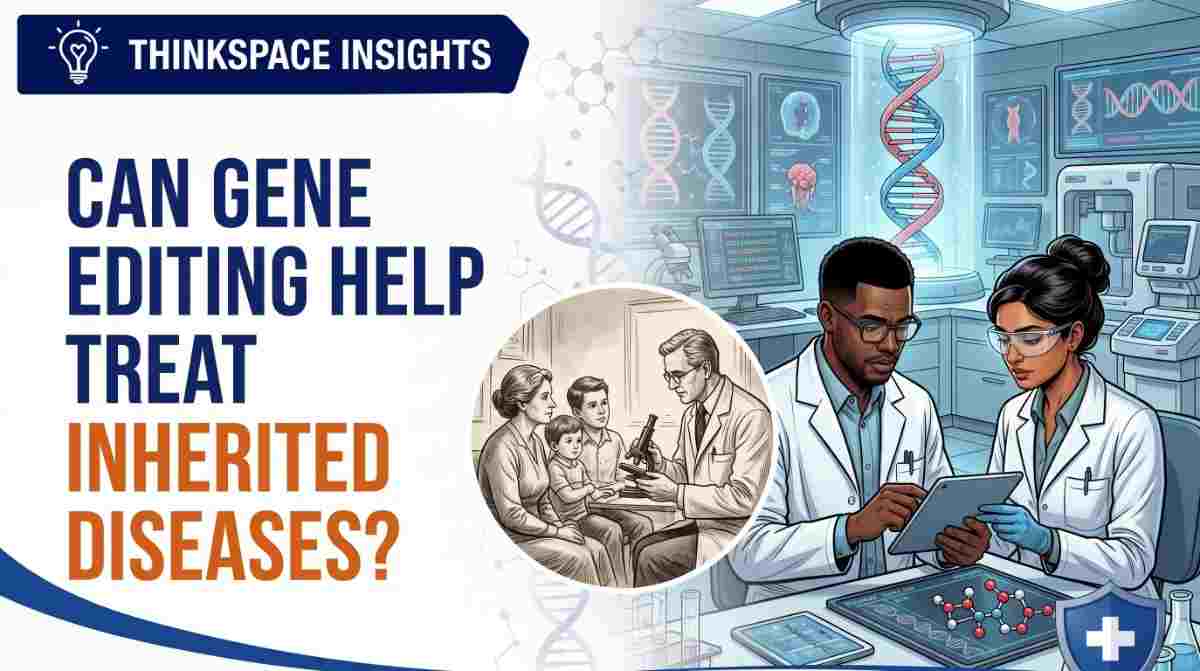

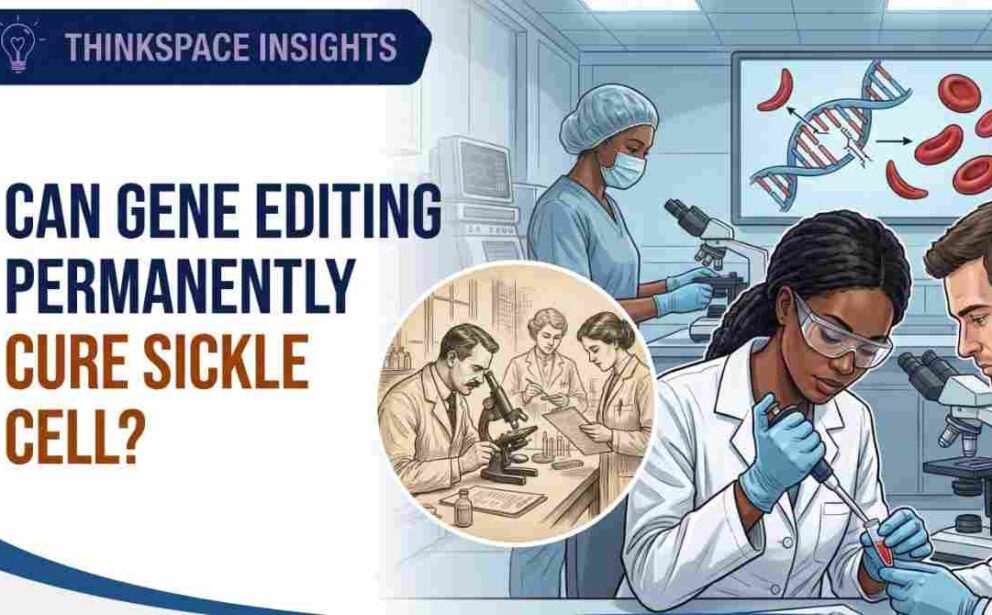
Think of a manufacturing plant that produces millions of perfectly round, flexible rubber balls to flow through a complex network of pipes. If a single line of code in the factory’s central computer gets corrupted, the plant suddenly starts producing rigid, crescent-shaped blocks that instantly jam the pipes, shutting down the entire system. In the human body, this corrupted code is a genetic mutation in the beta-globin gene, and the resulting biological traffic jam is known as sickle cell anemia. For decades, doctors have only been able to temporarily clear these jams, but modern science is finally learning how to rewrite the factory’s underlying software.
Sickle cell anemia is a severe, inherited blood disorder that radically alters the fundamental structure of red blood cells. Because of a specific point mutation, the body produces abnormal hemoglobin S, which polymerizes under deoxygenated conditions and forces flexible red blood cells to deform into rigid, sickle-shaped structures. These misshapen cells physically jam within the microcirculation, resulting in recurrent and agonizing vaso-occlusive episodes, chronic inflammation, progressive organ damage, and a severely reduced quality of life. Until recently, conventional therapeutic approaches like hydroxyurea therapy and repeated blood transfusions could only reduce the disease’s severity, leaving the underlying genetic defect completely untouched.
To comprehensively evaluate the shift from merely managing symptoms to potentially curing the disease, a research team led by Vaishnavi Vinod Dere conducted a detailed clinical review. Published in Biosciences Biotechnology Research Asia, the study examines the emergence of gene therapy and CRISPR-based interventions in the treatment of sickle cell disease. The researchers focused specifically on analyzing current genome editing strategies, carefully evaluating their mechanisms of action, overall therapeutic potential, clinical trial outcomes, and the massive logistical challenges associated with their implementation.
The most significant breakthrough highlighted in the review is the recent FDA approval of Casgevy, a revolutionary genome-editing therapy utilizing CRISPR-Cas9 technology. Instead of relying on lifelong medication, this treatment involves extracting a patient’s own autologous hematopoietic stem cells and modifying their regulatory elements at the molecular level. Specifically, the gene editing forces the cells to reactivate the production of fetal hemoglobin. Once these edited cells are reintroduced into the patient’s body, the high levels of fetal hemoglobin effectively inhibit the polymerization of the abnormal sickle hemoglobin, successfully preventing the red blood cells from sickling in the first place.
Clinical trials have demonstrated that this single-administration treatment provides substantial clinical benefits, including a marked reduction in painful vaso-occlusive episodes and a newfound independence from regular blood transfusions for patients twelve years and older. However, the researchers emphasize that this promising cure is accompanied by severe implementation challenges. The medical community must still navigate serious risks regarding unintended genomic modifications and the severe toxicities associated with the conditioning regimens required before the edited cells can be safely transplanted.
Furthermore, the astronomical financial costs and limited accessibility of these advanced treatments pose massive ethical hurdles. Ultimately, while gene therapy represents an incredibly powerful, potentially curative approach for sickle cell disease, it is not a simple fix. The researchers conclude that achieving safe, effective, and equitable clinical implementation will require continuous advancements in technology, rigorous ethical oversight, and sweeping changes to global healthcare policy to ensure this scientific miracle reaches the patients who need it most.
ThinkSpace Insights
- The biological traffic jam, as a single genetic mutation causes red blood cells to form rigid, sickle shapes that physically block microcirculation and cause severe organ damage.
- Beyond symptom management, noting that conventional treatments only alleviate severity, whereas gene therapy targets and corrects the underlying genetic defect at the molecular level.
- A revolutionary approval, highlighting the development of Casgevy, the first approved CRISPR-Cas9 genome-editing therapy for patients aged twelve and older.
- Reactivating the past, explaining that the gene-editing mechanism modifies stem cells to produce fetal hemoglobin, which effectively stops the sickling process from occurring.
- Significant medical hurdles, warning that the treatment faces major clinical challenges, including the risk of unintended genomic modifications and highly toxic conditioning regimens.
- The accessibility crisis, concluding that the astronomical costs of this single-administration cure demand sweeping healthcare policy changes to ensure equitable global access.
Access Full Article