Think of a medieval fortress trying to defend against an invading army that constantly changes its uniforms, weapons, and tactics. If the fortress guards are only trained to recognize one specific disguise, the invaders will inevitably slip through the gates. In the human body, the Plasmodium parasite—the microscopic invader that causes malaria—operates with this exact same deceptive strategy. Because the parasite features a complex, multi-stage life cycle, it effectively evades the human immune system and prevents long-lasting natural immunity. To finally secure the fortress walls, medical researchers have spent decades developing advanced vaccines designed to break these transmission cycles and reduce the overall parasite reservoir.
Despite persistent global battles utilizing vector control and chemoprevention, malaria remains one of the most devastating public health crises on the planet. The human toll is staggering; globally, in 2023 alone, 243 million cases of malaria were reported, resulting in a horrifying mortality rate of 597,000. This burden is highly unequal, with a massive 94.0% of all malaria cases originating in Africa, and vulnerable children under the age of five tragically accounting for 79.0% of all malaria-related deaths. Developing an effective vaccine to protect this highly vulnerable population has been a critical priority for the World Health Organization (WHO) since research initially began in the 1960s.
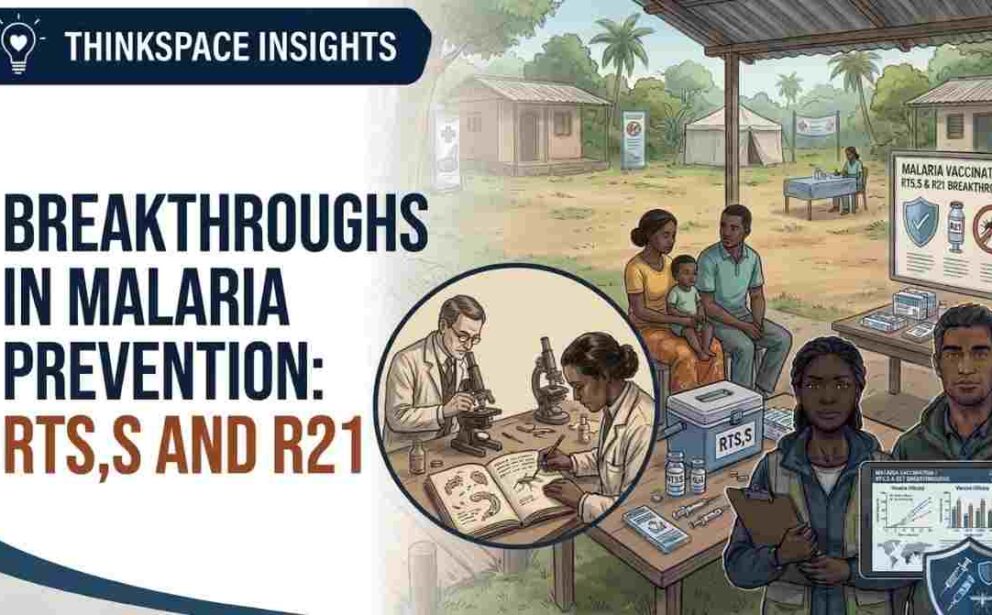
To evaluate the current frontlines of this medical battle, a research team led by Hafsah Asjad conducted a rigorous systematic review and meta-analysis. Published in the Journal of Infection and Public Health, the study aimed to comprehensively evaluate and compare the efficacy and immunogenicity of the two most novel, currently available WHO-approved malaria vaccines: RTS,S/AS01 and R21/Matrix-M. The researchers specifically focused exclusively on high-quality Phase III randomized controlled trials involving children under five years old, meticulously screening records from PubMed, Scopus, and Cochrane databases published between 2000 and 2024.
The synthesis of this high-quality trial data revealed highly encouraging results for both breakthrough interventions. The analysis showed that the RTS,S/AS01 vaccine provides significant protection, delivering a 23.0% malaria risk reduction (a risk ratio of 0.77) in the 6–12-week age group. For slightly older infants in the 5–17-month age group, the risk ratio for malaria risk reduction improved to 0.61. In comparison, the newer R21/Matrix-M vaccine displayed exceptionally high efficacy during trials, demonstrating a low event rate of just 0.22.
However, deploying these biological shields requires careful, ongoing medical management. A critical finding of the meta-analysis was that the protective efficacy of the vaccines visibly declined over time. This stark reality highlights the absolute importance of administering a booster dose to maintain the immune system’s defensive memory. Furthermore, while both the RTS,S/AS01 and R21/Matrix-M vaccines proved safe and successfully generated strong antibody responses across all pediatric age groups, the data indicated that the R21 vaccine was associated with more frequent adverse events.
Ultimately, while translating these complex trial outcomes into real-world impact requires continuous monitoring of host immunity and parasite diversity, the medical consensus is incredibly optimistic. The researchers conclude that compared to prior fragmented reviews, this consolidated data proves both breakthrough vaccines are actively paving the way toward total global malaria elimination. By utilizing these powerful new tools in conjunction with traditional prevention methods, global health organizations now have a realistic path to drastically reduce pediatric morbidity and mortality across the world’s most endemic regions.
ThinkSpace Insights
- The changing invader, as the Plasmodium parasite utilizes a complex, multi-stage life cycle to actively evade the human immune system and prevent long-lasting natural immunity.
- A devastating toll, noting that in 2023, malaria caused 597,000 deaths globally, with children under five in Africa tragically accounting for the vast majority of these fatalities.
- Evaluating the frontlines, with researchers conducting a rigorous meta-analysis of Phase III randomized controlled trials to compare the RTS,S/AS01 and R21/Matrix-M vaccines.
- Proven protection, revealing that the RTS,S/AS01 vaccine significantly reduced malaria risk, achieving a risk ratio of 0.61 in the 5–17-month age group.
- The booster requirement, highlighting that because vaccine efficacy naturally declines over time, administering a booster dose is critically important for maintaining pediatric immunity.
- Paving the way, concluding that these two breakthrough WHO-approved vaccines offer a realistic path toward total malaria elimination and massive reductions in childhood mortality.
Access Full Article