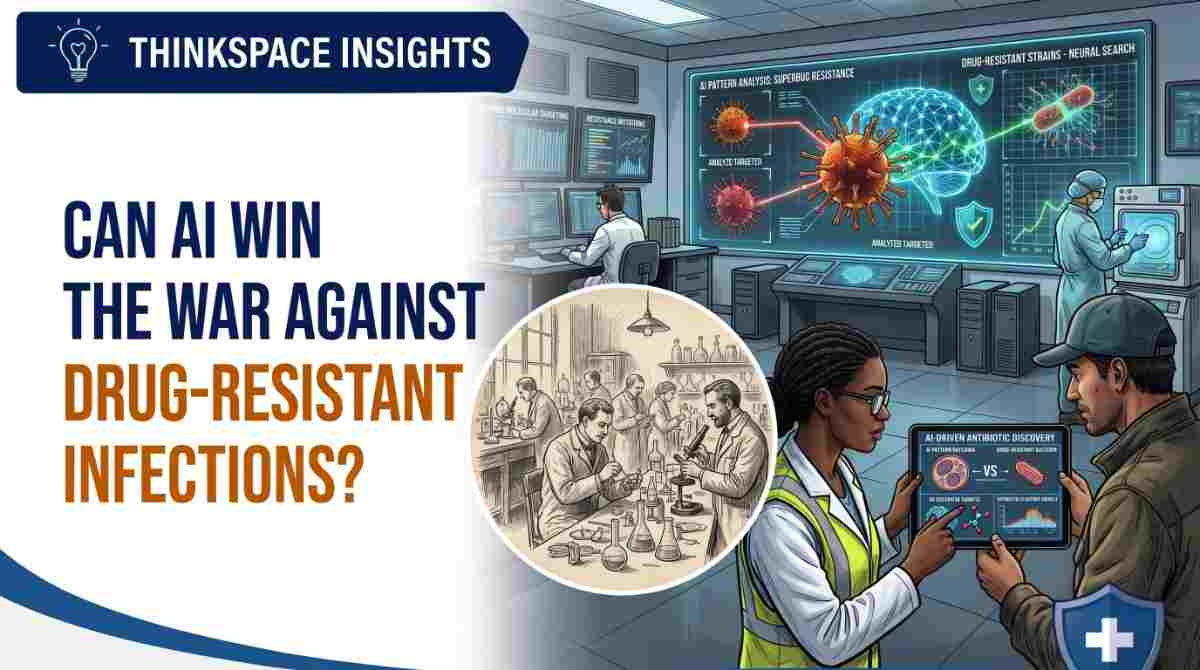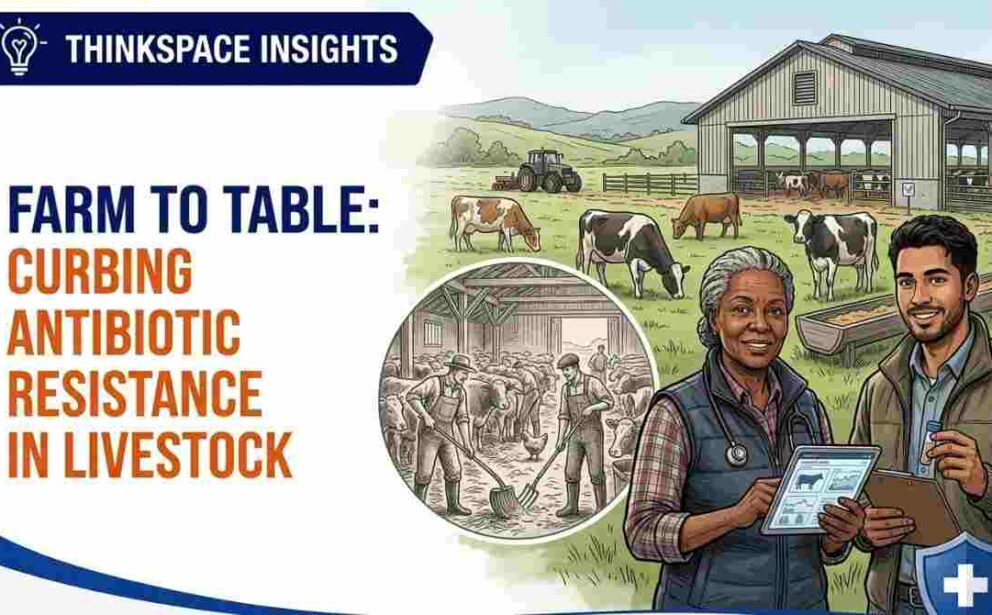
The accelerated spread of bacterial resistance is actively reducing the effectiveness of critical antibiotic treatments across the globe. This escalating public health crisis directly results in higher morbidity and mortality rates, while simultaneously driving up operational costs for livestock producers. As documented, researchers warn that the vast majority of future antimicrobial use is expected to be heavily concentrated within global animal production.
Managing antimicrobial resistance (AMR) within the agricultural sector poses massive, multifaceted challenges. To identify appropriate and effective solutions, scientists emphasize the absolute necessity of developing a comprehensive understanding of the underlying disease dynamics. Specifically, researchers must decode exactly how this dangerous antimicrobial resistance is actively transmitted back and forth between human populations and animal herds.
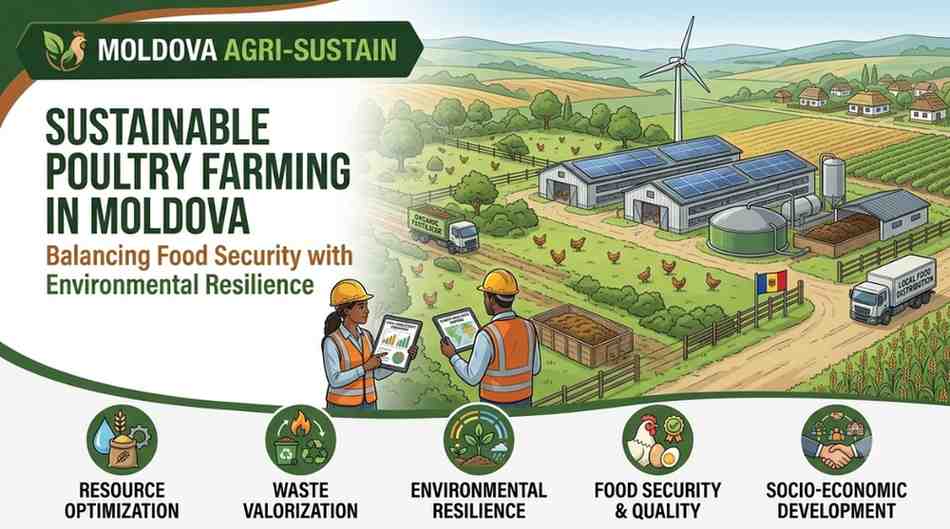
As the agricultural industry rapidly scales up to satisfy a growing global demand for food, the environmental risks of this transmission multiply. The study argues that it is imperative to guarantee that antibiotic resistance is not inadvertently propagated during the routine treatment and disposal of animal waste. This biological risk is particularly acute in intensive farming environments, where large concentrations of livestock produce massive volumes of waste that can easily contaminate the surrounding ecosystem.
To combat this systemic threat, the review stresses the crucial need to formulate a targeted research agenda focused on investigating how intensified farming activities directly affect the antibiotic resistance found in animal faeces. The paper thoroughly analyzes the broader environment’s critical role within the transmission resistance chain and reviews current methodologies designed to disrupt this dangerous link. Ultimately, the researchers place a particular focus on identifying the glaring limitations of currently applied methodologies, urging the development of stronger, more effective strategies to reduce AMR in global animal production.
ThinkSpace Insights
- Antibiotic effectiveness is dropping, as the accelerated spread of bacterial resistance directly leads to higher morbidity and mortality rates.
- Livestock drives future use, with experts expecting that the vast majority of future antimicrobial consumption will occur within animal production.
- Transmission dynamics are complex, requiring a much deeper understanding of exactly how resistance moves between human populations and animals.
- Animal waste is a major vector, making it absolutely imperative to prevent the propagation of resistance during the disposal of agricultural waste.
- Intensive farming heightens risk, highlighting the urgent need to research how intensified agricultural activities affect resistance levels in animal faeces.
- Current methods have limitations, with the review specifically focusing on the critical shortcomings of existing strategies used to disrupt the environmental transmission chain.
Access Full Article