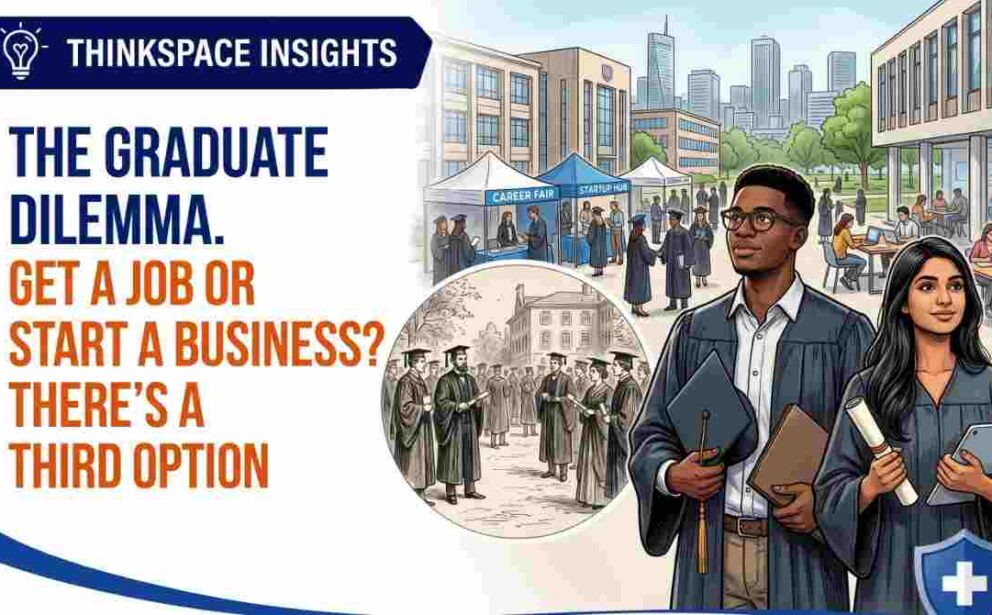
High youth unemployment and ongoing economic challenges frequently force young graduates into a stressful ultimatum: pursue the safety of traditional government employment or take a massive financial risk by launching a startup. However, an emerging career path suggests that these young professionals do not necessarily have to choose. A recent study by Mozhdeh Maleki, Kurosh Rezaei-Moghaddam, and Mahsa Fatemi examines the growing trend of “hybrid entrepreneurship” in Iran, exploring how bridging the gap between stable public-sector jobs and innovative business ventures can offer a highly sustainable future for the next generation of the workforce.
To understand the specific career priorities driving these decisions, the research team utilized the Analytic Hierarchy Process (AHP) and Expert Choice software to evaluate nine distinct economic and social criteria. The study surveyed a highly targeted sample of 60 participants, divided equally into four key groups: private business owners, active hybrid entrepreneurs, managers of agricultural government organizations, and university faculty members. By comparing these diverse demographics, the researchers were able to precisely map how different professionals weigh the pros and cons of full-time entrepreneurship versus government employment.
The findings reveal that a professional’s current role heavily dictates their primary career values. Unsurprisingly, private business owners heavily prioritize total job independence and operational flexibility above all else. On the opposite end of the spectrum, government managers and academic faculty members place the highest value on strict job security and long-term stability. Hybrid entrepreneurs, however, occupy a strategic middle ground; their primary focus is on maximizing their business capability while actively and deliberately reducing their personal financial risk.
By maintaining a stable job while simultaneously building a business, hybrid entrepreneurs effectively insulate themselves from the harsh economic realities that typically crush early startups. The researchers conclude that this dual-track approach offers a highly sustainable and practical career path for Iranian youth navigating a difficult economy. To fully capitalize on this model, the study calls for policymakers and educational institutions to actively develop new programs designed to formally foster and support hybrid entrepreneurship and innovation among young graduates.
ThinkSpace Insights
- The ultimate middle ground, as hybrid entrepreneurship allows young professionals to combine the safety of a public-sector paycheck with the innovative drive of a startup.
- Economic realities drive the trend, with high youth unemployment in Iran making hybrid models a highly attractive, risk-reducing alternative to full-time entrepreneurship.
- Career priorities vary wildly, as the study proved private owners seek independence, while government workers and faculty prioritize strict job security.
- Risk reduction defines the hybrid model, with these dual-track professionals specifically prioritizing business capability alongside the safety net of formal employment.
- AHP methodology mapped the data, analyzing nine distinct economic and social criteria across a diverse group of 60 working professionals.
- New educational policies are needed, prompting researchers to call for targeted institutional support to foster this sustainable career path for recent graduates.
Access Full Article