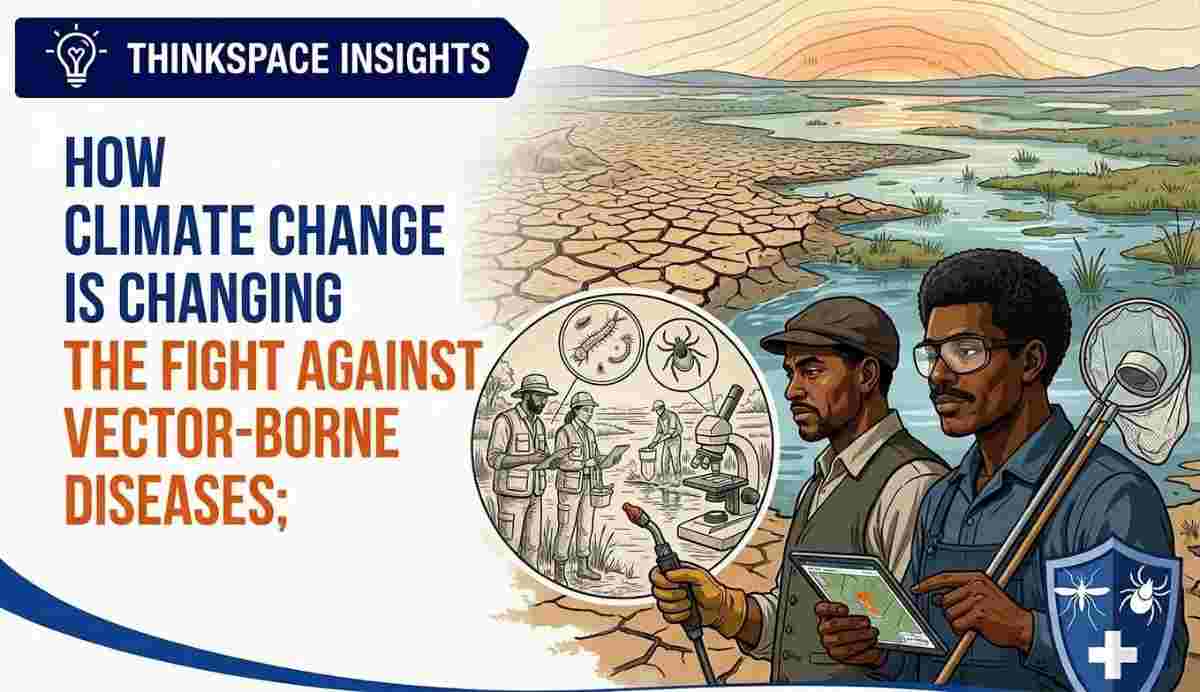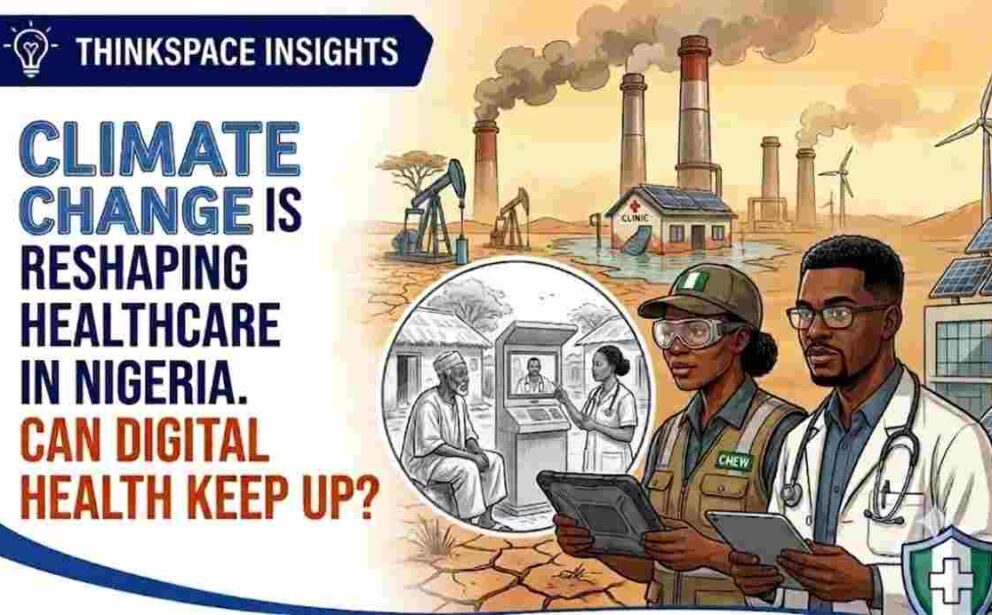
When extreme weather hits, the immediate focus is usually on flooded roads, damaged homes, and the physical safety of the community. But behind the scenes, climate change is quietly waging war on Nigeria’s healthcare infrastructure. From devastating floods that wash out access to rural clinics to scorching heatwaves that knock out unstable power grids, the changing environment is actively disrupting essential medical services. When the lights go out and the communication networks crash, doctors are left stranded, and patients are cut off from the life-saving care they desperately need.
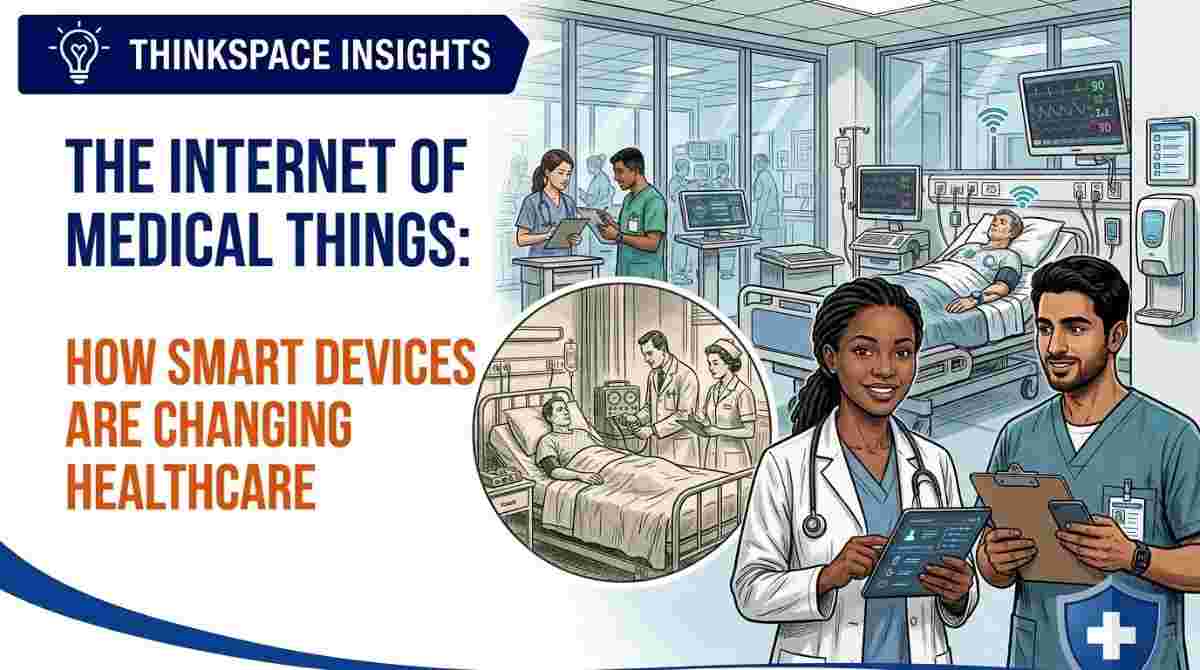
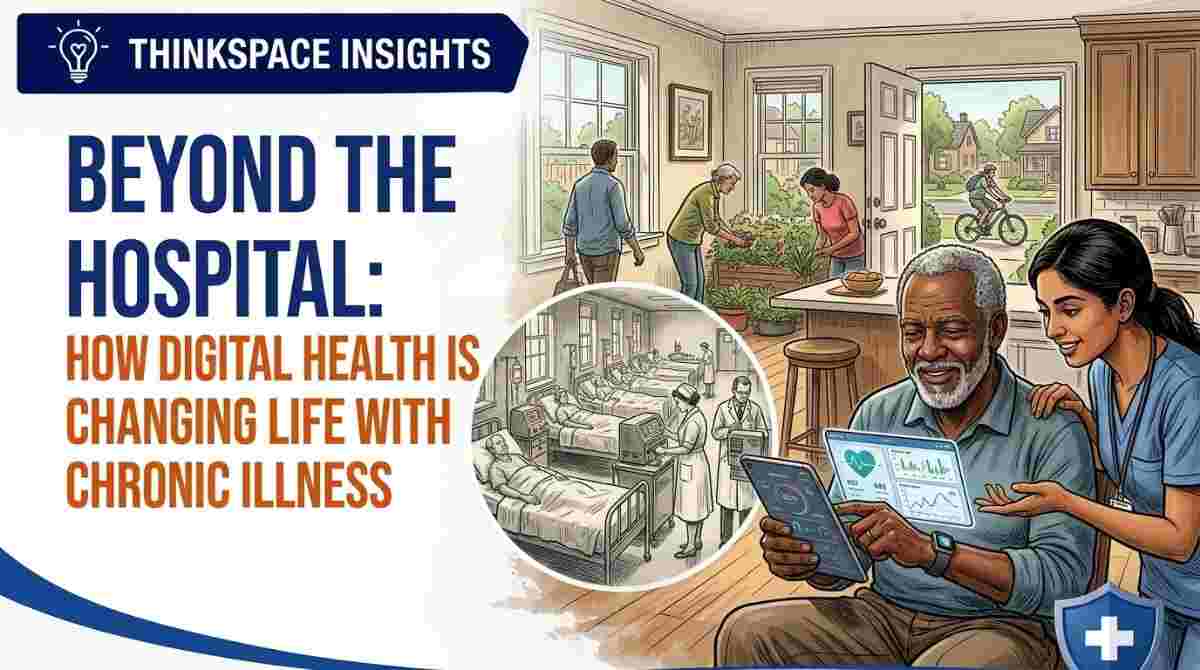
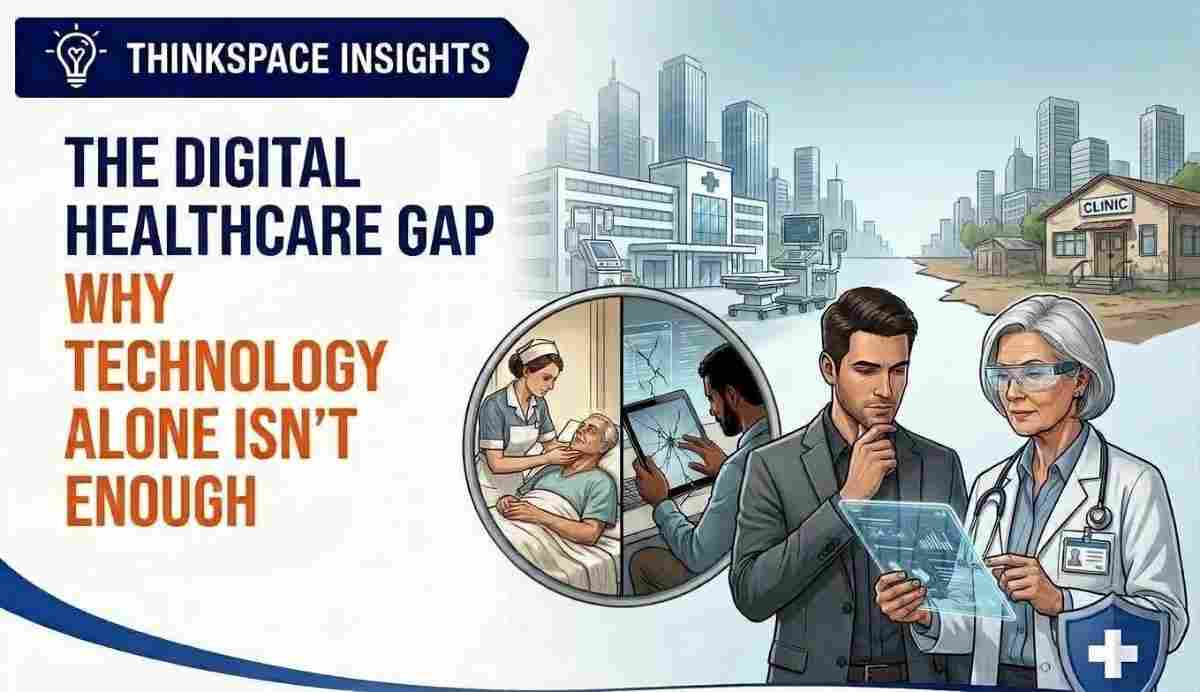
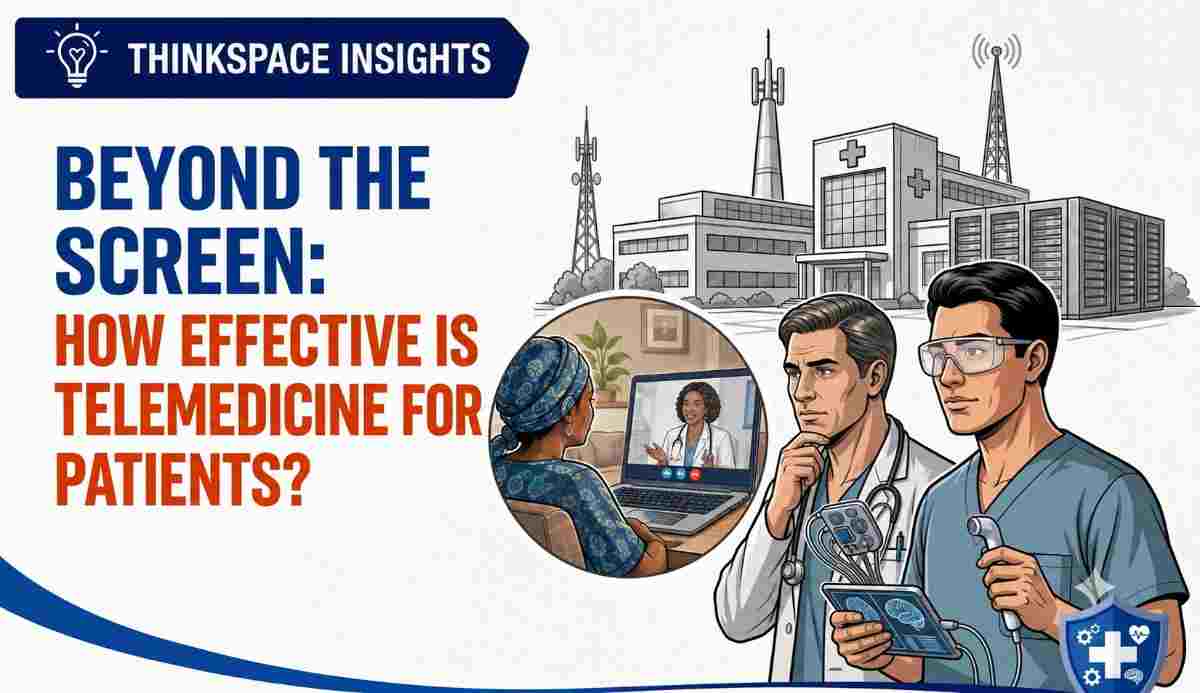
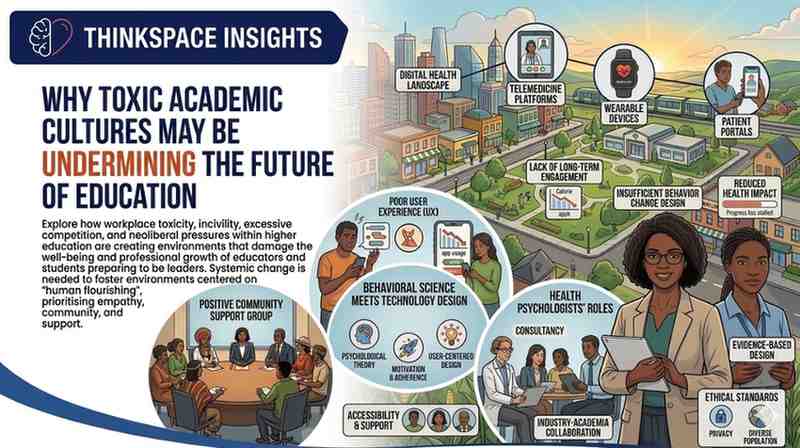
To bypass these physical roadblocks, the Nigerian medical sector has increasingly turned to the digital world. The rapid adoption of e-health technologies—like telemedicine platforms, electronic health records, and mobile health apps—feels like the perfect solution. If a patient cannot physically reach a flooded hospital, a doctor can diagnose them over a video call. If paper records are destroyed in a storm, cloud-based data remains safe. But there is a massive, often overlooked catch: these digital lifelines are completely dependent on electricity and internet connectivity, making them just as vulnerable to climate disasters as the physical hospitals themselves.
To understand how to bulletproof these digital systems, a recent review published in the Aminu Kano Academic Scholars Association Multidisciplinary Journal analyzed the intersection of climate adaptation and digital health in Nigeria. The researchers mapped out exactly what it takes to build an e-health system that doesn’t just crash when the weather turns hostile. They identified five critical pillars for survival: building climate-resilient digital infrastructure, prioritizing disaster preparedness, integrating climate data for early warning systems, securing institutional policy support, and—perhaps most importantly—aggressively adopting renewable energy sources.
Despite this clear roadmap, the reality on the ground remains deeply frustrating. The transition to a weather-proof digital health system is constantly dragged down by a familiar set of hurdles. Inadequate funding, notoriously unreliable national electricity grids, and weak digital infrastructure mean that many clinics struggle to keep their servers online even on a sunny day. When you add a lack of technical capacity and poor policy implementation into the mix, it becomes obvious that simply buying new computers or launching an app is not going to fix the underlying fragility of the system.
Ultimately, this research delivers a powerful wake-up call to policymakers and health administrators: we can no longer treat environmental issues and digital health as two separate conversations. Climate adaptation must be baked into the very foundation of how Nigeria plans its healthcare future. By heavily investing in localized solar power, disaster-ready tech infrastructure, and aggressive public-private partnerships, the country can ensure its digital health revolution actually survives the storms ahead. If we want sustainable, accessible healthcare, we have to build systems that refuse to go dark.
ThinkSpace Insights
- Climate change is directly attacking healthcare access, with extreme weather and flooding physically isolating clinics and destroying traditional medical infrastructure.
- Digital health offers a crucial lifeline, using telemedicine and electronic records to maintain patient care even when physical transportation is impossible.
- E-health systems have their own fatal flaw, as their reliance on stable electricity and internet makes them highly vulnerable to the exact same climate disasters.
- Renewable energy is the ultimate fail-safe, proving that shifting clinics to solar power and independent grids is non-negotiable for digital resilience.
- Systemic barriers are stalling progress, with chronic underfunding, a weak national grid, and poor technical training preventing true digital modernization.
- Environmental and digital planning must merge, requiring policymakers to proactively integrate climate adaptation strategies directly into healthcare management
Access Full Article