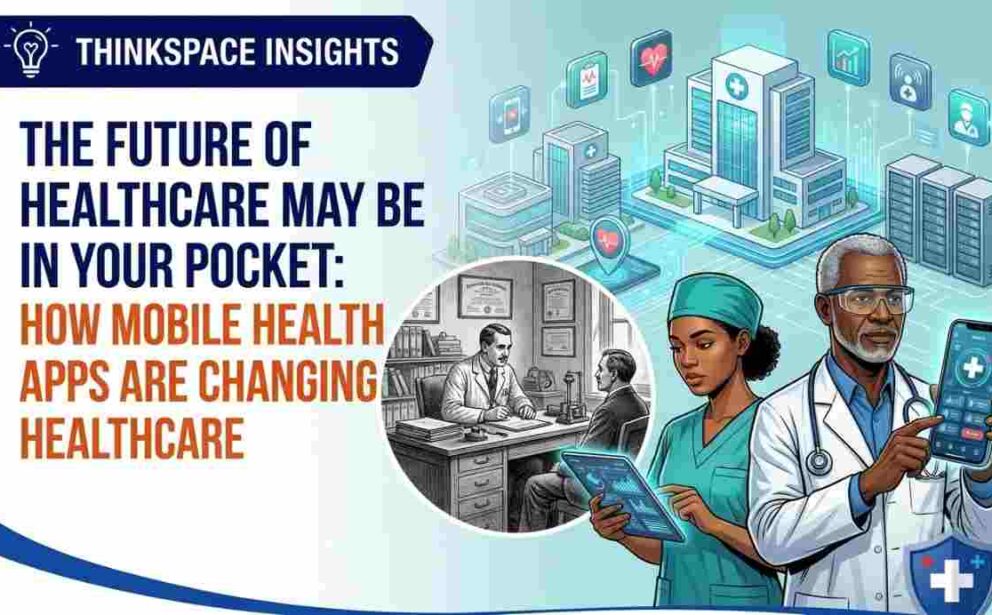
Not that long ago, our mobile phones had one basic job: making calls and sending the occasional, painstakingly typed text message. They were simple communication devices, meant to keep us connected to our friends and family while we were away from a landline. Today, however, that little rectangle of glass and metal in your pocket has quietly transformed into something entirely different. It is no longer just a phone; it is a highly sophisticated, incredibly powerful computing platform that is fundamentally changing how we interact with the world around us. And surprisingly, the sector experiencing the most dramatic revolution from this pocket-sized technology isn’t entertainment or social media—it is our personal health.
To understand exactly how this digital shift is redefining medicine, researchers Sanjay Kumar, Vivek Agrawal, and Kuldeep Singh Kaswan recently explored the rapidly evolving landscape of mobile technology. Their work highlights a monumental leap: we have moved far beyond the days of simple step-counters. Today’s smartphones are built to support a massive array of advanced applications capable of executing complex, critical tasks in personal health management.
The secret behind this medical revolution lies in the hardware we already take for granted. Health applications are now ingeniously leveraging the built-in features of your smartphone—like its advanced motion sensors, precise GPS tracking, and relentless internet connectivity—to deliver real-time healthcare solutions right to your fingertips. Instead of waiting weeks for a clinic appointment, patients are carrying a localized health hub with them everywhere they go, turning everyday devices into proactive medical monitors.
The real-world applications of these mobile health (mHealth) tools are staggering. On a basic level, they make tracking daily calories, sleep patterns, and exercise routines effortless. But more importantly, they are completely revolutionizing how we handle serious medical care. Patients are now using these mobile applications to actively manage severe chronic conditions, monitor their vitals, and even conduct seamless remote consultations with their doctors from the comfort of their own living rooms.
As we look to the future, this is clearly just the beginning of the mobile healthcare boom. With ongoing, rapid advancements in mobile technology, these apps are being integrated with massive cloud computing networks, big data analytics, and artificial intelligence. What started as a convenient way to track a morning jog is now poised to become an absolutely integral, foundational component of the entire modern healthcare system. The doctor is no longer just in the clinic; the doctor is in your pocket
ThinkSpace Insights
- Phones are now powerful computing platforms, having evolved from simple communication devices into sophisticated tools capable of complex daily tasks.
- Built-in hardware drives the innovation, with modern health apps aggressively leveraging smartphone sensors, GPS, and internet connectivity to deliver care.
- Mobile apps are revolutionizing everyday healthcare, bridging the gap between simple fitness tracking and comprehensive, clinical health management.
- Chronic condition management is going digital, empowering patients to actively monitor severe illnesses and engage in remote medical consultations.
- Advanced tech integration is supercharging these apps, combining mobile platforms with artificial intelligence, big data analytics, and cloud computing.
- Smartphones are the future of the medical system, rapidly shifting from optional wellness accessories to integral, permanent components of modern healthcare delivery.
Access Full Article