
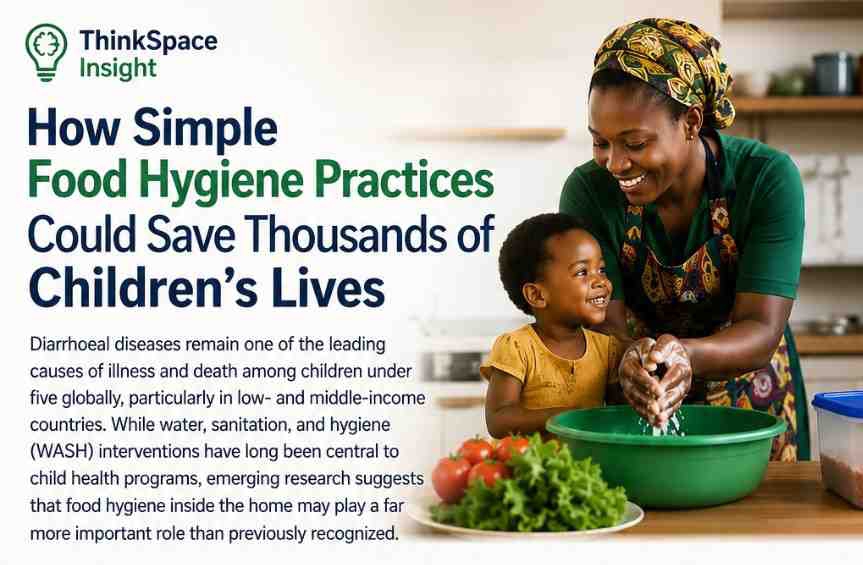
Diarrhoeal diseases remain one of the leading causes of illness and death among children under five globally, particularly in low- and middle-income countries. While water, sanitation, and hygiene (WASH) interventions have long been central to child health programs, emerging research suggests that food hygiene inside the home may play a far more important role than previously recognized.
A recent systematic review and meta-analysis published in BMJ Global Health examines how domestic food hygiene interventions affect the microbiological quality of children’s food and the risk of childhood diarrhoea.
The study, led by Laura Braun and colleagues, analyzed evidence from multiple controlled trials investigating whether food hygiene interventions can reduce food contamination and improve child health outcomes.
Foodborne illnesses are a major source of diarrhoeal disease among children, particularly through exposure to contaminated complementary foods prepared and stored in unsafe conditions. However, evidence regarding the effectiveness of food hygiene interventions has remained limited and inconsistent.
To address this gap, the researchers reviewed studies from nine databases and included randomized and non-randomized controlled trials that specifically evaluated food hygiene interventions with measurable child health outcomes.
Out of more than 15,000 records screened, 11 studies met the inclusion criteria. The researchers focused on two major outcomes:
1. The microbiological quality of children’s food
2. Rates of childhood diarrhoea among children under five
The findings showed encouraging evidence that domestic food hygiene interventions can improve food safety and reduce diarrhoeal disease.
Three out of four studies assessing food contamination reported reductions in harmful bacteria such as Escherichia coli and faecal coliforms in children’s food after hygiene interventions were introduced.
Importantly, the meta-analysis found that standalone food hygiene interventions reduced childhood diarrhoea by approximately 51%, suggesting that targeted food hygiene practices may significantly improve child health outcomes.
However, the findings also revealed an important distinction. Food hygiene interventions that were combined with broader WASH, nutrition, or childhood development programs did not show the same level of effectiveness.
According to the researchers, combined intervention packages showed no clear evidence of reducing childhood diarrhoea, raising questions about whether food hygiene interventions may lose effectiveness when diluted within larger multi-component programs.
The study highlights the importance of focused, dedicated food hygiene strategies rather than assuming broader public health packages will automatically achieve similar results.
The researchers also noted that the certainty of evidence was moderate for food contamination outcomes and low for diarrhoea outcomes, partly due to variations in study quality and risk of bias across some included studies.
Nevertheless, the findings reinforce the growing recognition that household food handling practices are critical drivers of child health, especially during the early years of life when children are highly vulnerable to foodborne infections.
The study suggests that improving how caregivers prepare, store, and serve children’s food could become a highly effective public health strategy for reducing preventable childhood illnesses.
ThinkSpace Insights
1. Promote Dedicated Food Hygiene Interventions
Public health programs should prioritize targeted food hygiene education and interventions focused specifically on safe child food preparation and storage.
2. Strengthen Caregiver Education on Food Safety
Parents and caregivers should receive practical guidance on hand washing, food storage, reheating, utensil hygiene, and safe feeding practices.
3. Improve Household Food Safety Awareness
Governments and health organizations should expand public health campaigns addressing foodborne disease prevention among young children.
4. Reevaluate Integrated WASH and Nutrition Programs
Policymakers should examine why standalone food hygiene interventions appear more effective than combined intervention packages in reducing childhood diarrhoea.
5. Prioritize Child Health in Low-Resource Communities
Communities with limited sanitation infrastructure and high diarrhoeal disease burden may benefit significantly from low-cost domestic food hygiene interventions.
The study ultimately demonstrates that preventing childhood diarrhoea may require greater attention to what happens inside the home kitchen. While large-scale sanitation and nutrition programs remain important, simple daily food hygiene practices could play a critical role in protecting children from preventable illness and improving child survival globally.
Read Abstract via https://gh.bmj.com/content/11/1/e018354