Think of your digestive system as a garden. You can plant specific, lab-verified seeds hoping they take root and improve the soil, or you can apply a rich, complex compost where a chaotic mix of microbes has already broken down organic matter to create a nutrient-dense environment. While the health and wellness industry frequently uses the terms interchangeably, “probiotics” (the specific seeds) and “fermented foods” (the complex compost) represent complementary yet distinct components of human nutrition. Understanding the precise differences between these two microbiological powerhouses is the first critical step to unlocking their true biological potential.
Modern commercial health marketing often confuses the public by inaccurately branding all fermented products as clinically proven probiotics. In reality, these are entirely distinct categories within food science and regulatory frameworks. Probiotics are strictly defined as live, clinically validated microorganisms that confer specific health benefits when consumed in adequate, strain-specific amounts. Conversely, fermented foods and beverages are the result of broad microbial transformations that enhance sensory and nutritional properties, but their actual microbial viability varies wildly and most of their strains have never undergone rigorous clinical evaluation.
To clarify this widespread confusion and guide the future development of functional foods, researcher Irene Dini authored a comprehensive narrative review. By systematically synthesizing current evidence from major databases like PubMed and Web of Science, the study aimed to properly evaluate the true nutraceutical properties of both fermented foods and probiotics. Crucially, the review also rigorously examined the associated safety considerations and the underlying technological factors that directly influence modern fermentation processes.
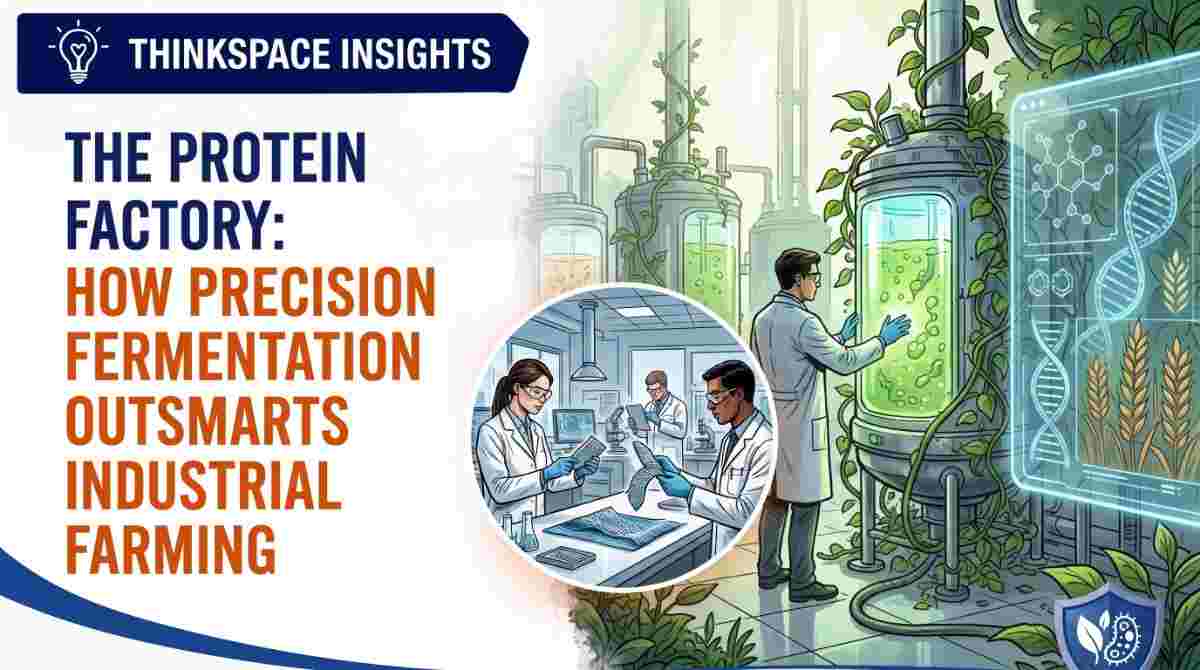
The underlying magic of both categories relies heavily on the metabolic activities of bacteria, yeasts, and filamentous fungi. During fermentation—an anaerobic metabolic process—these microbial communities actively convert carbohydrate-rich substrates into alcohols, organic acids, and gaseous by-products. This biochemical transformation synthesizes a wide array of bioactive compounds, including peptides, vitamins, and exopolysaccharides. Once ingested, these resulting microbial products exhibit powerful antimicrobial, immunomodulatory, antioxidant, and cholesterol-lowering activities within the human host.
However, harnessing this unpredictable microbial power for commercial health applications presents severe logistical challenges. The review highlights that inadequately controlled fermentation can accidentally introduce dangerous microbiological or chemical hazards into the food supply. Furthermore, the overarching regulatory frameworks governing microbial use in commercial foods remain insufficiently defined, and the industry currently lacks standardized procedures for the safe handling and precise characterization of these microscopic strains.
Overcoming these manufacturing and regulatory hurdles is absolutely essential for public health innovation. By advancing our deep understanding of microbial metabolism, scientists can successfully develop a new generation of targeted functional foods and nutraceuticals that safely leverage these biochemical transformations. The future of nutritional science relies on strictly defining the boundaries between verified probiotics and general fermented foods, ensuring that consumers receive the exact bioactive benefits they are promised without risking basic food safety.
ThinkSpace Insights
- Complementary but distinct, as probiotics are clinically validated, strain-specific live microorganisms, whereas fermented foods rely on broader, less predictable microbial transformations.
- A historical biotechnology, noting that microbial fermentation is one of the earliest human biotechnological processes used to enhance food preservation and sensory attributes.
- Synthesizing health, highlighting that microbial communities generate bioactive compounds like organic acids and vitamins that offer powerful antioxidant and immunomodulatory benefits.
- The viability problem, revealing that while fermented foods are healthy, their actual microbial viability varies wildly and most included strains have never undergone clinical evaluation.
- Hidden hazards, warning that inadequately controlled commercial fermentation processes can accidentally introduce severe microbiological or chemical hazards into consumer products.
- Regulatory gaps remain, emphasizing the urgent need for defined regulatory frameworks and standardized procedures for microbial strain handling to safely develop next-generation functional foods.
Access Full Article