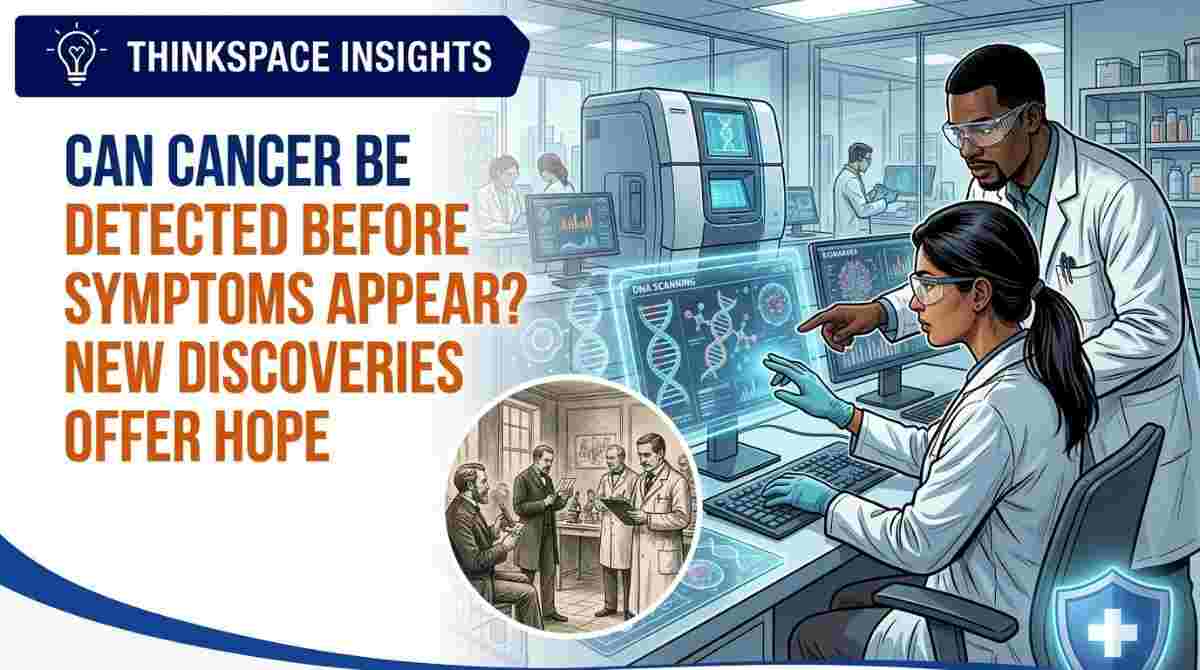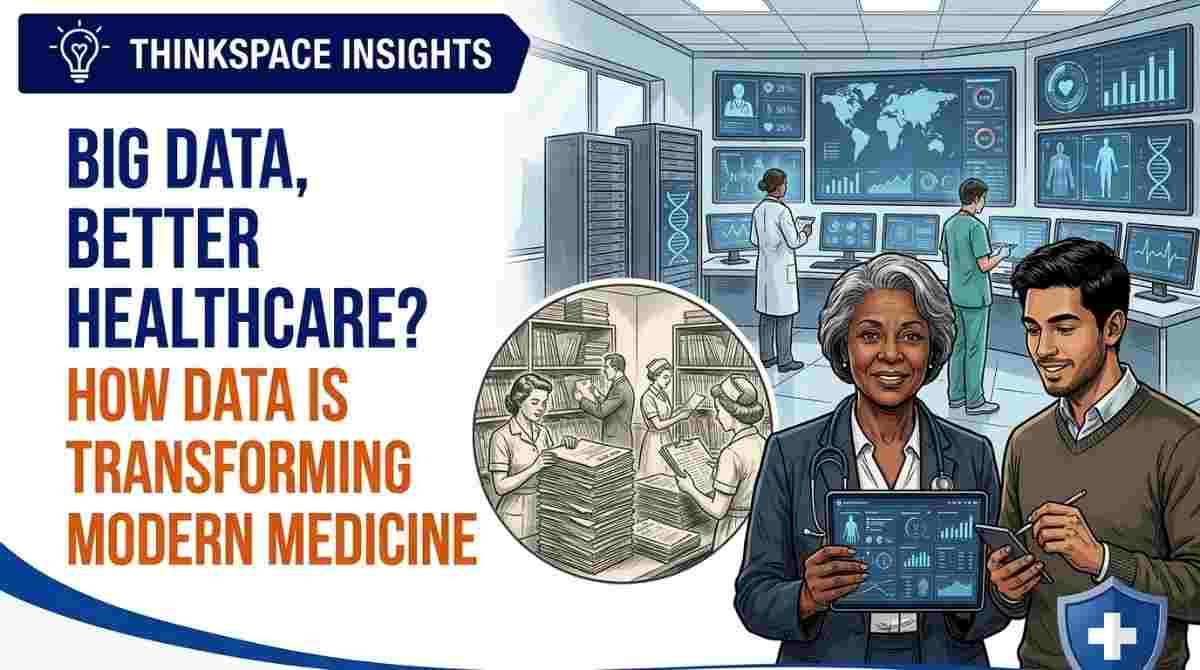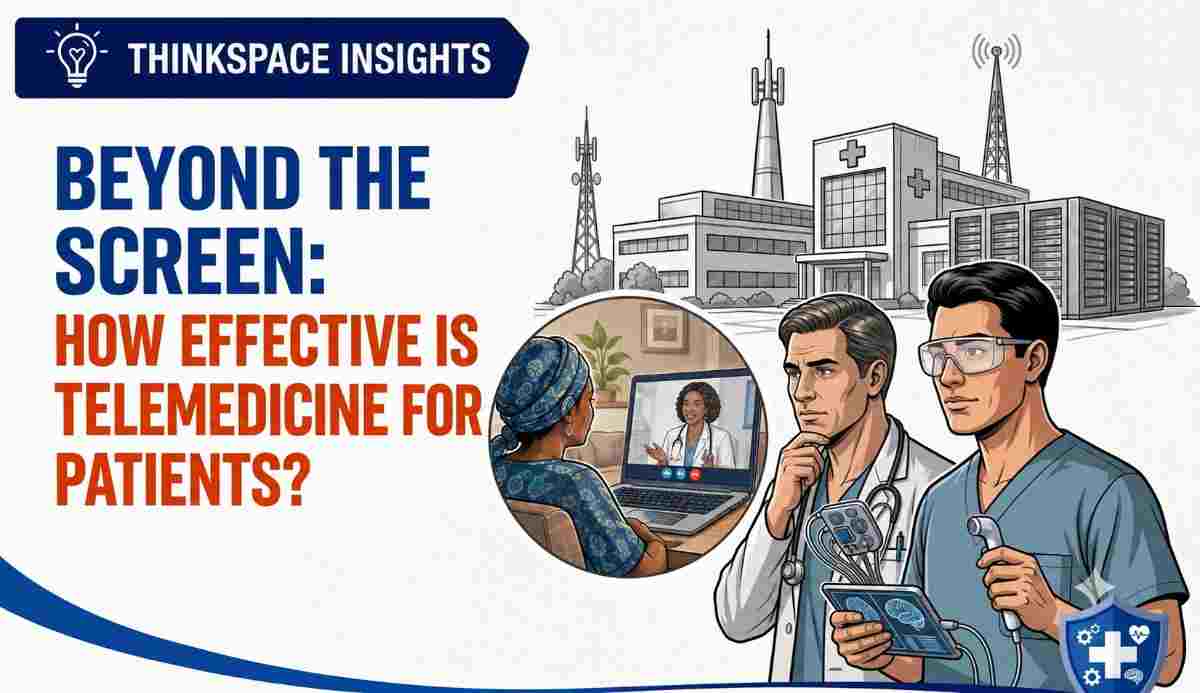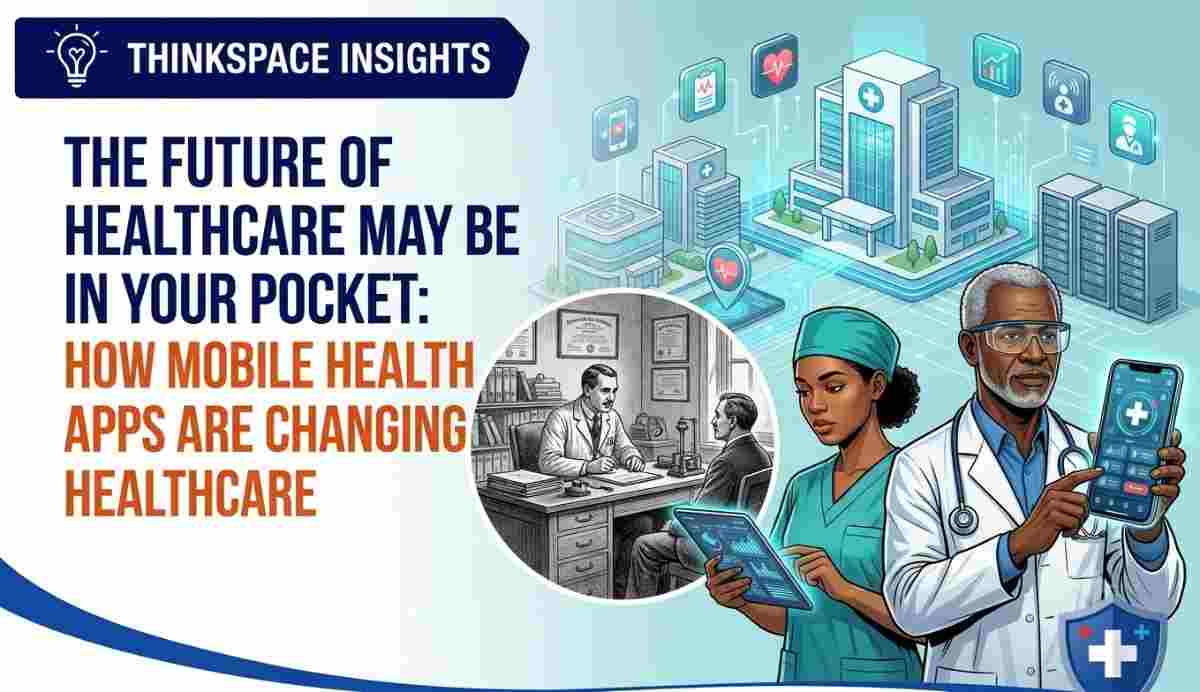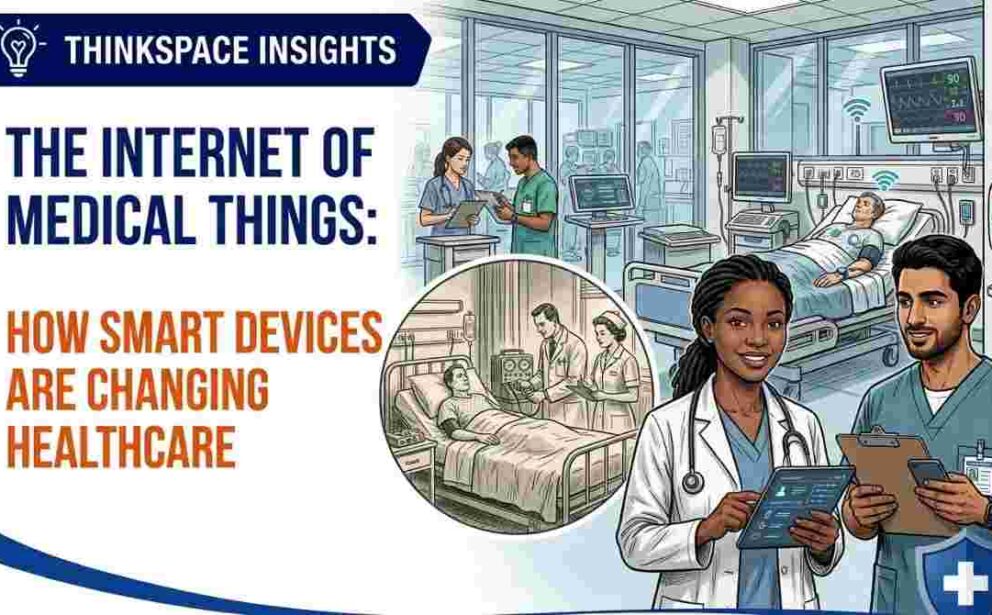
The Internet of Medical Things (IoMT) represents a transformative concept in modern healthcare, leveraging the power of interconnected devices and digital technology to significantly improve patient care and overall health outcomes. These specialized devices are typically connected to the internet or a dedicated network, allowing them to communicate seamlessly with one another to exchange critical medical data. By doing so, they provide invaluable, data-driven insights directly to healthcare providers, patients, and other key stakeholders within the medical ecosystem.
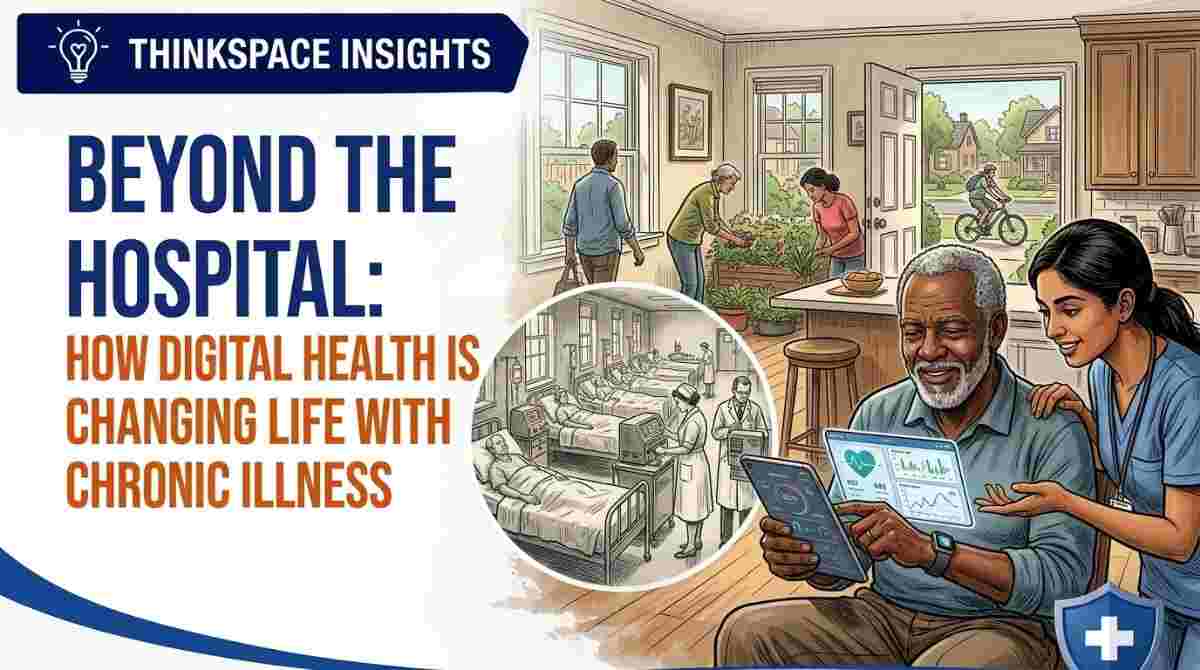
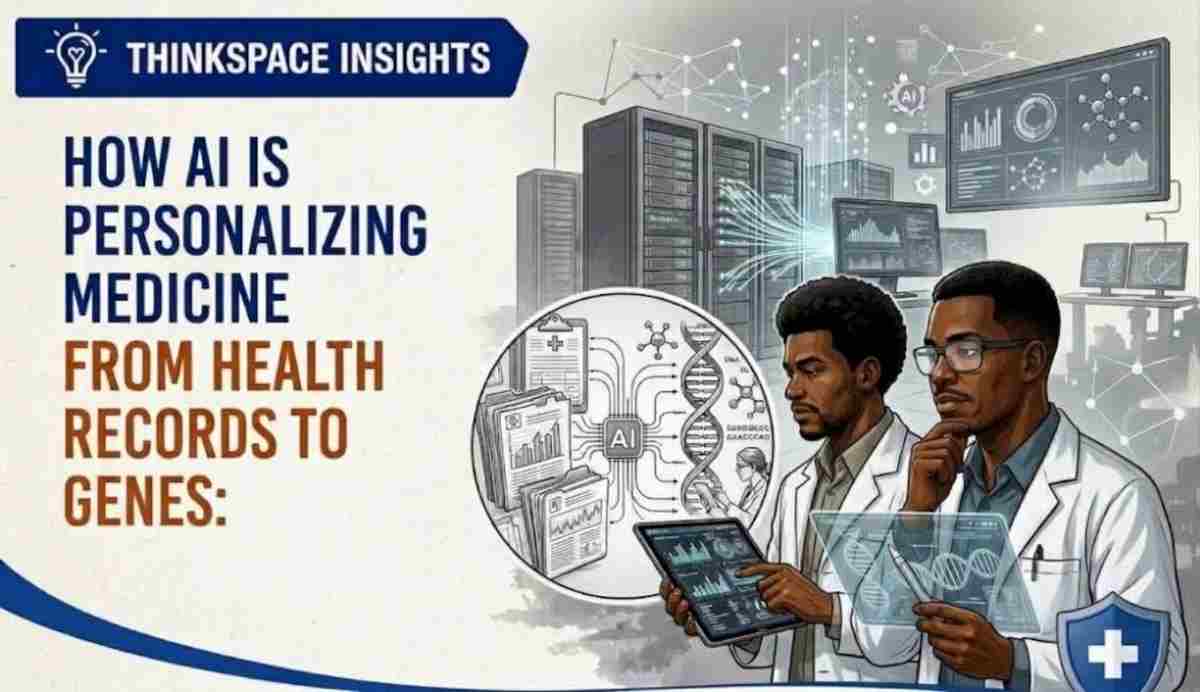
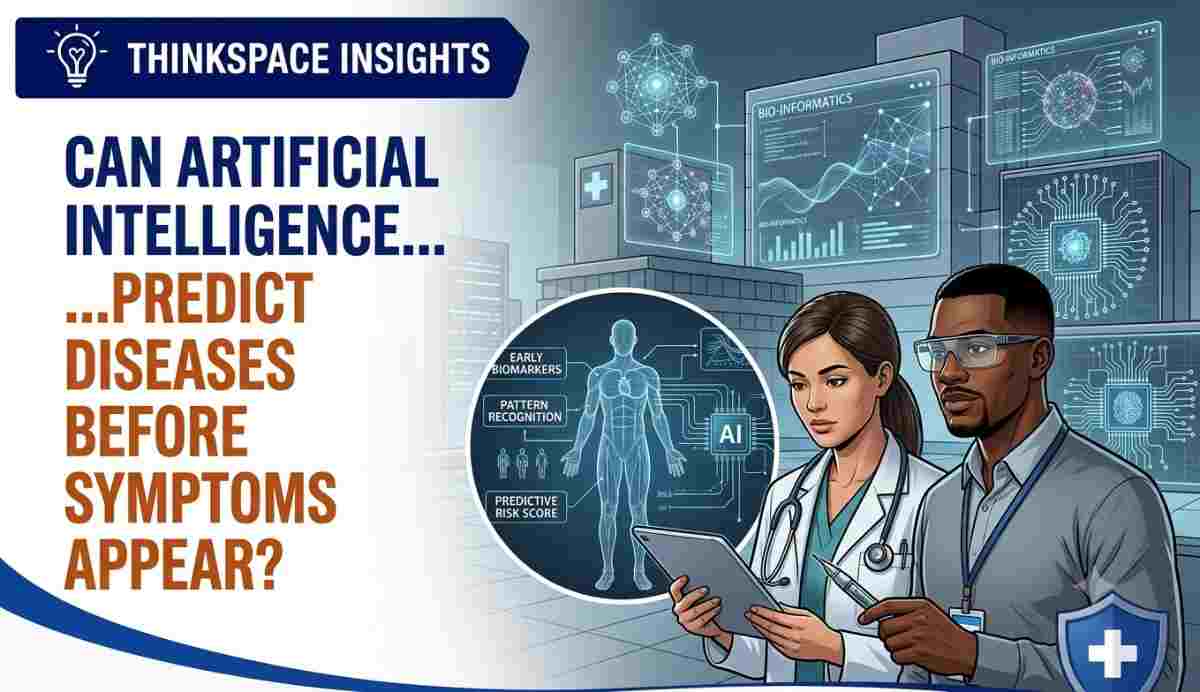
At its core, the IoMT utilizes advanced medical sensors to continuously capture real-time physiological data from patients. This continuous stream of biometric information is made instantly available to medical professionals, empowering them to rapidly diagnose, recognize, analyze, and make highly appropriate clinical decisions without relying solely on in-person visits. Furthermore, the system’s capabilities are vastly expanded when advanced digital technologies—such as artificial intelligence, machine learning, and Blockchain—are deeply integrated into the IoMT framework, actively helping to protect public health and mitigate the impact of widespread diseases.
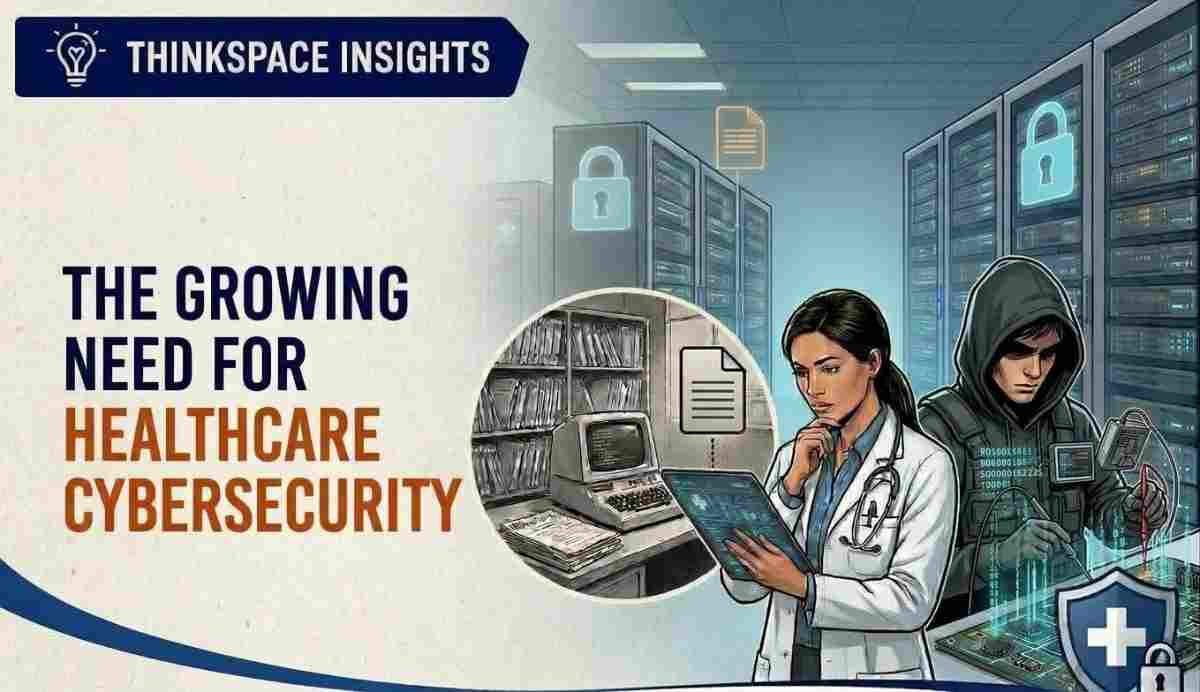
However, this high level of connectivity introduces severe technological vulnerabilities. The study highlights that data breaches or malicious cyberattacks could fundamentally compromise the security and integrity of IoMT devices and the massive troves of data they hold. Such breaches risk exposing highly sensitive patient information or, more dangerously, causing critical medical devices to malfunction or suffer severe operational disruptions. Consequently, to make IoMT systems truly reliable, strict data protection protocols and secure communication networks must rigidly conform to established global security standards.
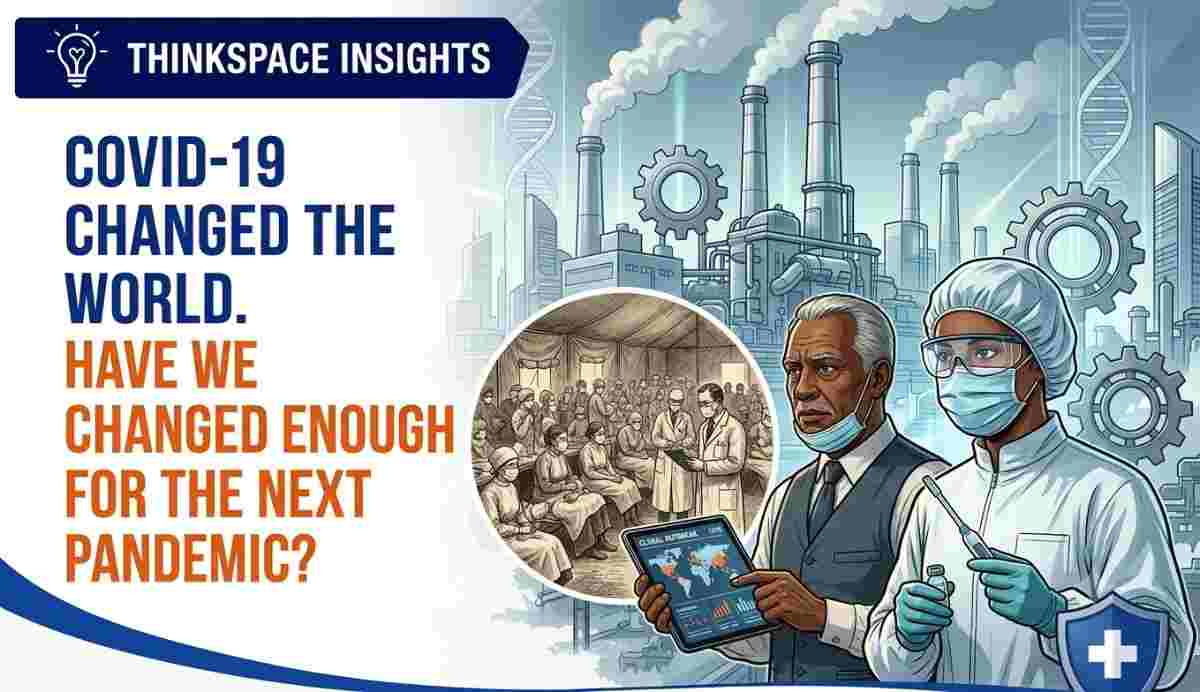
To combat these security threats, Blockchain technology is increasingly being utilized within the healthcare industry. This decentralized approach ensures the absolute security of patient records while simultaneously streamlining the complex sharing of information among diverse healthcare providers, laboratories, and pharmaceutical firms. The immense value of these integrated digital technologies was recently proven during the COVID-19 pandemic, where they were instrumental in enabling more efficient surveillance, rapid response, and optimized care delivery. By heavily leveraging these interconnected technologies, public health authorities and providers have been able to far better mitigate the impact of the pandemic and protect global public health.
ThinkSpace Insights
- Transformative connectivity, as the IoMT leverages connected devices via the internet to seamlessly exchange real-time data and improve overall patient health outcomes.
- Continuous remote monitoring, with the system utilizing specialized medical sensors to capture real-time physiological data, allowing doctors to make immediate, informed clinical decisions.
- Advanced tech integration, noting that incorporating artificial intelligence, machine learning, and Blockchain into the IoMT framework drastically enhances its analytical capabilities and public health utility.
- Severe cybersecurity risks, highlighting that the interconnected nature of IoMT makes it highly vulnerable to data breaches that could expose sensitive information or cause device malfunctions.
- Blockchain secures data, as the technology is being actively utilized to ensure the security of patient records and streamline safe information sharing across the broader healthcare industry.
- Pandemic-proven efficacy, proving that digital technologies and IoMT were instrumental in managing the COVID-19 pandemic by enabling highly efficient surveillance, rapid response, and targeted care delivery.
Access Full Article
Https://link.springer.com/article/10.1007/s11276-024-03764-8