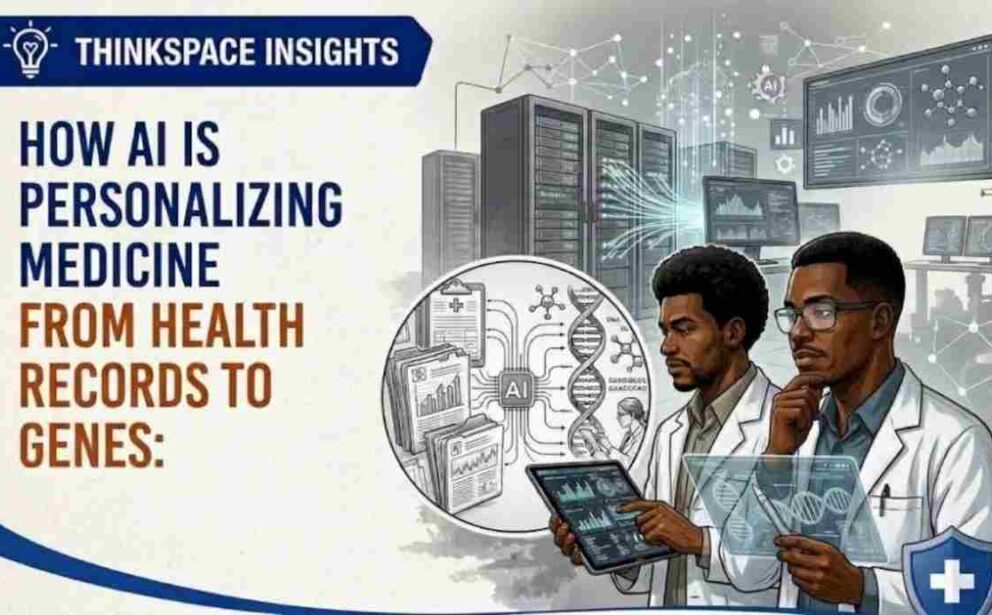
Artificial intelligence (AI) has rapidly emerged as a transformative force in modern healthcare, fundamentally rewriting the rules of precision medicine. For complex conditions like autoimmune rheumatic diseases, relying on a single stream of medical data is no longer sufficient for delivering optimal care. A comprehensive review led by Yi-Ming Chen and colleagues explores how AI is revolutionizing the integration and analysis of deeply diverse medical data. By seamlessly combining electronic health records, genetic sequencing, and complex immunology profiles, AI-driven analytics provide clinicians with a holistic, 360-degree view of a patient’s health and potential risks.
The clinical applications of this synergistic approach are particularly powerful when leveraging advanced machine learning models. In the realm of rheumatology, where disease presentation and progression vary wildly between individuals, these algorithms excel at cutting through clinical noise. Machine learning tools are now actively utilized to identify high-risk patients long before their symptoms escalate to dangerous levels. Furthermore, these predictive models can accurately forecast future disease activity and intelligently optimize therapeutic strategies based entirely on an individual’s unique biological and clinical footprint.
Beyond broad clinical predictions, artificial intelligence is also driving massive leaps forward at the microscopic level of human genetics. Deep learning techniques, a highly sophisticated subset of AI, have significantly advanced our ability to interpret vast and complex genomic datasets. These advanced tools are revolutionizing variant calling, enabling rapid pathogenicity prediction, and accelerating complex splicing analysis. Crucially for autoimmune research, deep learning also powers highly accurate Major Histocompatibility Complex (MHC)-peptide binding predictions, unlocking a much deeper understanding of genetic predispositions and immune system triggers.
Parallel to these genetic breakthroughs, AI-enabled analytics are illuminating the historically opaque and data-heavy field of immunology. The sheer volume of information generated by modern immune profiling can easily overwhelm traditional analytical methods. AI steps in by performing advanced dimensionality reduction, precisely identifying distinct cell populations, and executing highly accurate sample classification. These capabilities provide unprecedented, granular insights into the complex, hyperactive immune responses that drive autoimmune rheumatic diseases, allowing researchers and doctors to target the exact root causes of inflammation.
While real-world examples of AI-driven precision medicine platforms and clinical decision support tools are already demonstrating measurable benefits in rheumatology, the path forward is not without friction. For these technologies to be successfully implemented on a global scale, health systems must carefully navigate significant hurdles regarding raw data quality, strict patient privacy, and the cultivation of clinician trust. Ultimately, the future of precision medicine relies on the continued research, development, and clinical integration of these AI-driven strategies to unlock truly personalized patient care and drive sustainable innovation.
ThinkSpace Insights
- AI unites fragmented medical data, serving as the critical engine that integrates electronic health records, genetics, and immunology to provide a holistic patient view.
- Machine learning personalizes rheumatology, utilizing predictive models to identify high-risk autoimmune patients, forecast disease activity, and optimize targeted therapies.
- Deep learning decodes genetic complexity, significantly advancing our ability to perform variant calling, pathogenicity predictions, and crucial MHC-peptide binding analysis.
- Immunology relies on AI for clarity, using advanced algorithms for dimensionality reduction and cell population identification to understand complex immune responses.
- Real-world platforms are already working, with modern clinical decision support tools demonstrating concrete benefits and improved outcomes in autoimmune patient care.
- Implementation faces structural hurdles, highlighting the need to overcome severe challenges regarding data quality, patient privacy, and clinician trust to scale these technologies.
Access Full Article
Https://link.springer.com/article/10.1186/s12929-024-01110-w