For generations, modern medicine has operated on a fundamentally reactive model: we wait for symptoms to appear, and then we try to treat them. By the time a patient actually feels sick and visits a doctor, the underlying cellular or molecular damage has often been accumulating for years. At this “macroscopic” stage, medical interventions are frequently limited to merely managing the disease or slowing its progression, rather than actually reversing or curing it. This wait-and-see approach has inadvertently contributed to a massive global burden of chronic, incurable conditions that diminish quality of life and strain healthcare systems worldwide.
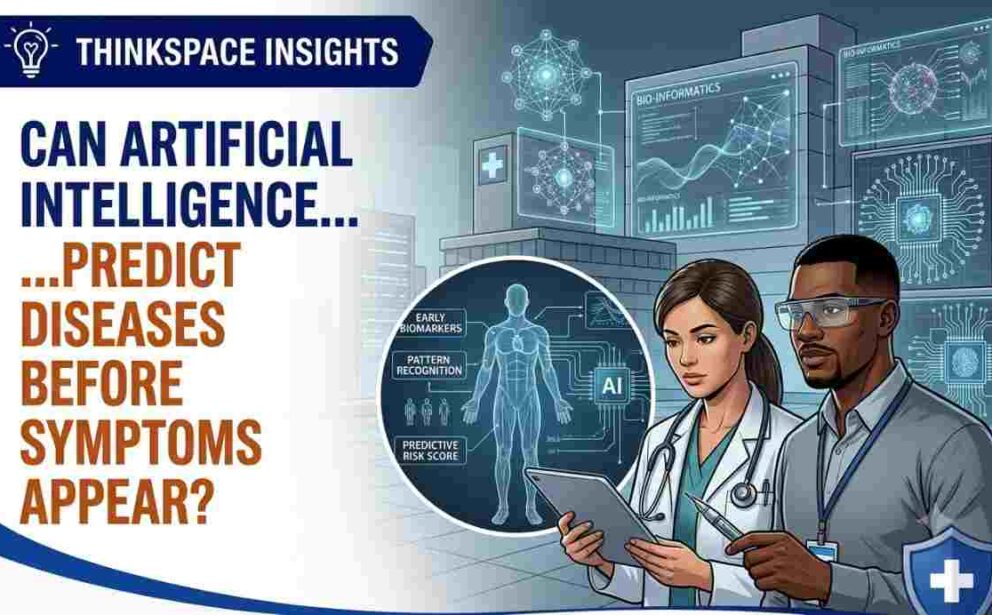
But what if we could intercept these diseases long before the very first symptom ever surfaces? Researcher Anis Barmada explores this groundbreaking possibility in a newly published framework for BMJ Health & Care Informatics. The study highlights how the explosive growth of multimodal biomedical datasets—combined with the sheer computational power of modern artificial intelligence—could fundamentally flip the medical paradigm. Instead of reacting to observable sickness, doctors could soon use AI to predict actionable health changes while a patient is still outwardly healthy.
The core of this proposed shift lies in moving away from standard, population-based reference values, which often overlook an individual’s unique risk factors. By analyzing a vast, interconnected web of data—spanning from genetic information and electronic health records to subtle lifestyle inputs—AI can detect invisible, preclinical states. These algorithms recognize that health and disease exist on a continuous spectrum rather than a strict binary, allowing medical professionals to identify the exact tipping points where an early intervention could halt a disease in its tracks.
Of course, translating this conceptual framework into everyday clinical practice is not without its hurdles. The study meticulously outlines the significant challenges that still lie ahead, particularly regarding the need for rigorous, real-world clinical validation. It is one thing for an algorithm to predict a future illness within a tightly controlled research dataset; it is a monumental task to securely integrate these predictive computational systems into real hospitals, ensuring they are both accurate and trusted by medical professionals.
Despite these obstacles, the potential payoff is simply too massive to ignore. If the medical community can successfully navigate the operational and clinical implementation of these AI tools, we are looking at the dawn of true precision medicine. By shifting our focus from personalized treatment of the sick to personalized prevention for the healthy, we could dramatically reduce the global weight of chronic diseases, offering people longer, healthier lives free from the shadow of incurable illness.
ThinkSpace Insights
- Conventional medicine is inherently reactive, typically waiting for visible symptoms to manifest before initiating treatments that often only manage, rather than reverse, the disease.
- Artificial intelligence offers a predictive paradigm shift, utilizing advanced algorithms to forecast actionable health changes long before a patient ever feels sick.
- Multimodal biomedical datasets are the key, allowing AI to cross-reference vast amounts of individual health data to spot invisible, preclinical warning signs.
- Health and disease exist on a continuous spectrum, meaning AI can help doctors intervene during early, reversible stages rather than waiting for a strict “diseased” diagnosis.
- Real-world clinical validation remains a massive hurdle, as healthcare systems must rigorously test and securely integrate these computational models before they can be trusted in daily practice.
- The ultimate goal is true preventive precision medicine, aiming to drastically reduce the global burden of chronic conditions by stopping them before they even begin.
Access Full Article