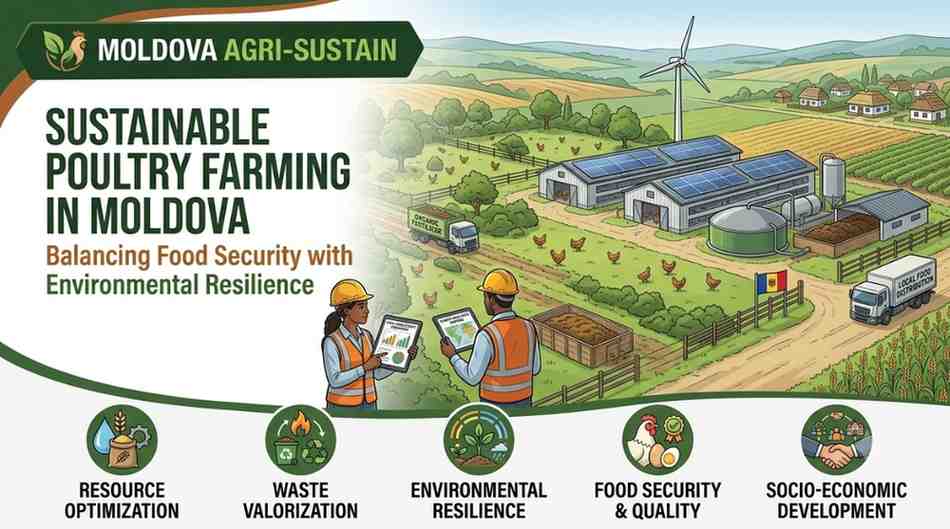

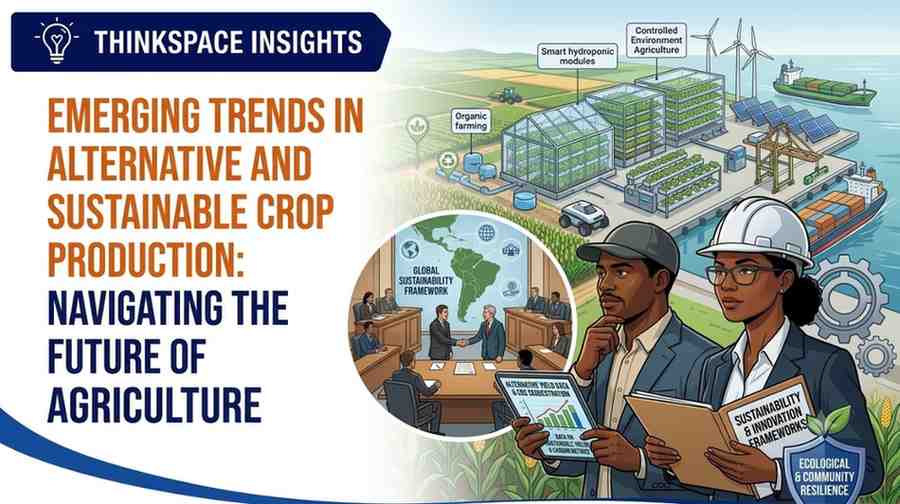
The last few decades have witnessed a profound evolution in crop systems management. The industry is rapidly moving away from traditional, purely production-based agronomy toward a highly integrated approach designed to address the complex challenges of contemporary agriculture. Today, modern crop management must balance agronomic, ecological, environmental, social, and economic factors, leveraging new technologies to meet current agricultural needs without jeopardizing the resources of future generations.
An editorial by Dimitrios Bilalis, Ioanna Kakabouki, and Ioannis Roussis, published in the journal Plants, captures this vital shift. They synthesize a collection of studies dedicated to assessing the sustainability of global cropping systems through recent developments in alternative agricultural practices. The featured research spans diverse and critical themes, including climate change adaptation, waste resource utilization, soil health enhancement, and biodiversity conservation.
The collection highlights highly specific, context-driven innovations that are moving the needle on sustainability. For example, research on dryland farming in China demonstrated that combining rotary tillage with straw mulching significantly boosted wheat yields, dry matter production, and water use efficiency compared to traditional plowing. Another featured study examined the cross-border transfer of microbial biofertilizer technology between China and Kazakhstan. It revealed that successful adoption depends just as much on government commitments, financial support, and socioeconomic adaptation as it does on biological efficacy.
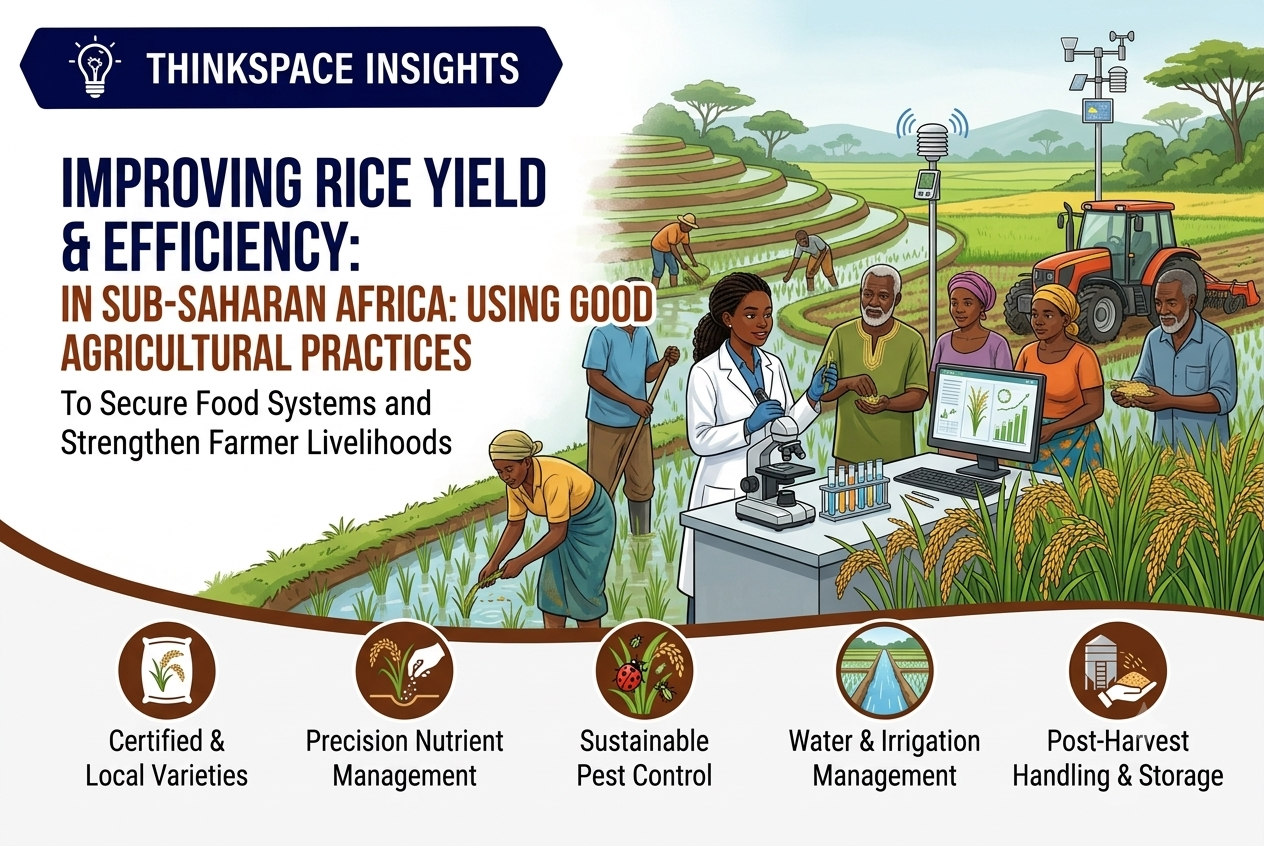
The editorial also explores the optimization and protection of specific crops. One paper investigated the susceptibility of industrial hemp to root-knot nematodes, discovering that an ethanolic extract from the plant’s own seeds could actually serve as an effective biocontrol method to inhibit the pests. Meanwhile, agronomic trials on newly developed tetraploid rice showed improved grain-filling rates, though researchers noted that further optimizations in panicle and spikelet numbers are still required to match the sheer yield volume of traditional diploid super hybrids.
Crucially, the authors do not shy away from the intense debate surrounding “industrial” versus “alternative” agriculture. The editorial highlights a critical perspective on agroecology movements and initiatives like the “Vision for Adapted Crops and Soils” (VACS). The featured critique questions the practicality of completely replacing chemical fertilizers with organic ones in severely degraded soils, and challenges the assumption that indigenous crops should inherently take precedence over high-yield, non-indigenous varieties when tackling acute food security crises in the Global South.
Ultimately, the synthesized research underscores a vital reality: achieving global sustainable crop production requires a pragmatic, deeply integrated strategy. By blending ecological awareness with socio-economic realities and advanced agronomy, the agricultural sector can build a resilient food system for the future.
ThinkSpace Insights
- Modern crop systems management must transition from strict production goals to a holistic approach that balances ecological, economic, and social sustainability.
- Practical agronomic adjustments, such as pairing rotary tillage with straw mulching, can dramatically improve water productivity and yield in vulnerable dryland farming.
- The successful international transfer of agricultural technology, like microbial biofertilizers, requires deep alignment with a host country’s specific financial and socioeconomic infrastructure.
- Innovative biocontrols derived directly from crops—such as using ethanolic hemp seed extracts to fight nematodes—offer highly promising, sustainable pest management solutions.
- While alternative “agroecology” movements are vital, they must be pragmatically balanced against the immediate global food security needs currently met by conventional agriculture.
- True agricultural sustainability will only be achieved by integrating all available strategies, combining the best of alternative methods with the efficiencies of modern farming practices.
Access Full Article