Think of the human cardiovascular system not just as a closed loop of internal plumbing, but as a highly sensitive biological filter constantly interacting with the outside world. If the external environment is heavily steeped in toxic chemicals and fragmented plastics, those microscopic invaders will eventually breach the fortress walls and lodge directly into the heart muscle. Healthy soils and clean water are absolutely essential for human survival, yet both are increasingly and severely compromised by chemical and plastic pollution. This preventable global crisis causes an estimated 9 million premature deaths each year, and in 2019 alone, pollution contributed to a staggering 5.5 million cardiovascular deaths, underscoring its massive role in the global burden of non-communicable diseases.
A severely under-recognized driver of this escalating cardiovascular crisis is the rapid, exponential rise in global plastic production. Global plastic output has surged more than 250-fold since 1950 and is remarkably projected to nearly triple by 2060, while less than 10% of this material is effectively recycled. As highlighted by the Lancet Countdown on health and plastics, this relentless production threatens human health across its entire lifecycle, ranging from initial fossil fuel extraction to eventual massive waste accumulation and environmental persistence.
To illuminate the physiological damage caused by this toxic environment, a collaborative research team including Thomas Münzel, Philip J. Landrigan, and colleagues published an invited review in the Anatolian Journal of Cardiology. The study comprehensively examines how soil, water, and plastic pollution interact within the “cardiovascular exposome”—the totality of environmental exposures that directly impact human heart health.
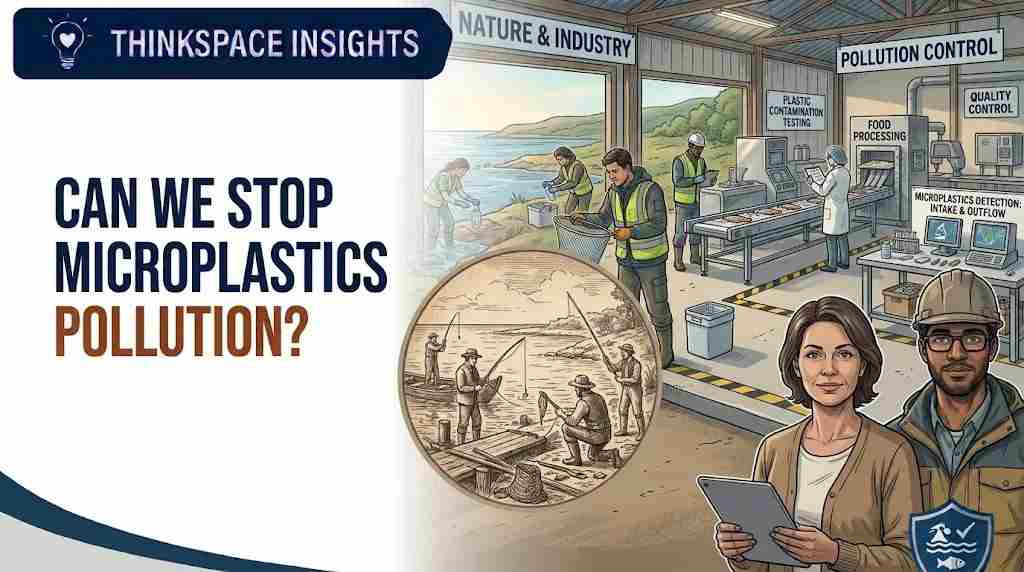
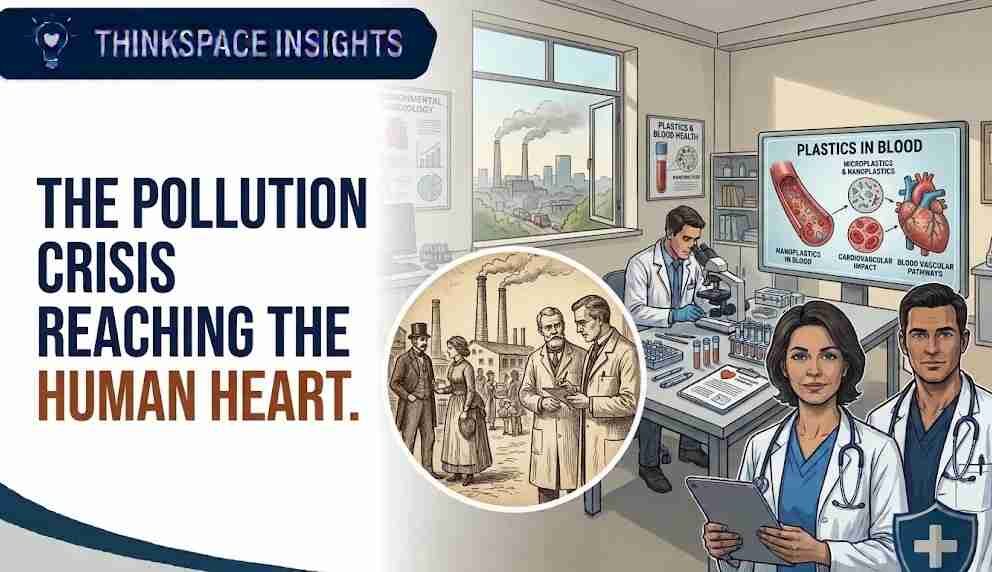
The researchers detail how global soils and water systems are being heavily contaminated by an influx of heavy metals, pesticides, persistent synthetic chemicals, and micro- and nanoplastics. These pervasive pollutants systematically degrade soil health, severely reduce agricultural productivity, contaminate vital human food chains, and spread rapidly through aquatic ecosystems, drastically amplifying global disease risk. The biological barrier has already been breached; micro- and nanoplastics represent a new class of pervasive environmental contaminants that have now been physically detected inside human blood, placentas, brains, and crucially, cardiovascular tissues.
Despite the wide chemical diversity of these varied pollutants, the researchers found that they ominously converge on identical, highly destructive biological mechanisms. These persistent environmental exposures are direct drivers of cardiovascular disease because they trigger severe oxidative stress, systemic inflammation, endocrine disruption, and circadian dysregulation within the body.
Ultimately, the study concludes that the persistence of these toxic environmental contaminants reflects a massive, systemic policy failure. Because medical interventions alone cannot filter the entire planet, reducing soil, water, and plastic pollution must urgently become a central pillar of cardiovascular prevention. The researchers emphasize that protecting human health now requires strict, enforceable, lifecycle-based policies that target synthetic pollution at its source before it can enter the human bloodstream.
ThinkSpace Insights
-
The polluted filter, highlighting that environmental chemical and plastic pollution is a massive driver of global mortality, contributing to 5.5 million cardiovascular deaths in 2019 alone.
-
The plastic explosion, noting that global plastic output has increased over 250-fold since 1950 and is projected to triple by 2060, with less than 10% successfully recycled.
-
The cardiovascular exposome, exploring how heavy metals, pesticides, and persistent synthetic chemicals degrade agricultural soils and spread through aquatic ecosystems to contaminate food chains.
-
Physical infiltration, revealing the alarming biological reality that micro- and nanoplastics have now been physically detected within human blood, placentas, brains, and cardiovascular tissues.
-
Shared biological damage, explaining that despite their diverse chemical natures, these pollutants all drive heart disease by triggering oxidative stress, systemic inflammation, and endocrine disruption.
-
A global policy failure, concluding that mitigating this cardiovascular crisis requires enforceable, lifecycle-based environmental policies to stop plastic and chemical contamination at the source.