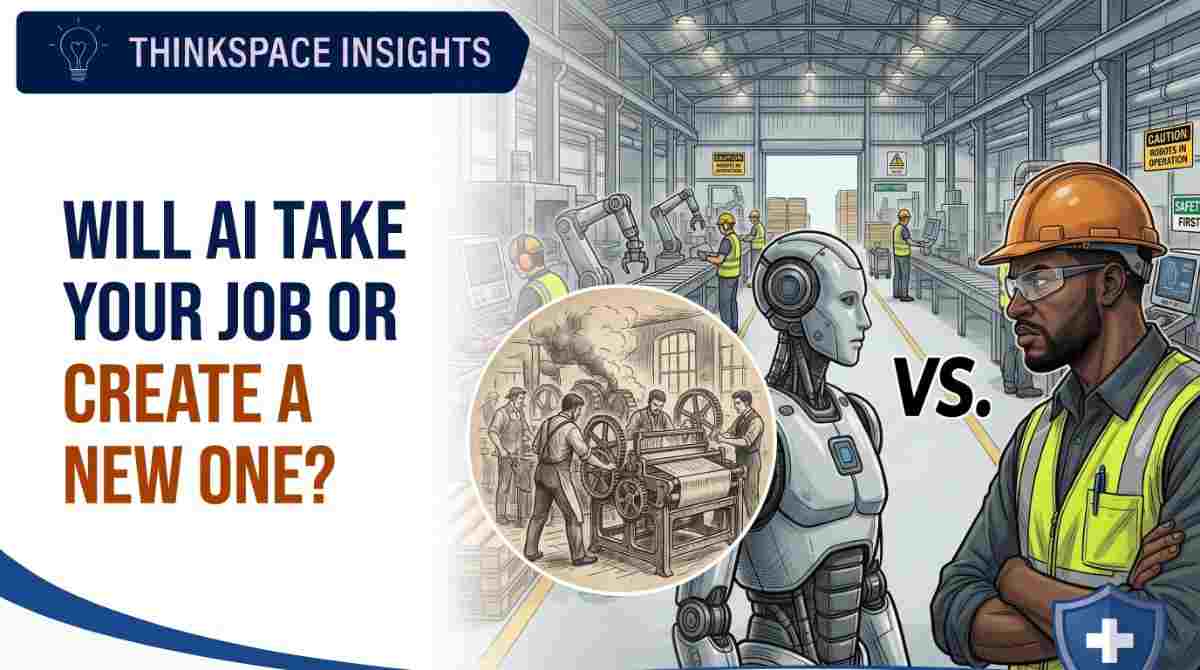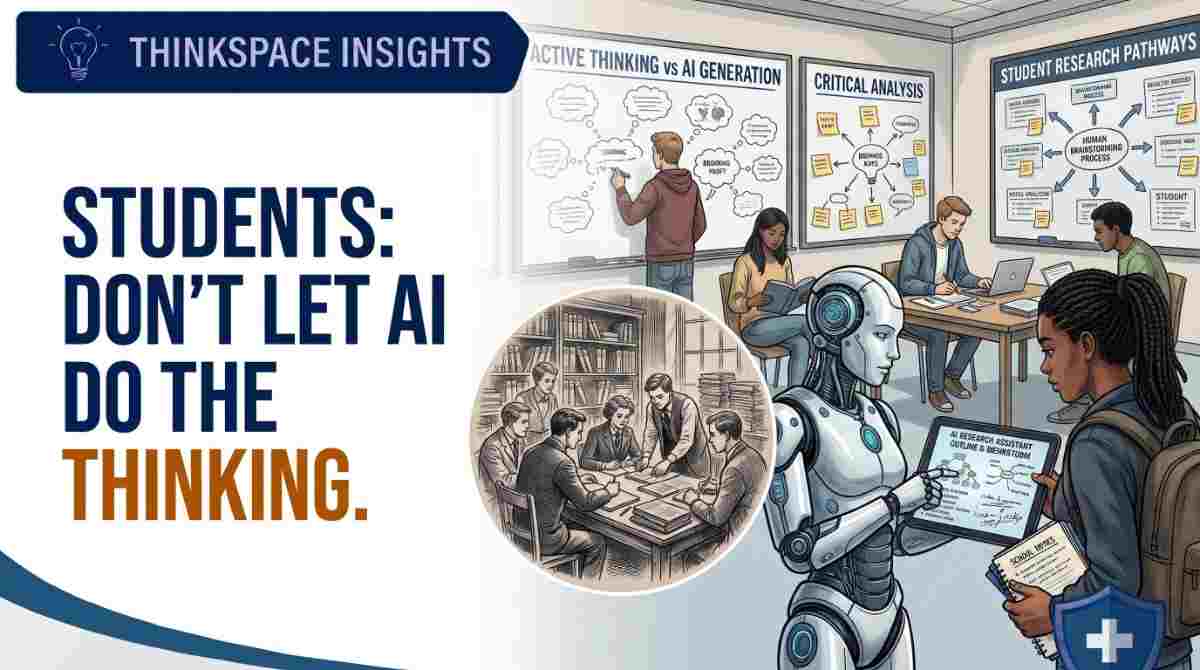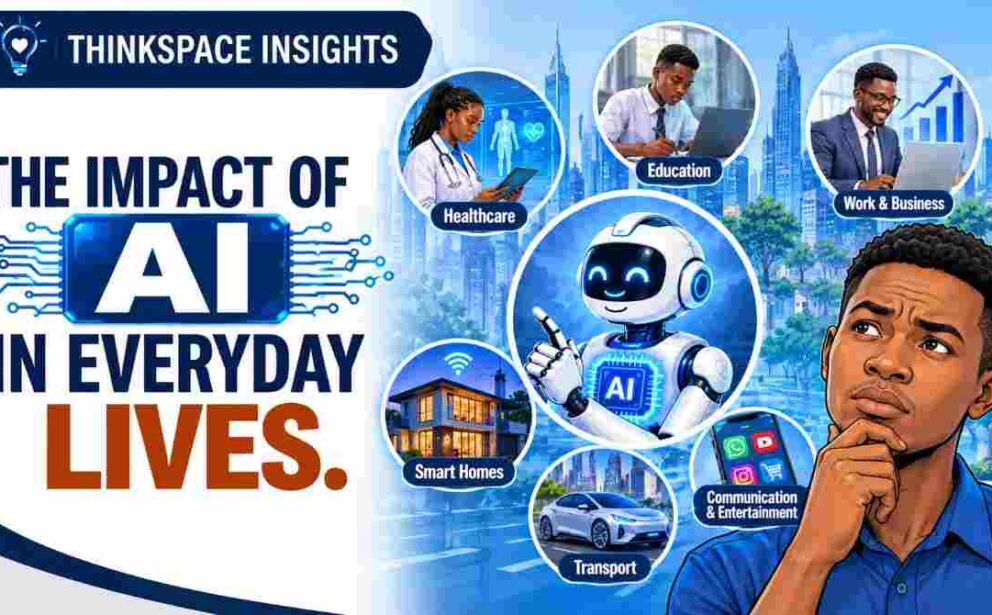
Think of a powerful new current sweeping through the ocean. It doesn’t just push the water in one direction; it reshapes the entire coastline, alters marine ecosystems, and creates both new navigational pathways and dangerous undertows. Artificial intelligence operates as this pervasive current in modern society. We have reached a critical turning point in human history where AI, machine learning, and generative models are no longer confined to research laboratories or science fiction narratives. Today, these systems have deeply permeated the fabric of daily life, reshaping how humanity works, creates, learns, heals, and communicates.
With the rapid evolution of generative AI (GenAI), the technology has moved far beyond traditional data processing. These tools can now write stories, compose poems, create visualizations, and develop musical compositions, extending their influence into domains that were once considered uniquely and exclusively human. From corporate boardrooms and political campaigns to hospital wards and creative studios, the algorithmic transformation is actively reconfiguring the fundamental aspects of human existence.
To make sense of this multidimensional impact, Dr. Shahidur Rashid Talukdar authored an essay critically examining the societal footprint of AI. He argues that exploring this shift requires moving beyond simplistic narratives of technological determinism. The AI revolution is neither wholly utopian nor entirely dystopian; rather, it is a complex interweaving of progress and peril, efficiency and erasure, empowerment and displacement.
Ultimately, Talukdar notes that understanding these profound changes requires much more than blind celebration or fearful condemnation. Society must engage in a critical examination of how these algorithmic systems are actively reshaping power structures, economic arrangements, cultural production, and social cohesion across vital fields like education, employment, healthcare, and the environment.
ThinkSpace Insights
-
The pervasive current, noting that AI is no longer science fiction but a reality that has deeply permeated how humanity works, creates, learns, and heals.
-
Generative capabilities, pointing out that modern GenAI tools can autonomously create stories, poems, pictures, and musical compositions, entering uniquely human domains.
-
Beyond utopia and dystopia, highlighting that the algorithmic transformation is a complex web of progress and peril, balancing newfound empowerment with the threat of displacement.
-
A multidimensional impact, explaining that AI’s influence extends across almost all sectors of society, from corporate boardrooms to hospital wards and political campaigns.
-
Reshaping society, concluding that understanding AI requires critically examining how these systems alter established power structures, economic arrangements, and cultural production.
Access Full Article
https://vtechworks.lib.vt.edu/bitstreams/9854acaa-76d8-4dcc-8d47-17649b3a2491/download updae the article link