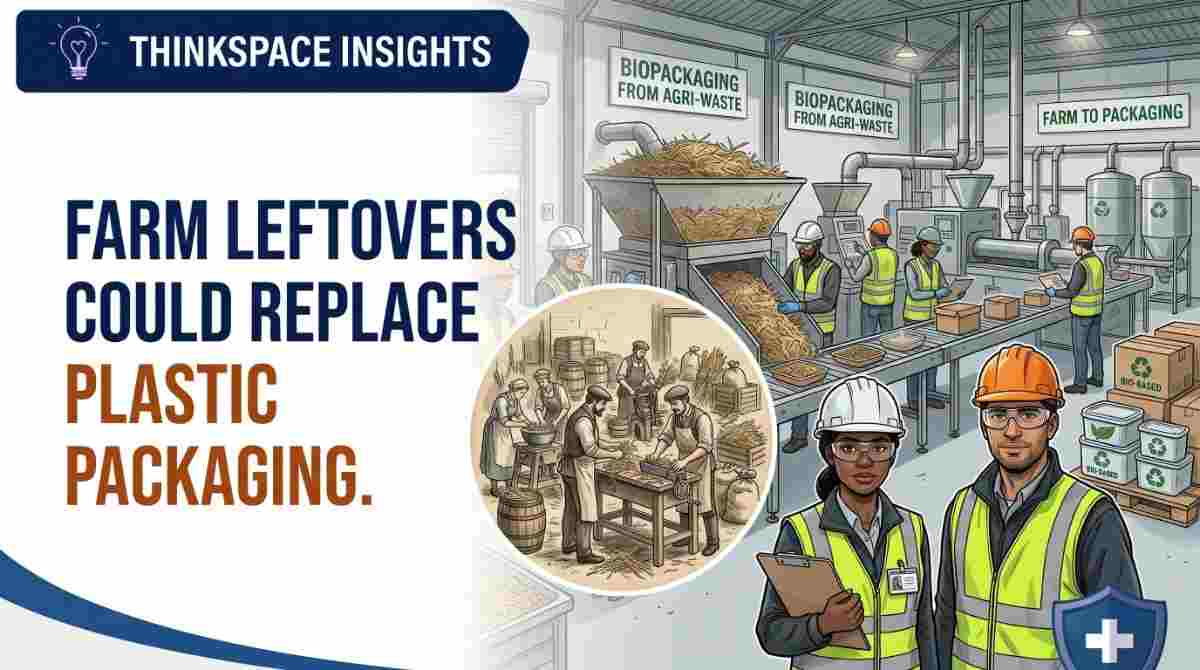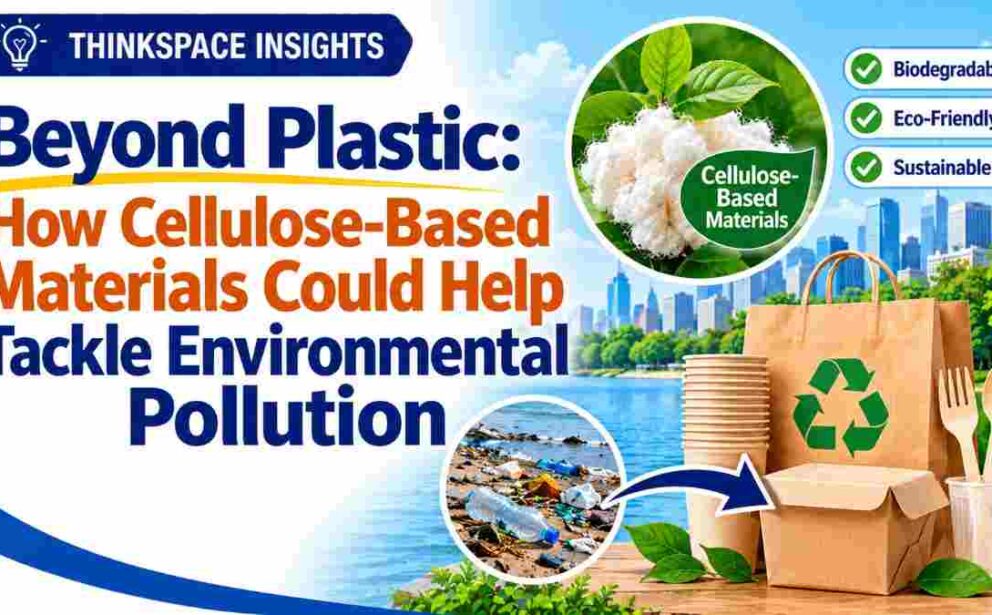
As the search for sustainable alternatives continues, cellulose-based materials are gaining attention for their potential to reduce dependence on petroleum-based plastics.
These possibilities are explored in a 2026 review titled “Cellulose-Based Materials as a Sustainable Alternative to Plastics: Mitigating Environmental Pollution Through Biodegradability and Reduced Toxicity” by Babatunde Solomon Ojelade, Rofhiwa Isaac Nethanani, and Peter Oluremi Adesoye, published in Nature Environment and Pollution Technology.
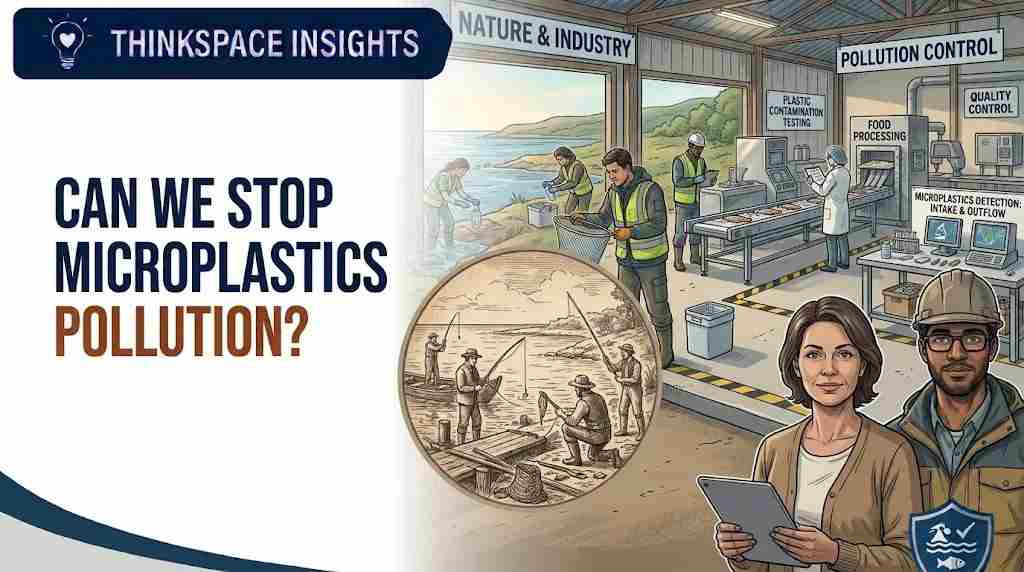
The review examines how cellulose materials, derived from renewable sources such as timber, agricultural waste, and other plants, could help address plastic pollution. Unlike conventional plastics that persist in the environment and break down into microplastics, cellulose materials can biodegrade into non-toxic organic compounds under suitable conditions, potentially reducing pollution in soil and water.
The authors also highlight the environmental benefits of cellulose production, including lower energy requirements and greenhouse gas emissions compared with petroleum-based polymers. Furthermore, technological advances such as nanocellulose production can improve its strength, flexibility, and moisture resistance, expanding its applications in packaging, textiles, biocomposites, and medical devices.
However, challenges such as high production costs, limited industrial composting facilities, and inadequate supportive legislation remain barriers to widespread adoption. The review therefore calls for technological innovation, policy improvements, and greater public awareness to promote the use of cellulose-based alternatives.
ThinkSpace Insights
Biodegradable alternatives can reduce plastic pollution, highlighting the potential of cellulose materials to limit persistent plastic waste and microplastic accumulation in the environment.
Renewable resources support sustainable production, recognising how timber, agricultural waste, and other plant materials can provide alternatives to petroleum-based raw materials.
Reduced environmental toxicity matters, emphasising how cellulose can break down into non-toxic organic compounds under suitable conditions, reducing the long-term environmental burden of plastic waste.
Technology is expanding cellulose applications, exploring how nanocellulose production and other processing techniques improve its strength, flexibility, and moisture resistance for different industrial uses.
Cellulose goes beyond packaging, demonstrating its potential applications in textiles, biocomposites, and medical devices, supporting sustainable innovation across industries.
Circular economy practices encourage responsible consumption, highlighting the importance of sustainable sourcing, compostability, and recyclability in reducing waste and making better use of renewable resources.
Cost and infrastructure remain major challenges, recognising that expensive production processes and limited industrial composting facilities could restrict wider adoption.
Policy and public awareness are essential, emphasising the need for supportive legislation, continued research, and public education to encourage the transition towards sustainable materials.
The growing challenge of plastic pollution requires a rethink of the materials used in everyday products and how they are produced and disposed of. Cellulose-based materials offer a promising pathway towards reducing plastic waste, protecting biodiversity, and promoting sustainable production.
However, achieving these benefits requires collaboration between researchers, industries, policymakers, and communities to improve production technologies, strengthen waste-management systems, and encourage responsible consumption.
Ultimately, adopting more sustainable materials is an important step towards a cleaner environment and a more sustainable future.