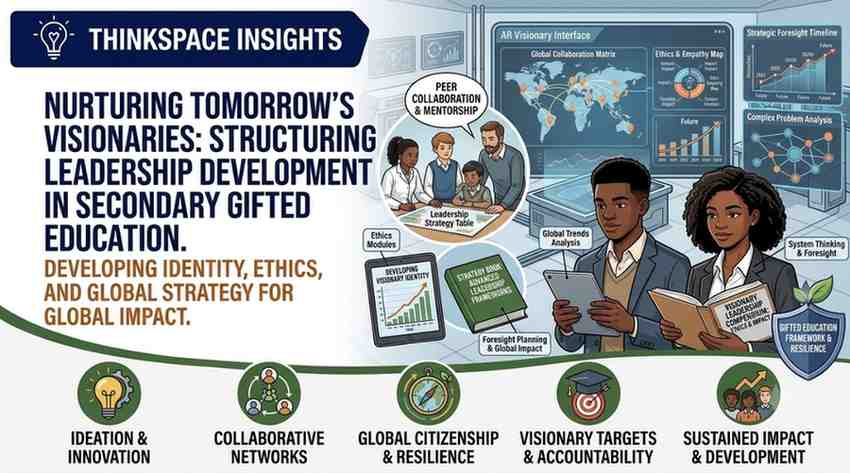

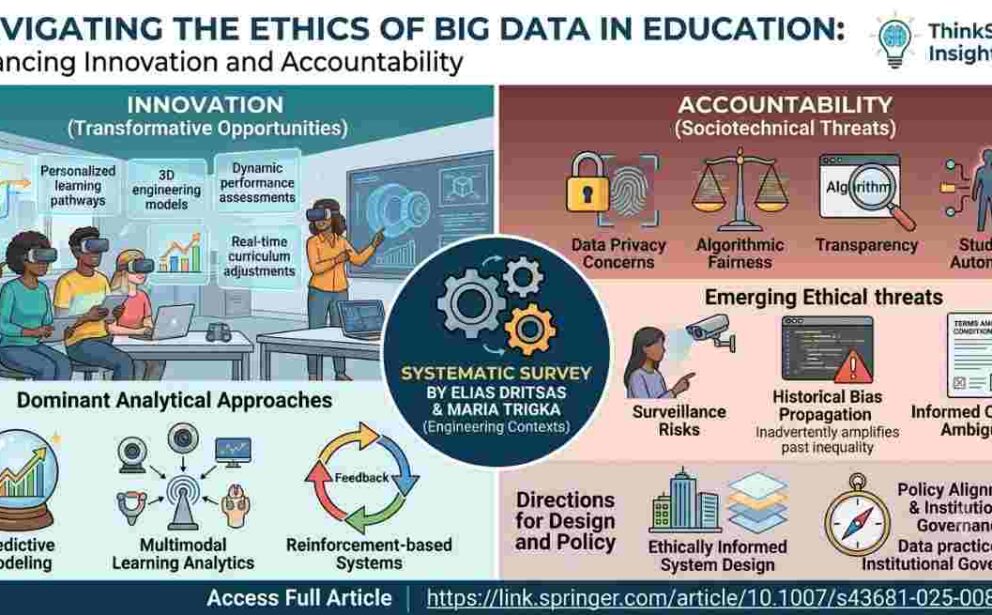
The integration of Big Data analytics into educational frameworks is unlocking transformative opportunities for modern classrooms. From hyper-personalized learning pathways to dynamic performance assessments and real-time curriculum adaptation, data-intensive technologies are fundamentally reshaping how institutions approach student success. However, deploying these powerful analytical tools—particularly within complex, rigorous domains like engineering education—introduces a dense web of ethical challenges. As universities rush to digitize the learning experience, they must grapple with severe data privacy concerns, algorithmic fairness, transparency, and the potential erosion of student autonomy.
A systematic survey by researchers Elias Dritsas and Maria Trigka delves into this critical intersection of educational data mining and ethical accountability. The study meticulously reviews peer-reviewed developments from 2020 onward, focusing specifically on the deployment of these technologies within engineering contexts. The authors map dominant, cutting-edge analytical approaches—such as predictive modeling, multimodal learning analytics, and reinforcement-based systems—directly against emerging sociotechnical threats. These include expanding surveillance risks, the propagation of historical biases through algorithms, and the pervasive ambiguity surrounding informed student consent.
By offering a comparative synthesis of real-world use cases, the study exposes a recurring, systemic gap between rapid technological implementation and established ethical governance. The researchers evaluate existing mitigation strategies and outline the profound pedagogical and societal implications of unchecked data collection. Ultimately, the survey serves as a vital compass for researchers, academic practitioners, and institutional decision-makers. It proposes actionable directions for ethically informed system design and policy alignment, ensuring that the future of data-intensive educational technology actively protects the students it aims to serve.
ThinkSpace Insights
- Big Data offers unprecedented personalization in engineering education, but it must not come at the cost of student autonomy or stringent data privacy rights.
- Dominant analytical tools like predictive modeling and multimodal analytics often inadvertently propagate systemic biases if not rigorously audited for algorithmic fairness.
- Surveillance risks and ambiguous consent mechanisms are emerging as primary ethical threats in data-heavy educational environments.
- A persistent gap exists between current data practices and ethical governance, highlighting the fact that technological capabilities are outpacing institutional policy.
- Evaluating real-world use cases provides a necessary baseline for understanding how theoretical data risks manifest in actual engineering classrooms.
- Ethically informed system design must become a prerequisite, requiring developers and educators to build transparency and accountability directly into the architecture of learning technologies.
Access The Full Article
https://link.springer.com/article/10.1007/s43681-025-00866-7