
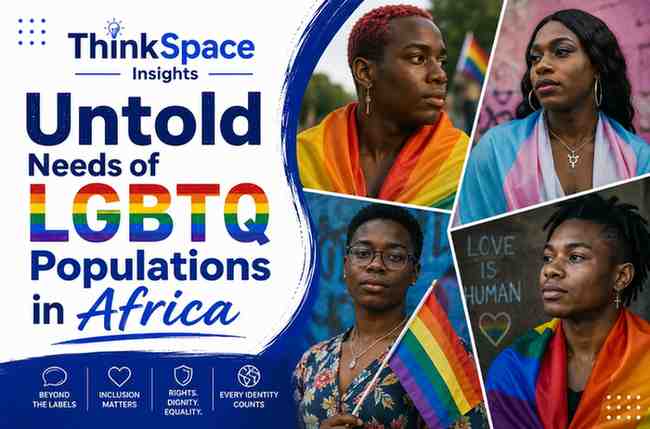
Healthcare inequality remains one of the most pressing yet under-addressed challenges affecting LGBTQ populations across Africa. In a 2026 research commentary, Ejovwokeoghene Joseph Omohwovo and Don Eliseo Lucero‐Prisno III critically examine how stigma, discrimination, and structural exclusion continue to undermine healthcare access and outcomes for LGBTQ individuals across the continent.
Despite Africa’s population exceeding 1.5 billion people, LGBTQ communities remain highly marginalized within many healthcare systems. The study highlights that discriminatory laws, social hostility, and inadequate healthcare policies have created significant barriers to accessing quality healthcare services. Consequently, LGBTQ individuals are disproportionately exposed to sexually transmitted infections (STIs), including HIV/AIDS, syphilis, gonorrhea, herpes simplex virus, and human papillomavirus. Mental health burdens such as anxiety, depression, trauma, and suicidal ideation are also increasingly prevalent within these populations.
One of the study’s major findings is the widespread lack of cultural competence among healthcare providers. Many LGBTQ individuals experience fear, humiliation, verbal abuse, or denial of care when seeking medical attention. These experiences discourage healthcare utilization and contribute to delayed diagnoses, untreated illnesses, and poor health outcomes. Evidence from Ghana further demonstrates that LGBTQ populations experience behavioral, physical, and psychological health disparities due to persistent social exclusion and stigmatization.
The problem extends beyond healthcare facilities. In many African countries, restrictive legal frameworks and criminalization of same-sex relationships reinforce discrimination and limit public health interventions targeting LGBTQ communities. The absence of reliable health data on LGBTQ populations also weakens policy development and resource allocation, making it difficult to design inclusive healthcare programs.
Addressing these disparities requires urgent, coordinated, and evidence-based action. Promoting health equity for LGBTQ populations is not merely a human rights issue; it is a critical public health necessity. Inclusive healthcare systems improve disease prevention, strengthen mental health outcomes, and enhance overall population health.
ThinkSpace Insights
1. Strengthen Inclusive Health Policies
African governments and policymakers should implement legal and institutional reforms that protect LGBTQ individuals from discrimination within healthcare settings. Anti-stigma policies and patient protection frameworks are essential for equitable healthcare delivery.
2. Improve Cultural Competency Training
Healthcare professionals require continuous education on LGBTQ-sensitive healthcare practices. Training programs should focus on empathy, confidentiality, non-discrimination, and culturally competent care to improve patient trust and health outcomes.
3. Expand Research and Data Collection Governments, NGOs, and research institutions should invest in sustainable LGBTQ health surveillance systems. Reliable data are crucial for identifying disparities, monitoring interventions, and developing evidence-based public health strategies.
Read full article via https://pmc.ncbi.nlm.nih.gov/articles/PMC12839480/