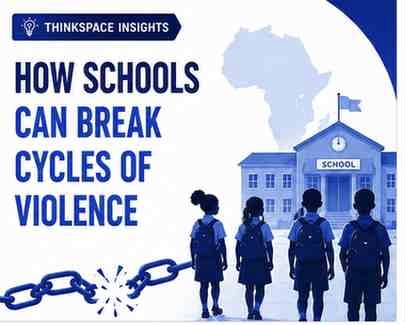


Sexual violence against adolescents remains a critical yet underreported issue in Nigeria. A recent cross-sectional study conducted by Halimat Olaniyan and Adesola Olumide sheds light on the alarming prevalence of sexual violence and the persistent barriers to reporting among secondary school adolescents in Ibadan Metropolis.
The study, conducted among 360 in-school adolescents in Ibadan South-West Local Government Area, revealed that 35% of respondents experienced at least one form of sexual violence within a 12-month period. Participants had a mean age of 14.6 years, with females accounting for half of the study population. The findings expose a disturbing reality in which adolescents continue to face various forms of abuse within their social environments.
The most commonly reported forms of sexual violence included unwanted sexual touching (25.6%), forced sex (19.2%), attempted rape (15.2%), and sexually suggestive comments (9.6%). These findings demonstrate that sexual violence among adolescents extends beyond physical assault to include coercion, intimidation, and psychological abuse.
Despite the high prevalence, reporting rates were critically low. Approximately 70% of adolescents who experienced sexual violence did not disclose the incident to anyone. Several barriers contributed to this silence, including fear of getting into trouble (46.6%), believing the incident was not serious (31.8%), self-blame (30.7%), and feelings of embarrassment for themselves or their families (27.3%).
The study underscores a major public health concern: underreporting conceals the true burden of sexual violence and weakens prevention, intervention, and justice systems. When survivors remain silent, access to healthcare, counseling, legal support, and protection becomes limited, increasing the risk of long-term psychological trauma, depression, anxiety, and poor educational outcomes.
ThinkSpace Insights
1. Strengthen School-Based Sexual Violence Reporting Systems
Schools should establish confidential and adolescent-friendly reporting channels supported by trained counselors, safeguarding officers, and referral systems for survivors.
2. Promote Parent–Adolescent Communication
Community programs should encourage open conversations between parents and adolescents about sexual violence, consent, and personal safety to reduce fear and stigma surrounding disclosure.
3. Expand Adolescent Mental Health and Protection Services
Government agencies and public health stakeholders should integrate trauma-informed counseling, legal support, and sexual violence prevention education into adolescent health programs.
Read the Preprint via https://www.medrxiv.org/content/10.64898/2026.04.08.26344946v1