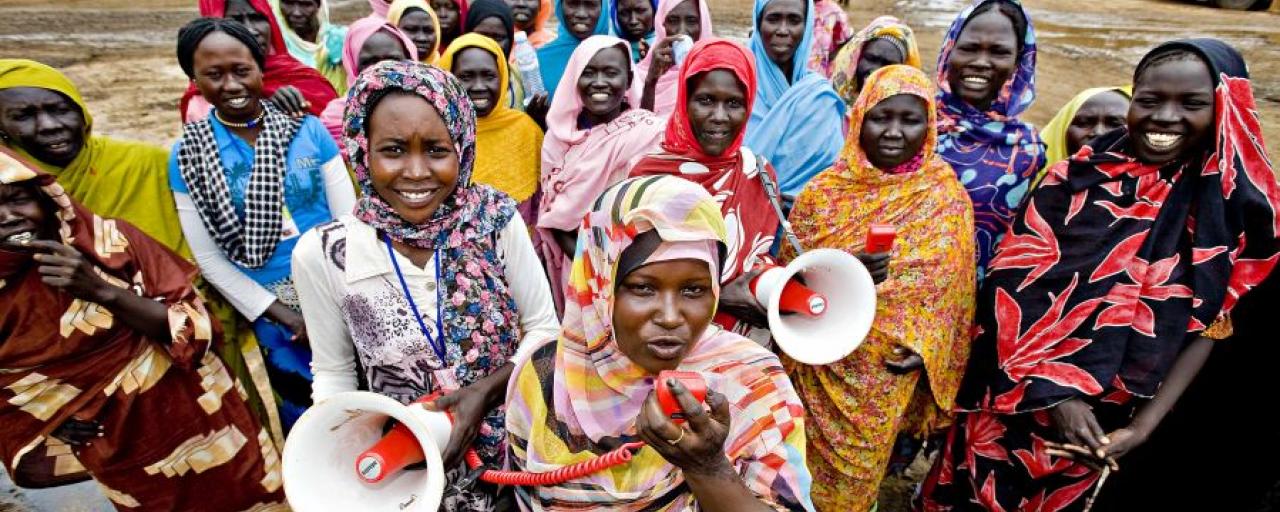

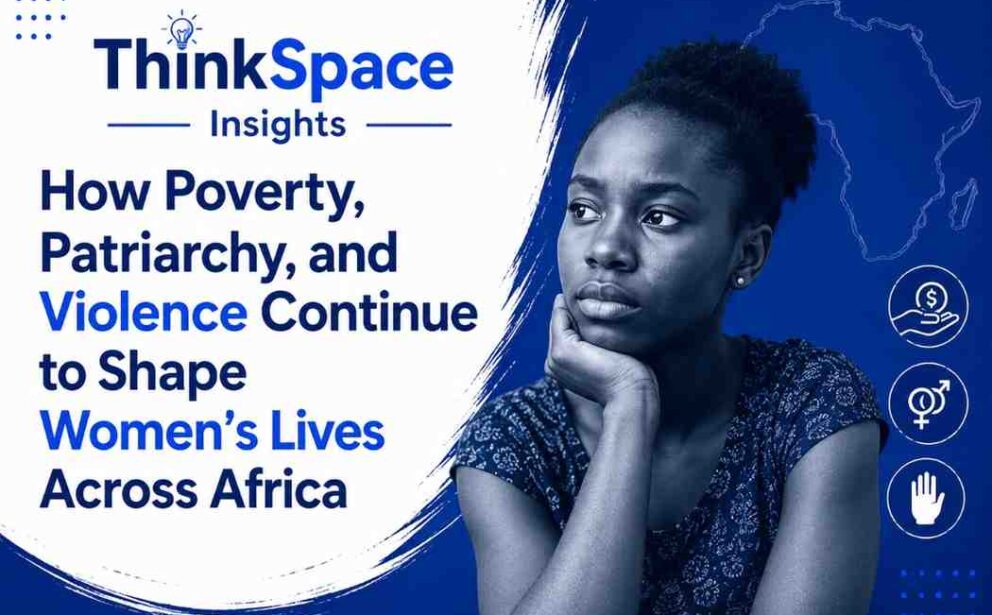
Despite decades of advocacy and global conversations around gender equality, millions of women and sexual minorities across sub-Saharan Africa continue to face deep-rooted inequality. A recent chapter by Hugo Kamya and Hayley Cowart in Global Perspectives on Gender highlights how poverty, patriarchy, and social exclusion remain interconnected forces shaping the realities of women and marginalized gender groups across the region.
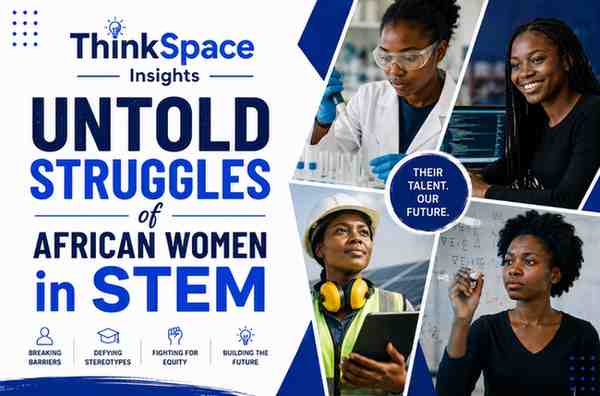
Although sub-Saharan Africa is culturally and socially diverse, gender inequality remains widespread in many countries. Women continue to experience limited access to land ownership, employment opportunities, education, reproductive healthcare, and decision-making power. In many communities, traditional gender norms and patriarchal systems reinforce women’s economic dependence and social vulnerability.
The study emphasizes that these inequalities rarely exist in isolation. Poverty and patriarchy often interact to increase women’s exposure to gender-based violence, restricted educational opportunities, and poor health outcomes. Women living in economically disadvantaged households are frequently more vulnerable to abuse, exploitation, and exclusion from leadership and economic participation.
Violence against women remains one of the region’s most persistent human rights and public health concerns. Physical abuse, sexual violence, child marriage, and intimate partner violence continue to affect millions of women and girls, often with limited legal protection or support services. These experiences can lead to long-term psychological trauma, reduced educational attainment, and worsening economic insecurity.
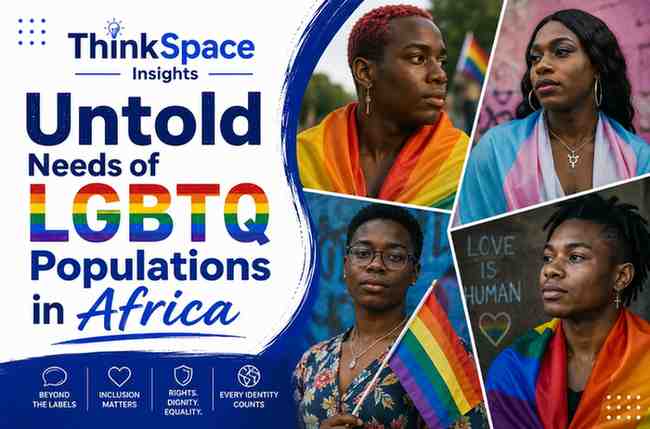
The chapter also highlights the impact of colonialism on gender identity and sexual diversity in Africa. While some traditional African societies historically recognized nonbinary gender identities and diverse expressions of sexuality, colonial systems imposed rigid binary gender structures that stigmatized and criminalized sexual minorities. Many of these colonial-era laws and attitudes continue to influence discrimination and exclusion today.
Despite these challenges, the authors argue that meaningful change is possible through multidimensional reforms. Expanding access to education, increasing women’s participation in formal employment, strengthening legal protections, and promoting inclusive policies can help reduce gender disparities and improve social outcomes for women and marginalized communities.
ThinkSpace Insights
1. Expand Equal Access to Education and Employment
Governments and institutions should prioritize policies that improve girls’ education, vocational training, and women’s access to formal employment opportunities.
2. Strengthen Protection Against Gender-Based Violence
African countries must enforce stronger laws, survivor support systems, and public awareness campaigns to address violence against women and sexual minorities.
3. Promote Inclusive Gender Policies and Social Reforms
Policymakers should implement gender-responsive reforms that protect reproductive rights, challenge discriminatory norms, and promote inclusion for sexual minorities across African societies.
Read Abstract via https://doi.org/10.1108/978-1-80686-693-920261013