
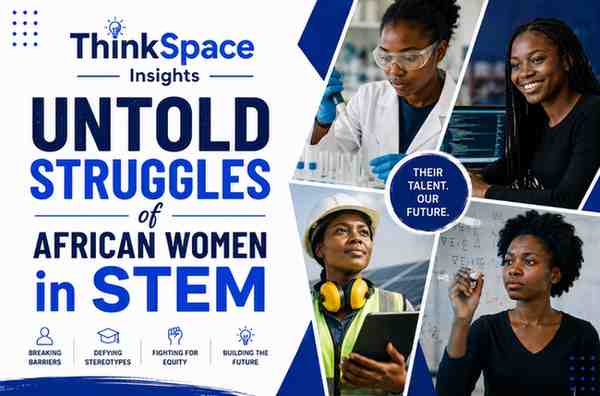
Women in Science, Technology, Engineering, and Mathematics (STEM) across sub-Saharan Africa continue to face significant institutional, cultural, and economic barriers. Yet, despite persistent gender disparities, many African women are demonstrating remarkable resilience in postgraduate STEM education. A recent study by Monica Fisher and colleagues published in PLoS One reveals both the structural challenges confronting women in STEM and the innovative reforms needed to advance gender equity across African universities.
The mixed-methods study examined the experiences of 163 female PhD alumni from 40 universities across 17 African countries alongside focus group discussions involving 39 postgraduate students. The findings paint a complex picture of determination amid systemic obstacles.
More than 60% of respondents reported severe financial stress during their doctoral programs, while over half admitted feeling academically unprepared when they began their studies. Women also described the overwhelming pressure of balancing caregiving responsibilities, societal expectations, and academic demands. Cultural norms in many communities continue to position women primarily as caregivers, often discouraging long-term academic or research careers.
A striking finding from the study challenged common assumptions regarding mentorship. Contrary to expectations, many participants preferred male supervisors, citing experiences of competition, limited support, or inadequate mentorship from some senior female academics. This highlights the complexity of gender dynamics within academic institutions and the need for more supportive mentorship structures across all levels.
Despite these barriers, resilience remained a defining theme throughout the research. An overwhelming 95% of participants expressed confidence in their ability to succeed in STEM fields. Many women credited their persistence to personal passion for science, strong family encouragement, and internal motivation to challenge gender stereotypes in academia.
The study underscores an important reality: the underrepresentation of women in African STEM spaces is not a reflection of capability, but rather the result of structural inequalities embedded within educational systems and broader society.
ThinkSpace Insights
1. Introduce Family-Friendly Academic Policies
Universities should implement childcare support, maternity protections, flexible schedules, and work-life balance initiatives to reduce the caregiving burden on female researchers.
2. Strengthen Tailored Mentorship Programs
Institutions must develop structured mentorship systems that provide emotional, academic, and career support for women in STEM throughout postgraduate training.
3. Promote Gender-Responsive Institutional ReformsAfrican universities should adopt inclusive leadership policies, equitable funding opportunities, and anti-discrimination frameworks that actively support women’s advancement in STEM careers.
Read Full Article via https://journals.plos.org/plosone/article?id=10.1371/journal.pone.0338973