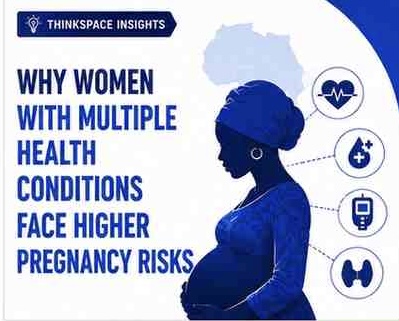

Maternal mortality remains a defining equity challenge across Sub-Saharan Africa despite sustained global commitments under SDG-3. A recent review by Ezinne Victory Kanu, Charles Chibuisi Ehiemere, Ishaku Adamu Akyala, Eric Terkuma Chia, and Zakari Abubakar was published on 26 March 2026. All authors are affiliated to the Global Health and Infectious Diseases Control Institute, Nasarawa State University, Keffi Nigeria.
The study examines maternal health policies across Nigeria, Rwanda, South Africa, and Gabon between 2014 and 2024. A comparative narrative review design was applied using WHO, World Bank, UNFPA, DHS, and national policy documents. The analysis was guided by the Walt and Gilson Policy Triangle and WHO Health System Building Blocks framework.
Findings show implementation quality, rather than policy presence, determines measurable improvements in maternal survival outcomes. Rwanda demonstrates the strongest gains, reducing mortality from roughly 320 to 200 per 100,000 live births. Decentralized financing, performance-based incentives, and community health worker integration strengthened accountability and service delivery nationwide.

South Africa achieved reductions by integrating HIV and maternal services, supported by audits and strengthened referral systems. Maternal mortality declined from approximately 138 to 120 per 100,000, though rural inequities persist across underserved districts. Gabon expanded financial access through compulsory insurance and subsidies, increasing utilization but delivering modest mortality reductions nationally.
Weak rural infrastructure and workforce shortages constrained outcomes, highlighting gaps between financial coverage and service readiness. Nigeria’s trajectory remains uneven, with mortality around 917 per 100,000 and disruptions during the COVID-19 period.
Fragmented governance, weak primary healthcare financing, and inconsistent subnational implementation continue undermining service access and outcomes. The study contributes critical cross-country evidence showing governance, financing transparency, workforce readiness, and community engagement drive progress. It further highlights transferable lessons for strengthening implementation fidelity and advancing equitable maternal health outcomes across similar contexts.
ThinkSpace Insight
- Continental unions and national governments across Africa should strengthen primary healthcare governance through transparent financing, accountable leadership, and consistent policy execution across all administrative levels.
- Healthcare systems should scale community health workforce deployment, prioritize rural infrastructure investments, and integrate maternal services with existing programs.
- Policymakers should leverage routine data systems for adaptive decision-making while ensuring equitable access for vulnerable populations.
Read full article via: https://link.springer.com/article/10.1186/s12982-026-01765-w