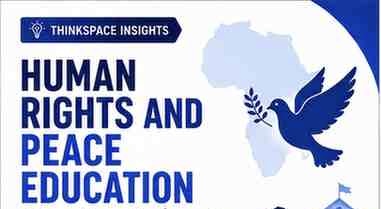
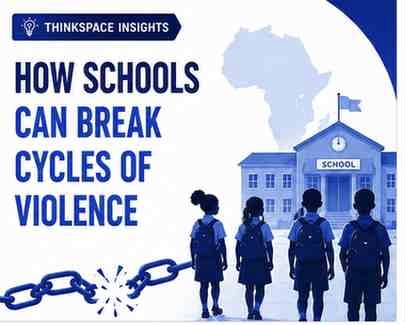
Post-conflict recovery involves far more than rebuilding roads, institutions, and governments. Sustainable peace also depends on healing social divisions, addressing historical injustices, and rebuilding trust among communities affected by violence. A recent study by Mohamed Yusuf Adan in Frontiers in Political Science explores how peace education can become a powerful tool for promoting social justice and long-term peacebuilding in post-conflict societies, particularly in Somalia.
Although Somalia does not currently offer a formal peace education subject within its national curriculum, peace-related themes such as tolerance, reconciliation, civic responsibility, and conflict resolution are integrated into subjects like Social Studies, History, Islamic Education, and university-level Conflict Resolution courses. Using the 4Rs framework — Redistribution, Recognition, Representation, and Reconciliation — the study examines how education can help address structural inequalities, social exclusion, and historical grievances that often contribute to conflict.
The research compares Somalia’s educational approach with post-conflict peace education efforts in Rwanda and Sierra Leone. The findings reveal that Somalia’s current system remains fragmented and lacks a coordinated national peace education strategy. Key challenges include unequal access to education, limited participation from marginalized groups in curriculum development, and insufficient engagement with historical injustices and community reconciliation.
In contrast, Rwanda and Sierra Leone implemented more structured peace education reforms following periods of violence and instability. These reforms incorporated civic education, reconciliation initiatives, and social healing into broader national recovery efforts, helping strengthen social cohesion and civic rebuilding.
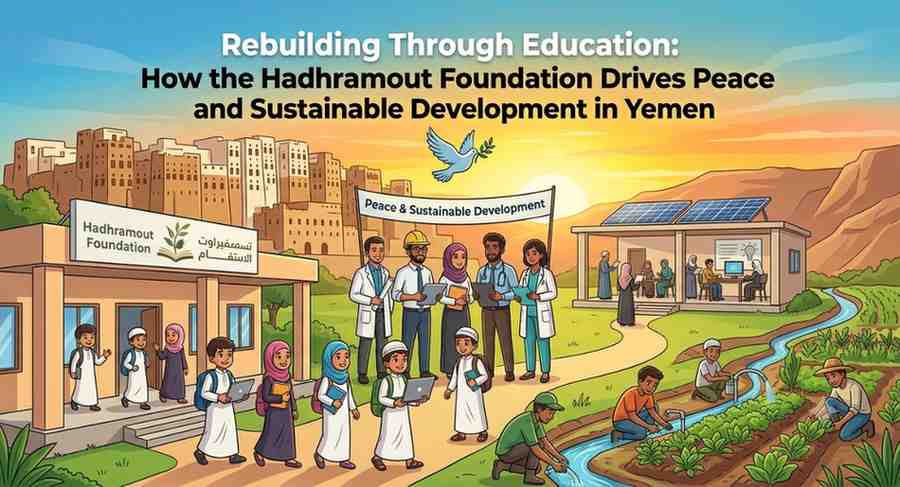
The study emphasizes that peace education extends beyond teaching nonviolence. It can also help societies rebuild trust, encourage civic participation, promote inclusion, and foster peaceful coexistence among previously divided groups. Importantly, the research highlights that peacebuilding through education is most effective when it openly addresses inequality, representation, historical trauma, and social exclusion.
The findings also demonstrate that educational inequality remains a major barrier to sustainable peace. Marginalized and conflict-affected communities often experience reduced access to quality education, reinforcing cycles of poverty, exclusion, and instability. The study argues that equitable access to education is central to both social justice and long-term peacebuilding.
ThinkSpace Insights
1. Develop Coordinated National Peace Education Policies
Governments should establish comprehensive frameworks that integrate peace education consistently across schools, universities, and community learning systems.
2. Prioritize Equal Access to Quality Education
Educational reforms should focus on reducing inequalities affecting marginalized and conflict-affected communities to prevent long-term exclusion and social division.
3. Integrate Reconciliation and Historical Dialogue into Curriculum
Curricula should create space for honest discussions about historical grievances, identity, reconciliation, and social healing.
4. Expand Inclusive Participation in Educational Reform
Policymakers should involve educators, youth groups, local communities, religious leaders, and marginalized populations in curriculum development and peace education planning.
The study ultimately reinforces the transformative role education can play in rebuilding societies affected by conflict. When grounded in justice, inclusion, representation, and reconciliation, peace education can become a powerful pathway toward sustainable peace and national healing.
Read Abstract via https://www.researchgate.net/publication/394652316]