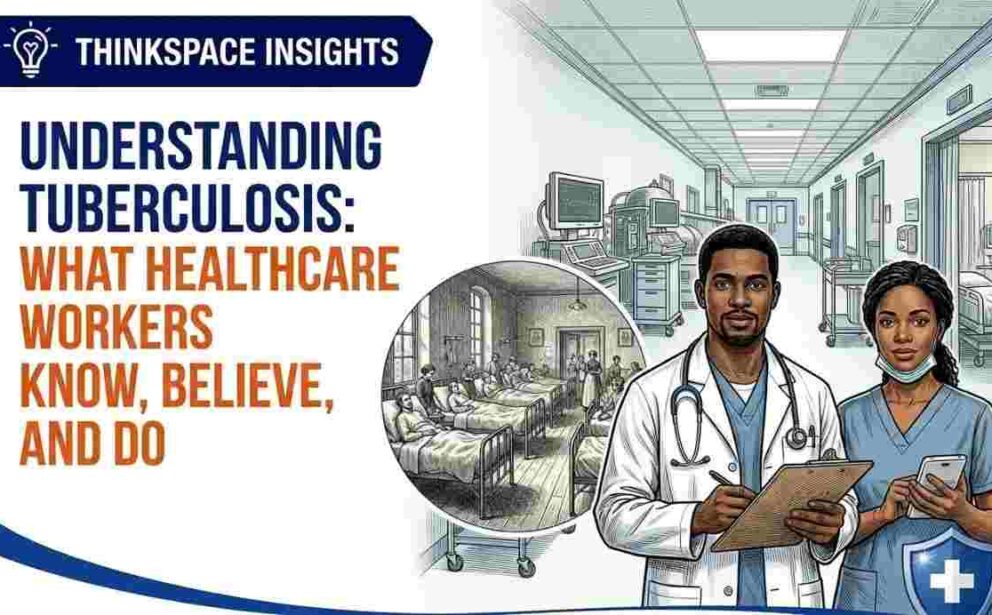
Tuberculosis (TB) remains a critical global public health challenge, and healthcare workers are the absolute primary defense against its continued spread. To effectively control this infectious disease, these professionals must possess a rigorous, up-to-date understanding of clinical protocols and infection control. In Atlantic Canada, however, a significant blind spot has persisted for years: a distinct lack of regional data regarding exactly how well local healthcare workers understand and manage the disease. To fill this critical knowledge gap, researchers set out to systematically assess the baseline knowledge, attitudes, and practices (KAPs) of the region’s medical professionals.
A research team led by Harold Joonkeun Oh conducted a comprehensive cross-sectional study spanning from October 2023 to February 2024. Utilizing multiple recruitment channels—including social media, collegiate email lists, and snowball sampling—the team successfully gathered survey data from 157 healthcare workers across Atlantic Canada. The demographic profile of the participants was overwhelmingly female (92%) and predominantly Canadian-born (85.4%), providing a highly specific look at the regional workforce’s current state of TB preparedness.
The baseline results painted a generally encouraging picture of the region’s healthcare infrastructure. Through Likert-scale assessments, the study revealed that these medical professionals possess a moderately high level of overall knowledge and maintain highly positive, proactive attitudes toward TB management. Furthermore, the participants demonstrated strong, reliable clinical practices in standard TB care, suggesting that the foundational protocols for managing this highly infectious disease are well-established and respected among Atlantic Canada’s medical staff.
However, a deeper analysis of the survey data revealed critical vulnerabilities in daily clinical execution. The researchers identified notable gaps in the ability of healthcare workers to recognize less common, atypical TB symptoms, specifically struggling to associate indicators like rash and nausea with the disease. Additionally, the study exposed concerning inconsistencies in practical, on-the-ground infection control measures, particularly regarding proper room ventilation procedures and strict adherence to pre-treatment initiation protocols. While researchers noted that suboptimal statistical reliability in the survey scales prevented further complex modeling, these descriptive gaps highlight very real clinical blind spots.
Ultimately, while Atlantic Canada’s healthcare workers exhibit a strong foundational understanding of tuberculosis, these specific clinical inconsistencies present a direct risk to comprehensive infection control. These findings now provide a clear, evidence-based roadmap for regional health authorities and hospital administrators. By deploying targeted educational initiatives and focused training modules that explicitly address atypical symptom recognition and strict ventilation protocols, the region can significantly enhance its overall TB preparedness and ensure highly equitable, effective care for all patients.
ThinkSpace Insights
- Regional data was missing, prompting researchers to evaluate the previously unknown tuberculosis knowledge, attitudes, and practices (KAPs) of healthcare workers in Atlantic Canada.
- The baseline is strong, with the surveyed medical professionals demonstrating moderately high overall knowledge and positive attitudes toward standard TB management.
- Atypical symptoms remain a blind spot, as healthcare workers showed a concerning inability to consistently recognize less common TB indicators like rashes and nausea.
- Infection control shows inconsistencies, specifically highlighting dangerous flaws in managing clinical room ventilation and executing pre-treatment protocols.
- Statistical limitations occurred, with suboptimal scale reliability preventing deeper complex analyses, though the descriptive data remains highly actionable.
- Targeted training is the solution, providing health authorities with a clear mandate to develop specific educational initiatives that close these exact clinical gaps.
Access Full Article