
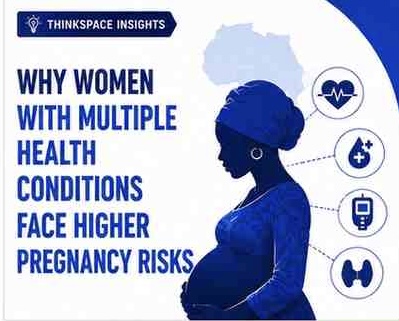
Pregnancy outcomes are influenced not only by care during pregnancy but also by a woman’s health long before conception. A recent population-based cohort study published in BJOG: An International Journal of Obstetrics & Gynaecology examines how multiple chronic conditions before pregnancy significantly increase the risk of serious maternal health complications during and after pregnancy.
The study, led by Hilary K. Brown and colleagues, analyzed pregnancy-related health outcomes among females aged 13–54 years in Ontario, Canada, between 2012 and 2021. The research focused on how preconception multiple chronic conditions (MCC), particularly complex and cardiometabolic conditions, affect emergency department visits, hospitalizations, and severe maternal morbidity or mortality during the perinatal period.
The findings reveal that maternal health risks increase significantly as the number of chronic conditions rises. Compared to individuals without pre-pregnancy chronic conditions, those with one, two, or three or more conditions experienced progressively higher risks of emergency department use, hospitalization, and severe maternal morbidity or mortality (SMM-M).
The study found that:
The risks became even more pronounced among individuals with complex MCC, defined as three or more chronic conditions affecting multiple body systems, and among those with co-occurring cardiometabolic conditions such as hypertension, diabetes, and heart-related disorders.
Notably, individuals with three or more cardiometabolic conditions had more than five times the risk of severe maternal morbidity or mortality compared to those without chronic conditions. These findings highlight the growing importance of preconception health management and integrated maternal healthcare systems.
The researchers emphasize that chronic illnesses before pregnancy are becoming increasingly common and may place additional strain on maternal healthcare services. The study suggests that multidisciplinary, patient-centered care involving obstetricians, primary care providers, cardiologists, endocrinologists, and mental health professionals may help reduce preventable complications during pregnancy and postpartum recovery.
The findings also reinforce the importance of early screening, preventive healthcare, and preconception counseling. Addressing chronic conditions before pregnancy may improve both maternal and infant health outcomes while reducing healthcare emergencies and severe complications.
ThinkSpace Insights
1. Strengthen Preconception Healthcare Services
Healthcare systems should prioritize routine screening and management of chronic conditions before pregnancy to reduce preventable maternal complications.
4. Improve Access to Preventive and Maternal Healthcare
Expanding equitable access to preventive healthcare, reproductive counseling, and maternal services can help reduce disparities in maternal morbidity and mortality.
Read Abstract via https://doi.org/10.1111/1471-0528.18104]